
Download a PDF Version of This e-Journal
Table of Contents
Special Education Legal Alert
Buzz from the Hub
Update from the U.S. Department of Education
Generative Artificial Intelligence and the Individualized Education Program
Assistive Technology Challenges in IEPs and Classroom Practice
Acknowledgements
Special Education Legal Alert
Perry A. Zirkel
June 2026
This month’s update identifies two recent decisions that respectively reflect the initial appearance of AI and the difficulties of IDEA discipline in the world of special education litigation. For related publications and special supplements, see perryzirkel.com
|
On May 14, 2026, the federal district court in Utah issued an unofficially published decision in Wilkes v. Canyons School. In this case, the school district first found a student eligible for special education in kindergarten under the IDEA classification of autism. Although the initial IEPs were successful, the child’s progress stalled in grades 3 to 5. Yet, upon the transition to middle school for grade 6, the IEP team determined, despite the parents’ objections, that he was no longer IDEA-eligible. Instead, the district provided him with a 504 plan. His decline worsened despite multiple revisions to this plan. In December of grade 6, the parents requested another IDEA evaluation, but the district refused. They also requested a functional behavioral assessment, which the district agreed, but failed, to do. In March, the parents hired an attorney, and the district assented to an IDEA evaluation. In late May, the IEP team determined that the student re-qualified under the IDEA. In August, the district held a meeting to develop the child’s IEP for grade 7, but the parents expressed dissatisfaction with the meeting’s brevity and the cursory consideration. In October, they filed for a due process hearing, alleging denial of FAPE extending back to grade 3. In March, the hearing officer issued a decision in favor of the district. In July, the parents filed an appeal with the federal district court based on multiple claims, including (1) Section 1983 for alleged violations of the Fourteenth Amendment; (2) Section 1983 for alleged violations of the IDEA, Section 504, and the Americans with Disabilities Act (ADA); and (3) the IDEA on its own. The district filed a motion to dismiss all the parents’ claims except their appeal of the hearing officer’s ruling for the two-year period within the IDEA’s statute of limitations. |
|
|
The parents argued that the district was liable under Section 1983 for violations of the Fourteenth Amendment’s due process and equal protection clauses. |
The court dismissed this claim without prejudice (meaning that they could submit a revised version) because it unduly overlapped with their claims under the IDEA and Section 504/ADA. |
|
The parents separately predicated Section 1983 claims on alleged violations of their child’s rights under the IDEA, Section 504, and the ADA. |
The court dismissed this claim with prejudice due to well-settled precedent that each of these statutes had their own comprehensive enforcement mechanisms. |
|
The district’s threshold challenge was to the notable part of the parents’ IDEA claim that was beyond the two-year limitations period (reserving the rest of their challenge for further proceedings). |
The court agreed with the district because for their statute of limitations argument the parents relied on artificial intelligence (AI)-hallucinated case citations. |
|
The court held a follow-up show-cause hearing to determine whether the parents’ use of nonexistent citations warranted sanctions. |
The court ruled that the parents’ attorney must pay $7,000 to the school district as reimbursement for legal expenses incurred as a result of the use of non-existent case law. |
|
The primary, though not exclusive, lesson from this case is to beware of the misuse of AI in legal proceedings (as well as elsewhere). |
|
|
On April 20, 2026, a federal district court in Virginia issued an unofficially published decision in Richmond City School Board v. V.B. The child in this case, V.B., was a kindergartner with a history of serious behavior problems in daycare programs. Upon enrolling her in kindergarten, V.B.’s parents notified school officials that she had ADHD, although they did not provide documentation of the diagnosis. Despite some good days and apparent progress during the first several months of the school year, V.B.’s behavior was often problematic, including spitting on others, yelling and screaming, cursing, and physical aggression. Her teacher did not report her misbehaviors to the school administration until mid-November, which resulted in notification to the parents. The school implemented various interventions, including the teacher’s color-coded behavioral system, check-ins by the school counselor and social worker, classroom breaks, and—after referral to the school-based intervention team—specific goals with related strategies. However, despite these efforts, V.B. received a one-day suspension on December 14, and on at least a weekly basis, the administration responded to her misconduct by having the parents pick her up long before the end of the school day. On January 11, the school’s child find team referred V.B. for an IDEA evaluation. The parents consented, but well before the evaluation was completed, V.B. received two more one-day suspensions. On February 28, V.B. threw the contents of her desk on the floor, refused to pick them up, and when the teacher did so, V.B. hit her in the hip with a closed fist and said “that’s what you get.” As a result, the principal issued a ten-day suspension. On the second day of the suspension, the district held a manifestation determination meeting. The team determined that the punch was retaliatory rather than impulsive, thus not being caused by V.B.’s reported ADHD. Consequently, the matter proceeded to the regular district disciplinary procedure, which was formal notice of violation of the student code of conduct and a district hearing. The resulting decision was that V.B. could return to the school at the end of the suspension but that further serious infractions would result in her assignment to another district school. However, V.B. did not return, and the parents did not cooperate with the district’s requests for them to make V.B. available for completion of the eligibility evaluation. In July, they filed for a due process hearing, with the advice of a lay advocate. After a 2-day hearing, the hearing officer ruled that the district violated the IDEA by not providing an earlier manifestation determination based on (a) the accumulated removals amounting to a disciplinary change in placement well before January 28, and (b) the “the teacher … express[ing] specific concerns about [the child’s] pattern of behavior … directly to supervisory personnel” (§ 300.534). As the remedy, she ordered an independent evaluation to determine V.B.’s eligibility under the IDEA. The district appealed these rulings to the federal district court. Despite receiving several warnings from the court, the parents, who continued to proceed without an attorney, did not respond to the district’s appeal. |
|
|
The district argued that the cumulative removals did not amount earlier to a disciplinary change in placement. |
The court deferred to the hearing officer’s factual finding and applied a general case law standard for a change in placement (ignoring § 300.536). |
|
The district contended that the hearing officer wrongly invalidated its manifestation determination of “No.” |
The court deferred to the hearing officer’s conclusions as meeting the jurisdiction’s broad standard of being “regularly made.” |
|
The district argued that the remedy was improper under the IDEA. |
Here, the court agreed, concluding that “[the district] has a statutory right to conduct those evaluations rather than independent evaluators.” |
|
This decision is rather surprising in light of the parents’ lack of cooperation for completion of the evaluation and for the proceedings in the judicial appeal, but these two disciplinary protections of the IDEA are murky and turbulent waters to navigate. |
|
Buzz from the Hub
https://www.parentcenterhub.org/buzz-may2026/
CPIR Resource Center
Have you checked out the new CPIR Resource Center? The resource center is a collection of curated tools to support families, caregivers, self-advocates or educators, by providing information about rights, services, best practices, leadership development, systems navigation and more. Make it your go-to place for materials to support informed decision-making and building strong collaborative connections.
Explore the CPIR Resource Center here.
Special Olympics Young Athletes
Special Olympics Young Athletes is a sport and play program for children with and without intellectual disabilities (ID), ages 2 to 7 years old. It has a vast library of free resources for families, including digital tools such as the Young Athletes app and in-person Young Athletes programming, that takes place in homes, in the community, and at schools.
Learn about Young Athletes here.
Supporting Your Child’s Reading at Home
Learning to read begins at home through everyday parent-child interactions, long before children attend school. The Regional Educational Laboratory (REL) Program created these Family Activities with easy-to-follow instructions and videos to help you and your child practice foundational reading skills. Using the Family Activities at home can help your child develop language, link sounds to letters, blend letters and word parts to read and write words and read for understanding.
Find the Family Activities here.
Podcast: Beyond the Bell: From Research to Real Life
NTACT:C’s podcast, Beyond the Bell: From Research to Real Life, is a monthly series that breaks down key transition topics in a clear, practical way. Each episode explores strategies to improve outcomes for students and youth with disabilities, including postsecondary education, employment, independent living, and community participation.
Listen to the podcast here.
Digital Literacy
The Arc, The Arc San Francisco, and AT&T have collaborated on a nationwide program that is bringing digital skills training to people with disabilities and their families. The trainings accommodate the different learning styles of people with disabilities.
Explore the different courses available here.
What Makes Kids Hate Themselves?
The updates from the Child Mind Institute are always informative, but today’s headline, “What Makes Kids Hate Themselves?”, stands out in particular. Many parents recognize the moment when a child says something negative about themselves after making a mistake, and it can be difficult to know how to respond.
For those who have encountered similar situations, the resources shared in this edition of the newsletter may offer helpful guidance.
Read the newsletter here.
Stepping forward, stepping back: How parents can support youth moving to adult health care
The process of moving from pediatric to adult health care involves legal and social changes. For youth with intellectual and developmental disabilities, this process often is delayed or incomplete. From sharing information and power to building new skills, this webinar will help families navigate the process of health care transition in ways that empower youth to step forward and take a leadership role in their health and care.
When: June 15, 2026 Time: 2:00 PM ET Register here.
Update from the U.S. Department of Education
Birth to Grade 12 Education-Reources
https://www.ed.gov/birth-to-grade-12-education
Available Grants
https://www.ed.gov/grants-and-programs/apply-grant/available-grants
June 3, 2026
Today, the U.S. Department of Education’s Office for Civil Rights (OCR) issued a warning letter to Jefferson County Public Schools (the District) in Colorado for its ongoing refusal to comply with Title IX of the Education Amendments of 1972.
U.S. Secretary of Education Linda McMahon Visits Vermont on Returning Education to the States Tour
June 2, 2026
Today, U.S. Secretary of Education Linda McMahon visited Vermont on her Returning Education to the States Tour. She began at the Center for Technology, Essex in Essex Junction, a career and technical education school.
June 1, 2026
Today, U.S. Secretary of Education Linda McMahon visited Massachusetts on her Returning Education to the States Tour.
U.S. Department of Education Celebrates June as Second Annual Title IX Month
June 1, 2026
Today, the U.S. Department of Education (the Department) announced that it is again recognizing June as ‘Title IX Month’ in honor of the fifty-fourth anniversary of the Educational Amendments of 1972 (Title IX).
May 29, 2026
Today, the U.S. Departments of Education (ED) and Health and Human Services (HHS) launched the School Safety Enhancement program Fiscal Year (FY) 2026 competition to bolster school safety and school infrastructure security.
May 28, 2026
Today, U.S. Department of Education Senior Advisor for Civic Education Katie Gorka visited Winthrop High School as part of the Department of Education’s national ‘History Rocks!’ Trail to Independence Tour.
“PRESIDENTIAL 1776 AWARD” SPECIAL TO BE BROADCAST TUESDAY, JUNE 30 ON CBS
May 28, 2026
The U.S. Department of Education and CBS announced today that the 1776 PRESIDENTIAL AWARD special will be broadcast Tuesday, June 30.
May 27, 2026
Yesterday, U.S. Department of Education Under Secretary of Education Nicholas Kent visited Mokulele Elementary School as part of the U.S. Department of Education’s national History Rocks! Trail to Independence Tour.
May 26, 2026
As the United States approaches its 250th birthday, the U.S. Departments of Education (ED) and Labor (DOL) issued the Fiscal Year (FY) 2026 competition for the American History and Civics – National Activities (AHC-NA) Program.
May 21, 2026
Today, the U.S. Department of Education (the Department) reached consensus on a proposed regulatory framework to advance the Trump Administration’s vision for reforming and strengthening the nation’s higher education accreditation system.
May 21, 2026
Today, the U.S. Departments of Education (ED) and Labor (DOL) announced that the agencies will make a historic, one-time investment in the Fiscal Year (FY) 2026 competition for the Strengthening Institutions Program.
May 20, 2026
Today, the U.S. Department of Education’s Office for Civil Rights initiated a directed investigation into Loudoun County Public Schools in Virginia.
U.S. Department of Education Approves Louisiana’s Returning Education to the States Waiver
May 20, 2026
Today, the U.S. Department of Education approved Louisiana’s Returning Education to the States Waiver, empowering State education officials with greater discretion over their federal education dollars.
U.S. Department of Education Announces Additional Measures to Reduce Federal Burden on States
May 19, 2026
Today, ED announced it has approved Florida and Illinois’ Ed-Flex applications, marking a record high number of 18 states now utilizing Ed-Flex authority.
U.S. Department of Education Issues Final Rule to Create New Workforce Pell Grant Program
May 18, 2026
Today, the U.S. Department of Education announced a final rule to implement the Workforce Pell Grant program created under President Trump’s historic Working Families Tax Cuts Act.
U.S. Secretary of Education Linda McMahon Visits Wisconsin on Returning Education to the States Tour
May 15, 2026
Today, U.S. Secretary of Education Linda McMahon visited Wisconsin on her Returning Education to the States Tour.
May 14, 2026
Today, U.S. Department of Education Assistant Secretary for Postsecondary Education Dr. David Barker, AR Governor Sarah Huckabee Sanders, and AR Secretary of Education Jacob Oliva visited Lakewood Elementary on the Department’s History Rocks! Tour.
May 13, 2026
The U.S. Departments of Education (ED) and Labor (DOL) today announced a major milestone in federal efforts to strengthen alignment across education and workforce systems.
Secretary McMahon Announces $144M Boost for Students with Disabilities
May 13, 2026
Today, U.S. Secretary of Education Linda McMahon announced a new $144 million investment by the Trump Administration to help states expand proven interventions that support students with disabilities.
May 12, 2026
Today, the U.S. Department of Education (ED) issued the Fiscal Year (FY) 2026 competition for the Comprehensive Centers Program, reaffirming the Trump Administration’s commitment to return education to the states.
May 11, 2026
Today, the U.S. Departments of Education (ED) and Labor (DOL) issued the Fiscal Year (FY) 2026 competition for the Career Pathways Exploration (CPE) and Teacher Quality Partnership (TQP) Programs.
May 8, 2026
Today, U.S. Department of Education Senior Advisor for Civic Education Katie Gorka visited Canyon Hills Junior High School as part of the Department of Education’s national History Rocks! Trail to Independence Tour.
May 8, 2026
Today, the U.S. Departments of Education and Health and Human Services issued the Fiscal Year 2026 competitions for the Ready to Learn Program and the Promise Neighborhoods Program.
May 8, 2026
Today, the U.S. Department of Education’s Office for Civil Rights opened an investigation into the Houston Independent School District in Houston.
May 8, 2026
Antisemitism is on the rise in K-12 schools across the country, and some school districts are seemingly tolerant of it. Today, the U.S. Department of Education’s Office for Civil Rights is opening a complaint against Bay County, Florida School District.
May 8, 2026
Today, U.S. Secretary of Education Linda McMahon visited Mat-Su Career & Tech High School in support of the Returning Education to the States Tour and Knik Charter School as part of the ‘History Rocks!’ Trail to Independence Tour.
May 7, 2026
Today, U.S. Department of Education Senior Advisor for Civic Education Katie Gorka visited Liberty Common Junior High School and Liberty Common High School as part of the Department’s national History Rocks!.
Fact Sheet: The Trump Administration is Making College More Affordable
May 6, 2026
Higher education has been one the fastest-growing expenses for American families over the past 40 years. A significant driver of skyrocketing prices has been uncapped access to federal student loans.
U.S. Department of Education Opens Title IX Investigation into Los Angeles Unified School District
May 5, 2026
The Los Angeles Unified School District appears to be protecting sexual predators at the expense of its students. Today, in response, the U.S. Department of Education’s Office for Civil Rights opened a directed investigation into the District.
May 4, 2026
Today, U.S. Department of Education Chief of Staff Madi Biedermann visited George Washington Academy as part of the Department’s national History Rocks! Trail to Independence Tour.
May 4, 2026
Today, the U.S. Department of Education’s Office for Civil Rights (OCR) opened an investigation into Smith College, one of the nation’s largest all-women’s colleges, for admitting biological men and granting them access to women-only spaces.
U.S. Department of Education Celebrates Presidential 1776 Award Regional Semifinals
May 4, 2026
The U.S. Department of Education celebrates the Presidential 1776 Award Regional Semifinals, which took place on Saturday, May 2nd, 2026.
May 1, 2026
Today, the U.S. Departments of Education (ED) and Labor (DOL) issued the Fiscal Year (FY) 2026 competition for the Competitive Grants for State Assessments (CGSA) Program.
Generative Artificial Intelligence and the Individualized Education Program
By: Sienna Bascus, Camryn Ellison, Silvia Roman, Sarah Sepe, Raena Thelwell, and Alva Ward
Abstract
Generative artificial intelligence is increasingly being used in special education to assist with IEP goal development, data synthesis, and related compliance tasks. This literature review examines recent research on generative AI in the development, implementation, and evaluation of IEPs. Across studies, two themes recur: increased efficiency and structured support for educators. Findings suggest that AI-assisted tools may improve goal quality for less experienced teachers and broaden goal coverage in some preschool contexts, while experienced teachers often produce goals of comparable quality with or without AI support. The literature also identifies significant risks, including reduced individualization, overreliance, bias, privacy concerns, and uncertainty regarding legal and ethical compliance. Overall, current evidence supports generative AI as a support tool rather than a substitute for educator expertise. Human oversight, careful review, and clear implementation of safeguards remain essential.
Introduction
The use of generative AI in special education contexts is growing, particularly in data analysis, lesson planning, and the creation of Individualized Education Programs (IEPs). Generative AI has been proposed as a support tool within special education to help teachers synthesize vast amounts of student data, create quantifiable goals, and enhance the effectiveness of documentation procedures. According to recent studies, generative AI tools like ChatGPT are increasingly being used to help both novice and experienced teachers create IEP goals and match them to the needs of their students. These developments suggest that generative AI may support complex tasks and reduce administrative burden on special education teachers.
However, the application of generative AI raises serious concerns related to accuracy, ethical responsibility, and the integrity of IEP implementation, notwithstanding its potential. Research on AI-generated IEP goals shows that although these tools can provide measurable, structured goals, there is variation in the goals’ appropriateness, quality, and individualization. Additionally, overreliance on generative AI systems could result in programming that is too general and does not sufficiently account for the special needs of students with disabilities. These problems make generative AI in special education a developing at-risk area, especially when technology is applied without adequate supervision, training, or critical assessment.
Generative AI has become relevant to the development and implementation of IEPs since these procedures require accurate, customized, and legally compliant documentation. According to the Individuals with Disabilities Education Act (IDEA), IEPs must be customized to meet the unique needs of each student and include precise, quantifiable goals as well as regular progress tracking. There are dangers and opportunities associated with integrating AI into this process. While generative AI may support data organization and goal framework suggestions, its inappropriate use could jeopardize the integrity and fidelity of IEPs, ultimately affecting student outcomes. The importance of ensuring that generated goals remain developmentally appropriate and aligned with evidence-based practices is further highlighted by research investigating generative AI integration in preschool and K–12 settings.
This literature review examines generative AI’s function in special education, with a particular emphasis on its application in the development, implementation, and evaluation of IEPs. This review evaluates the advantages and disadvantages of these tools, as well as the factors influencing their adoption among educators, by combining the most recent research on generative AI-assisted practices. This review also aims to emphasize the consequences for educators, educational systems, and students with disabilities, as well as to identify potential concerns related to the usage of generative AI. To guarantee that developing technologies are applied in ways that improve rather than impair the caliber and efficacy of special education services, it is essential to understand these dynamics.
Opportunities and Promising Uses of Generative AI in Special Education
This section examines how the literature evaluates the ways generative AI may support special education contexts, with particular attention to IEP development, administrative practice, and instructional decision-making. Several studies suggest that generative AI may support special education practice by addressing two of its most persistent and interconnected challenges: the burden of documentation and the quality of developing Individualized Education Programs. Taken together, the literature indicates a consistent pattern that generative AI tools may meaningfully reduce educator workloads. When used intentionally and with professional oversight, generative AI tools may also strengthen the quality of support designed for students with disabilities.
One of the most direct areas of promise involves developing IEP goals. Rakap (2024) examined the use of ChatGPT among novice special education teachers tasked with writing IEP goals for students with autism. Using a randomized design and the Revised IEP/IFSP Goals and Objective Rating Instrument (R-GORI) as an outcome measure, the study found that teachers in the ChatGPT condition produced goals of significantly higher quality while spending significantly less time on the task than peers in the control group. Notably, the goals generated with AI assistance were more comprehensive, addressing specific student strengths and needs rather than defaulting to generic language. This finding matters because it suggests that generative AI may improve efficiency without reducing individualization. Individualization costs can be a concern in special education because legal compliance requires that goals reflect each student’s unique present levels of performance. Critically, the benefit was present regardless of whether participants had received prior formal training in IEP development, which suggests that generative AI may function as a meaningful equalizer for educators who enter the field with less preparation in this high-stakes skill.
Along with these findings suggesting potential improvements in goal quality, generative AI may also broaden the developmental range of goals produced. Rakap and Balikci (2026) extended this line of inquiry to preschool-age children with autism, and their study found that teachers who used ChatGPT produced goals with statistically higher quality ratings than a comparison group who did not. An additional pattern emerged in the distribution of goal domains: the control group’s goals concentrated on preacademic skills and behavior, whereas the ChatGPT group’s goals addressed a broader range of developmental areas. This broader range includes communication, social skills, motor and sensory development, and self-care. This finding is important because it suggests generative AI may prompt educators to consider domains they might otherwise overlook under time pressure. Thus, generative AI may produce more holistic and legally compliant IEPs. Despite this potential, the authors described their study as preliminary, and the small sample size warrants caution in generalizing these findings to broader populations or disability categories.
Research indicates that generative AI tools may also assist educators in navigating the structural demands of IEP compliance without diminishing goal quality at the experienced-teacher level. Waterfield et al. (2026) conducted a convergent mixed-methods study with experienced special educators across multiple states, comparing the quality of IEP goals written independently to those produced with ChatGPT assistance. While quantitative analysis revealed no statistically significant difference in rated goal quality between the two conditions, qualitative data indicated that participating teachers held predominantly positive perceptions of generative AI as a tool for managing their workload. This absence of a quality difference is meaningful because it implies that for experienced educators, AI does not degrade the standard of their work. Rather, it redistributes their cognitive effort. When teachers are not spending limited planning time generating sentence structure and goal formatting from scratch, they have more capacity to apply their professional judgment to the substantive decisions that require it: interpreting assessment data, weighing student preferences, coordinating with families, and monitoring implementation. This finding, as well as Rakap’s (2024), suggests generative AI’s benefit may be most striking for those with the least preparation and least disruptive for those with the most, which provides a distribution that has equity implications across the field.
Beyond IEP goal writing, generative AI may also support the broader administrative infrastructure within which IEPs are developed and monitored. Marino and Vasquez (2024) presented an exploratory mixed-methods case study in which special education administrators utilized a generative pre-trained transformer with specific “data analyst” functions within a generative AI platform to synthesize large and disparate student data sets. What had previously constituted a three-month administrative project involving the integration of case manager records for hundreds of students was completed in just three days. The generative AI synthesized the data and generated a narrative summary supporting graphics that administrators then used to inform staffing decisions and resource allocation. This finding extends the conversation about generative AI in special education beyond the individual teacher and the IEP document. If generative AI can support administrators in making data-driven decisions about caseloads, resource distribution, and compliance monitoring at scale, then its utility may be felt indirectly but substantively at the student level through better-resourced and better-supported classrooms. Marino and Vasquez (2024) acknowledged, however, that challenges using AI-generated outputs can include data consistency, staff training, and administrator familiarity, which require solutions before reliably implementing generative AI at a district level.
Collectively, these findings suggest that generative AI’s most defensible promise in special education is a support function. Generative AI is a tool that amplifies educator capacity in specific, bounded tasks rather than displacing the professional judgment that is both legally and ethically required. The literature reviewed here does not support the conclusion that generative AI should operate autonomously in IEP development or administrative decision-making. Rather, it supports the more modest but practically significant claim that generative AI may help educators work more efficiently without reducing, and in some cases improving, the quality of individualized planning for students with disabilities when implemented under appropriate conditions. The conditions in which the literature reports benefits matter considerably: structured prompting, AI literacy, human review, and institutional support appear consistently across studies as factors that mediate whether generative AI use produces meaningful gains or introduces new risks. These conditions can serve as contextual examples to responsibly incorporate generative AI into special education.
Risks, Limitations, and At-Risk Areas
Despite these promising applications, the literature identifies several significant risks and limitations in AI-assisted IEP development and special education practice. These concerns include reduced individualization, overreliance, and diminished educator engagement with students’ needs.
In 2025, Waterfield et al. conducted a study that compared IEPs written by human educators to those created by the AI platform ChatGPT. The study reported that although these AI-generated goals were well structured and useful as a starting point, they lacked the professional judgment required in educational decision-making. Because AI-generated content is created strictly from written prompts rather than full-range information that human educators gather (observations, familial input, student relationships), it cannot capture the full depth of information required. The result is an IEP with generalized, generic language which can be widely applied to nearly any student. Generative AI doesn’t “know” any of the students that it’s producing IEPs for; it can only produce from the information it’s given. Documented data alone are insufficient for developing a strong IEP; contextual and relational information also matter. Relevant considerations may include family context, cultural factors, and variation in student behavior across instructional settings. Most of these behavioral nuances are typically understood through observations from teachers or families and are sometimes hard to put into words to get an accurate generative AI-written IEP in response; this is a major limitation.
It’s important, Naatz & Ruppar (2026) say, for educators to always keep in mind that AI should not be seen as a time-saving tool rather than a resource to enhance teachers’ skills in helping support students with disabilities. However, this mentality is often not the case, Naatz & Ruppar argue. It’s easy to get carried away when using generative AI and cognitively check out; you type in a prompt, and the generative tool produces a masterfully written IEP plan. As educators, it’s so important to ensure that professional judgment and human oversight in teaching and decision-making remain, because they are the ones responsible for addressing any possible errors, biases, or inequalities that are embedded into the technology. When trained on unbalanced, unrepresentative, or stereotypical data, generative AI can feed off this and produce discriminatory responses. If left unchecked, which very well could happen if educators become too trusting and over-reliant on these generative AI tools, this type of stereotypical, misinformed data could end up in a child’s IEP.
To summarize, the use of generative AI in the generation of IEPs introduces both significant opportunities and limitations. While it can increase efficiency and support organization, it also raises major concerns related to individualization, bias, and overreliance. These risks and limitations emphasize the importance of maintaining professional judgment and human oversight in special education, where educators must evaluate their students based on both qualitative and quantitative data. These educators must also be ready to critically evaluate the AI-generated responses to ensure that IEPs remain accurate and supportive to the unique needs of every student.
Legal, Ethical, and Compliance Considerations
The risks, limitations, and at-risk areas highlight concerns that extend beyond instructional quality and into legal and ethical responsibilities. IEPs are legally binding documents governed by federal law. Issues such as lack of individualization, bias, and overreliance on generative AI raise important questions about compliance, student rights, and, most importantly, data protection. Legal guidelines, privacy, ethical considerations, and accuracy remain unclear. Although federal laws protect students and families, it is still necessary to examine how the use of generative AI tools aligns with legal standards and ethical expectations in special education.
Legal guidelines and potential ramifications of using generative AI tools in the special education classroom, especially for writing Individualized Education Plans (IEPs), remain unclear. The Individuals with Disabilities Education Act (IDEA) requires that every student’s IEP be individualized, based on their current performance, and designed with clear, measurable goals. While generative AI tools may support the organization and structure of an IEP, these tools cannot capture the full picture of a student. Generative AI systems often rely on patterns from large datasets, leading to generalized responses. This becomes a major problem when the law requires individualized educational planning. For IEPs to be student-centered, both the knowledge of the student and the expertise of education professionals are essential. Generative AI tools do not know the students. Therefore, it is crucial for teachers to rely on student data to guide the creation of IEPs. If AI-generated content is used, teachers must review and revise it to ensure it accurately reflects the student and meets legal standards.
As generative AI tools become easier to access, more educators may be tempted to input student information into these tools, compromising the privacy of students and families. Most generative AI tools are not designed with educational privacy laws in mind. Therefore, sensitive information such as disability status, academic performance, or behavioral data can be exposed when entered unsecured systems. As noted above, laws such as FERPA and IDEA are intended to protect this information from unauthorized disclosure; however, many generative AI tools operate outside school-controlled environments and may lack these guardrails. Research has shown that even when systems seem secure, identifying information can still slip through (Marino & Vasquez, 2024). On top of that, there is often very little transparency about how long data is stored or who can access it (Naatz & Ruppar, 2026). Because of these risks, educators must exercise caution when using generative AI tools to support IEP writing.
In addition to privacy, ethical concerns also come into play, especially because IEP development is not just a technical task but a collaborative effort involving multiple professionals and sources of information. Teachers rely on more than just data to develop an IEP. They consider family input, cultural context, behavior patterns, social-emotional needs, and if applicable, input from related service staff. Generative AI cannot fully account for these things. When educators rely too heavily on generative AI, there is a risk that their professional judgment takes a back seat (Naatz & Ruppar, 2026). That is where problems can arise. There is also the issue of bias. Generative AI systems are trained on existing data, and if that data contains bias, those same biases can appear in AI-generated recommendations (Waterfield et al., 2026). This is why the research consistently stresses that generative AI should support teachers, not merely replace them. Educators are still responsible for reviewing, questioning, and refining anything generative AI produces (Rakap & Balikci, 2026).
There are also important legal considerations related to parent and student rights. IDEA gives families a voice in the IEP process. These rights allow them to participate, give consent, and challenge decisions if needed. If generative AI is used behind the scenes without clear communication, that transparency starts to break down. For example, if a parent asks how a goal was developed and the teacher cannot clearly explain it because generative AI was used, that may create confusion or mistrust. This becomes even more serious in situations involving disputes or due process. Overall, decisions must be based on data, observations, and professional reasoning. Teachers must be able to explain and carry out goals and plans for IEPs. That is why professional expertise must remain at the center of every decision.
Educators must remember that IEPs are legally binding documents, so the details matter. Even though AI-generated text often looks polished, it may still be incorrect or inappropriate for a specific student. In some cases, the language may be too vague or not fully aligned with actual assessment data (Waterfield et al., 2026). In addition to accuracy, generative AI doesn’t show its reasoning in a clear, traceable way. If a decision is ever questioned, it can be difficult to explain how that output was created. Because of this, teachers must carefully review everything, ensuring it aligns with real student data and can be defended if needed (Rakap, 2024).
Generative AI is a tool that should be used within clear parameters and with care. Current research supports using generative AI as a starting point, not a final product. It can help with drafting, organizing ideas, or structuring goals, but it should never be used to make final decisions about placement, services, or outcomes. Those decisions require professional expertise and an understanding of the law. Studies continue to emphasize the importance of training, clear guidelines, and ongoing oversight to make sure generative AI is used appropriately (Rakap & Balikci, 2026; Marino & Vasquez, 2024).
Generative AI can be helpful, but it cannot replace the role of the educator. Legal compliance, ethical responsibility, and student-centered decision-making all depend on active professional involvement. Generative AI can function as a support tool, and it is important that educators do not use it as a decision-maker (Waterfield et al., 2026; Rakap, 2024). When used thoughtfully and responsibly, it may improve efficiency. But without careful oversight, it can also create serious legal and ethical issues in special education.
Synthesis and Practitioner Perspectives
When synthesized across studies, the literature indicates that generative AI is most useful in special education when it is used as a support tool rather than a replacement for teacher expertise. Across the research, a clear pattern shows that generative AI may improve efficiency and provide structure, especially for IEP goal writing and organizing student data. At the same time, concerns about accuracy, over-reliance, and maintaining individualization are consistently noted. This shows that the impact of generative AI depends on how it is used in practice.
Across studies, the benefits are most noticeable for teachers who need more support with developing IEP goals. Research shows that beginner teachers produced higher-quality goals when using generative AI, while experienced teachers produced goals of similar quality with or without generative AI support (Rakap, 2024; Waterfield et al., 2026). This suggests that generative AI may assist less experienced teachers in turning present levels into measurable and individualized goals. However, the literature also makes it clear that AI-generated goals can become too general if they are not carefully reviewed, which can take away from the individualized focus required under IDEA.
From a practitioner perspective, these findings suggest that generative AI should be used as a starting point rather than a final product. Teachers and IEP teams can use it to support drafting, organizing information, and generating ideas, but they remain responsible for ensuring that goals are aligned with student data and are developmentally appropriate. At the school and district level, research supports cautious implementation, particularly around data accuracy, staff training, and ethical use (Marino & Vasquez, 2024; Naatz & Ruppar, 2026). Overall, the literature indicates the importance of maintaining professional judgment and clear expectations for use so that IEPs remain individualized and legally compliant.
Conclusion
The literature supports not an expansive, but a measured claim about generative artificial intelligence in special education. As such, generative AI is best interpreted as a bounded support tool, not a broad solution. Its primary usefulness in IEP development is in organizing information and drafting goals. This can reduce the documentation burden tied to compliance tasks. These benefits appear strongest for educators who need additional support in translating present levels into clear, measurable, individualized annual goals and are stronger for less experienced educators. With more experienced educators, generative AI-assisted goals are often comparable to independently written goals, and there is no evidence of consistent superiority. The literature also suggests that developmental context matters. Findings vary by setting and age group. Early childhood studies reveal broader developmental coverage, with greater attention to communication, self-care, and motor/sensory domains. As important as what the literature supports is what it does not support. It does not support generative AI as an autonomous decision maker, as a replacement for educator judgment, nor as a final authority in IEP development or implementation. Concerns throughout the studies include overreliance, reduced individualization, bias, privacy, data quality, and legal compliance. The strongest defensible position of generative AI at this moment is that it may improve efficiency; it may provide structural support, but both benefits depend on the conditions under which the tool is used. While current research is still limited and unable to support broad claims yet, now is the time to create safeguards and necessary conditions for use. These non-negotiables include trained professional review of all outputs, careful handling of student-specific data, legal and ethical safeguards, and ongoing human oversight. Future research requires more disability categories, more age groups, more school settings, and attention to implementation fidelity, decision-making quality, and student outcomes. Generative AI can be effectively used as a support mechanism in a judgment-intensive process. It is not a substitute for individualized obligations in special education. It is not a substitute for educator expertise.
References
Marino, M. T., & Vasquez, E., III. (2024). Special education administrators use of artificial intelligence (AI) to synthesize data. Journal of Special Education Leadership, 37(2), 62-76. https://files.eric.ed.gov/fulltext/EJ1441836.pdf
Naatz, A. J., & Ruppar, A. (2026). Special education teachers’ use of generative artificial intelligence (AI): An exploratory survey of frequency and factors influencing adoption. Journal of Special Education Technology, 41(2). https://doi.org/10.1177/01626434251379800
Rakap, S. (2024). Chatting with GPT: Enhancing individualized education program goal development for novice special education teachers. Journal of Special Education Technology, 39(3), 339-348. https://doi.org/10.1177/01626434231211295
Rakap, S., & Balikci, S. (2026). Enhancing IEP goal development for preschoolers with autism: A preliminary study on ChatGPT integration. Journal of Autism and Developmental Disorders, 56(4), 1682-1687. https://doi.org/10.1007/s10803-024-06343-0
Waterfield, D. A., Coleman, O. F., Welker, N. P., Kennedy, M. J., McDonald, S. D., & Cook, B. G. (2026). IEPs in the age of AI: Examining IEP goals written with and without ChatGPT. Journal of Special Education Technology, 41(1), 57-71. https://doi.org/10.1177/01626434251324592
Assistive Technology Challenges in IEPs and Classroom Practice
By Melissa Cella-Perez, Rebecca Martinez, Sulay Palenque, Melissa Placido, and Michelle Prenat
Literature Review
Assistive technology (AT) is an essential component of equitable special education practice, offering students with disabilities increased access to instruction, communication, and participation. When implemented appropriately, AT can reduce academic barriers, support independence, and promote inclusion across a range of educational settings. Despite its potential, research consistently shows that AT is not always considered, selected, or used in ways that align with best practices. Instead, students often encounter fragmented systems where AT is overlooked during Individualized Education Program (IEP) meetings, implemented inconsistently, or limited by outdated devices and inequitable access. These gaps increase the risk that students with disabilities will not receive the full benefits of technologies designed to support their learning.
Understanding these at-risk areas is critical because AT decision-making does not
occur in isolation; it reflects broader systemic issues related to teacher training, resource
allocation, school-wide accessibility policies, and the level of collaboration among
educators, families, and specialists. When AT is not discussed during IEP development,
when educators are unsure how to use devices with fidelity, or when families lack
training to support communication tools at home, students experience missed
opportunities that affect their academic and social progress. Therefore, a review of the
literature is needed to examine the challenges that continue to limit AT’s effectiveness in
schools and identify the factors that place students at risk for receiving inadequate support.
This literature review synthesizes research on five interconnected challenges: (1)
assistive technology not being considered during IEP meetings, (2) reliance on outdated
or inappropriate technology, (3) inequitable access to AT across schools and districts, (4)
teacher and parent training needs, and (5) implementation fidelity concerns. In addition,
our group’s professional experiences: as educators, ESE liaisons, and Registered
Behavior Technicians (RBTs) provide real-world insight into how these challenges
manifest within school systems. By integrating research with practitioner perspectives,
this review highlights the systemic issues that hinder effective AT use and identifies
recommendations for improving access, training, and implementation across educational
environments.
AT not Considered during IEPs
Although the Individuals with Disabilities Education Act (IDEA) requires
IEP teams to consider AT for every student with a disability, research shows that this step
is not consistently implemented. In their systematic review, Fernández-Batanero et al.
(2022) found that AT is widely recognized as beneficial for improving accessibility,
participation, and overall inclusion, yet its use in schools remains inconsistent. Their
analysis shows that AT is often not embedded into routine educational planning,
including the processes of IEP development, despite its documented potential to support
academic engagement and independence.
The authors note that many schools lack structured procedures to help IEP teams
identify and discuss AT options, This absence contributes to uneven decision-making,
resulting in AT being overlooked when teams evaluate student needs. Although AT has
the potential to enhance learning and expand participation, the studies reviewed by
Fernández-Batanero et al. (2022) reveal that it is frequently omitted from planning
conversations, suggesting that AT consideration is not yet a systematic or intentional part
of the IEP development.
Our group’s professional experiences closely reflect these findings. Across our
roles as general education teachers, special educators, and RBTs, we have participated in
numerous IEP meetings where AT is rarely discussed. Typically, discussions focus
heavily on accommodations, behavioral supports, or service minutes. AT, however, is
often absent from the conversation. These real-world observations align with the patterns
identified by Fernández-Batanero et al. (2022), who emphasize that AT continues to be
underutilized despite its demonstrated benefits.
Together, the research and our collective experiences suggest a critical issue: AT
consideration is not yet a consistent or embedded component of IEP meetings in many
educational settings. When AT is not discussed, students may miss opportunities to
receive tools that could enhance learning, communication, and promote independence.
Ensuring meaningful AT consideration during IEP development is therefore a key step in
improving equitable access that supports and promotes inclusion.
Outdated/Inappropriate
Technology integration in K–12 special education (SPED) is both an equity
concern and a financial challenge, as many schools lack the resources to provide up-to-
date AT that aligns with students’ individualized needs. Although AT is intended to
enhance access and promote learning, students frequently encounter devices that are
outdated, unreliable, or poorly matched to their disability-related needs. Starks and Reich
(2022) found that budget limitations and inequitable resource allocation significantly
restrict the availability of appropriate AT in schools, often forcing teachers to rely on
general-purpose technologies that do not fully support accessibility. These systemic
barriers highlight a mismatch between what AT is designed to provide and what students
actually receive in practice.
The findings from Starks and Reich (2022) further illustrate how these resource
limitations affect everyday practice. In their study, 65% of teachers reported inadequate
student access to devices, Additionally, 90% of participants reported insufficient
technology focused training, contributing to SPED teachers feeling “left out” of district-
level technology planning and decision-making. When educators lack both updated tools
and the support needed to use them effectively, reliance on outdated or generic devices
becomes the default.
Collectively, these challenges restrict students’ opportunities to engage with AT
tools that support communication, independence, and participation. Outdated or poorly
matched technology not only limits access to curriculum but also undermines efforts to
design inclusive learning environments. The literature underscores the need for more
equitable resource distribution, specialized professional development, and sustainable
funding structures to ensure that SPED classrooms have AT that is current, functional,
and responsive to student needs.
Equity and Access
Equitable access to AT remains a persistent challenge in special education, as
resources, training, and policy implementation vary widely across districts. Even when
AT is included in policy language, students’ actual access to devices and support often
depends on local priorities and funding decisions. In a multiple case study of U.S. school districts, Shaheen (2022) found that students’ access to accessible and assistive
technologies was strongly influenced by how districts interpreted and enforced
accessibility requirements. Although federal law mandates equitable access, Shaheen’s
findings show that implementation is uneven, resulting in significant disparities in the
availability and quality of AT across educational settings.
A recurring challenge involves gaps in teacher knowledge and misconceptions
about what qualifies as AT. Many educators assume that AT refers only to high-tech
tools, which leads to the underuse of low-tech supports, such as graphic organizers, visual
schedules, timers, or adapted materials, that fall squarely under IDEA’s definition of
assistive technology. When teachers overlook these tools, they also overlook
opportunities to support student learning with easily accessible, low-cost options. These
misconceptions contribute to inconsistent AT documentation in IEPs and missed
opportunities to integrate AT into classroom routines.
Shaheen’s (2022) research underscores that equity in AT access is shaped by three
interconnected factors: district funding decisions, educator preparation, and the level of
commitment to enforcing accessibility policies. Improving equity will require districts to
establish clear procedures for AT evaluation, prioritize ongoing professional
development, and implement stable funding systems that support timely access to
appropriate devices. When educators have both the tools and the knowledge needed to
use AT effectively, schools can provide more consistent and equitable support that
enhances learning for students with disabilities.
Teacher/Parent Training
AT and augmentative and alternative communication (AAC) play a critical role
in supporting students with disabilities by expanding their access to instruction and
enhancing communication. Understanding how these tools are used in classrooms and at
home is essential, particularly because their effectiveness depends heavily on the adults
who support them. Research shows that when teachers and families receive appropriate
training, students who rely on AT or AAC demonstrate stronger communication,
participation, and academic progress.
Hansen and Donne (2025) examined how special education teachers incorporate
AT into classroom practice, finding that although many educators feel confident using
basic technologies, they often lack formal training and ongoing support. Teachers
reported frequent use of universal tools; such as touchscreens, keyboards, and basic
computer accessories, but far less comfort with specialized AT, including AAC systems,
adaptive switches, and eye-gaze technology. Despite nearly two-thirds of participants
having students who relied on AAC, many indicated a need for additional professional
development and more consistent guidance from AT coordinators or specialists. These
findings suggest that limited training creates gaps between students’ needs and teachers’
comfort or expertise in using advanced AT tools.
While Hansen and Donne (2025) focused on school-based implementation, Soto
and Vega (2024) explored how families are prepared to support AAC at home. Their
review of caregiver training programs identified several competencies that improve
children’s communication outcomes, such as responsivity, setting up the environment to
encourage interaction, using wait time, modeling language through AAC, providing
prompts, and recasting or expanding children’s communicative attempts. However, Soto
and Vega (2024) found that many parents receive minimal training and often feel
overwhelmed by the responsibility of managing complex communication systems on
their own. The authors emphasized the importance of strong home–school collaboration
to help children transfer communication skills across settings.
Together, these studies highlight that teacher and parent training are essential
components of effective AT and AAC use. When educators and caregivers lack
structured preparation, coaching, and ongoing support, students have fewer opportunities
to practice communication skills or apply AT tools meaningfully. Improving training
requires targeted professional development, clear and accessible family training
programs, and consistent collaboration among teachers, therapists, and families. When
the adults who support a child are confident and well-prepared, assistive technology can
lead to significant gains in communication, engagement, and academic success.
Fidelity
High-fidelity implementation of AT is critical for ensuring that students receive
the full benefit of the tools provided to support communication, learning, and
participation. Fidelity refers to how accurately and consistently educators embed AT into
daily instruction; modeling device use, integrating it across activities, and individualizing
the system to meet student needs. Even when AT is available, inconsistent or partial use
can significantly limit its impact.
Evmenova et al. (2022) examined how schools move from initial adoption of
technology to sustained, high-quality implementation, offering insights that align closely
with fidelity challenges in AT. Their findings show that educators are more likely to use
technology with fidelity when they have structured opportunities to practice, receive
feedback, and reflect on implementation. Without these supports, technology use
becomes irregular or superficial, reducing the likelihood that students will engage with
AT consistently throughout the school day.
A key contribution from Evmenova et al. (2022) is the emphasis on ongoing
coaching rather than one-time training. Their research indicates that fidelity improves
when teachers receive continuous guidance that helps them integrate technology into
existing instructional routines. This process builds the confidence and fluency necessary
to use AT naturally and effectively, rather than viewing it as an additional or isolated
task. For AT specifically, this means embedding device use in authentic communication
opportunities, modeling vocabulary, and providing students with repeated practice across
contexts.
Importantly, the work of Evmenova et al. (2022) positions fidelity as a systems-
level component of effective technology use. High-fidelity implementation requires clear
expectations, time to collaborate with specialists, and consistent opportunities for skill
development. When these elements are in place, AT is more likely to be used as intended;
supporting communication, increasing student engagement, and strengthening access to
Instruction.
Across the literature, it is evident that AT can significantly improve
communication, participation, and learning for students with disabilities, yet many
barriers prevent its full impact. AT is not always considered during IEP meetings, and
when devices are provided, they are often used inconsistently or with limited fidelity.
Inequitable access, outdated equipment, and gaps in teacher understanding further
complicate the effective use of AT in classrooms. Families also need clearer training and
support to help students generalize communication skills beyond school. Together, these
challenges highlight the systemic nature of AT implementation and the multiple points at
which support can break down.
These findings underscore the need for stronger structures that prioritize
accessibility and consistency. Schools must ensure meaningful AT consideration during
IEP development, invest in sustained and high-quality professional development,
maintain reliable funding systems that allow for updated and appropriate AT devices.
Strengthening collaboration among teachers, therapists, specialists, and caregivers is
essential so that students receive consistent support across home and school
environments. When these elements are in place, AT is more likely to be used as
intended; functioning as a powerful tool for inclusion and helping students participate
more fully, communicate more effectively, and engage confidently in their educational
environments.
References
Evmenova, A. S., Regan, K. S., Schladant, M., Hall, T. E., Buzhardt, J., Erickson, K. A., Ai, J., Sudduth, C., & Jackson, T. (2022). Stepping-Up Technology Implementation—How Does it Happen? Journal of Special Education Technology, 38(1), 61–74. https://doi.org/10.1177/01626434221074357
Fernández-Batanero, J. M., Montenegro-Rueda, M., Fernández-Cerero, J., & García-Martínez, I. (2022). Assistive technology for the inclusion of students withdisabilities: a systematic review. Educational Technology Research andDevelopment, 70(5), 1911–1930. https://doi.org/10.1007/s11423-022-10127-7
Hansen, M. A., & Donne, V. (2025). Special education teachers’ post-pandemic use of assistive technology. Disability and Rehabilitation: Assistive Technology, 1–17. https://doi.org/10.1080/17483107.2025.2584414
Shaheen, N. L. (2022). Technology accessibility: How U.S. K–12 schools are enacting policy and addressing the equity imperative. Computers & Education, 179, 104414. https://doi.org/10.1016/j.compedu.2021.104414
Starks, A. C., & Reich, S. M. (2022). “What about special ed?“: Barriers and enablers for
teaching with technology in special education. Computers & Education, 193, 104665. https://doi.org/10.1016/j.compedu.2022.104665
Soto, G., & Vega, J. (2024). Exploring core competencies for language facilitation in parent training programs in AAC. Disability and Rehabilitation: Assistive Technology, 20(4), 1035–1043. https://doi.org/10.1080/17483107.2024.2429687
Acknowledgements
Portions of this or previous month’s NASET’s Special Educator e-Journal were excerpted from:
- Center for Parent Information and Resources
- Committee on Education and the Workforce
- FirstGov.gov-The Official U.S. Government Web Portal
- Journal of the American Academy of Special Education Professionals (JAASEP)
- National Collaborative on Workforce and Disability for Youth
- National Institute of Health
- National Organization on Disability
- Substance Abuse and Mental Health Services Administration
- U.S. Department of Education
- U.S. Department of Education-The Achiever
- U.S. Department of Education-The Education Innovator
- U.S. Department of Health and Human Services
- U.S. Department of Labor
- U.S. Food and Drug Administration
- U.S. Office of Special Education
The National Association of Special Education Teachers (NASET) thanks all of the above for the information provided for this or prior editions of the Special Educator e-Journal
Sarah S. Ayala, LSU | Associate Editor, NASET e-Journal
Download a PDF Version of This e-Journal
This content is sponsored by the Tourette Association of America.
Founded in 1972, the TAA has worked tirelessly for the past 50+ years to support the Tourette Syndrome and Tic Disorder community.
The mission of the Tourette Association of America (TAA) is to provide help and hope to those affected by Tourette Syndrome, Tic Disorders and associated conditions through Awareness, Research, and Support. With typical onset of Tic Disorders occurring between the ages of 5-8, the TAA works hand-in-hand with parents, educators, and schools to provide support for our community.
- We raise awareness and FOSTER SOCIAL ACCEPTANCE through education and robust social media campaigns.
- We INVEST IN RESEARCH that will advance scientific understanding, treatment options and care. Over $22 million has been awarded to over 450 research projects across 16 countries.
- We EDUCATE PROFESSIONALS to better serve the needs of children, adults and families challenged by Tourette and Tic Disorders. Over 450,000 health care providers, school personnel, families, individuals and members of the general public have been reached through in-person and online trainings.
- We PROVIDE SUPPORT, HOPE AND HELP through our network across the nation. We host virtual and in-person discovery and learning sessions, support groups for a variety of ages, and maintain a library resources in various different languages to distribute and raise understanding.
- We EMPOWER THE COMMUNITY to advocate for the most pressing issues facing the TS community. Over 1,000 Youth Ambassadors and their team members have been trained to educate their peers, adults, and government officials about TS. In addition, hundreds of congressional meetings are held annually with local representatives to lobby for continued funding and support for TS.
This content is sponsored by Flourishing Well
Flourishing Well
Educational Consulting, Special Education Advocacy, and Pedagogical Mentorship
At Flourishing Well, I work alongside families and collaborate with educators to translate evaluations, recommendations, and observations into clear, actionable educational support.
Because behind every 504 Plan, IEP, or learning profile is a student who deserves to be known, seen, and meaningfully supported—academically, behaviorally, socially, and emotionally.
My work is grounded in more than three decades as a career-long educator across public and independent school settings, bringing together educational expertise, systems-level understanding, and a deeply individualized approach to student support. I help families and school teams move beyond confusion and overwhelm toward clarity, alignment, and sustainable educational planning.
Services Include
- Educational consulting for complex and nuanced learning profiles
- 504 Plan and IEP guidance, advocacy, and strategic support
- Interpretation of psychoeducational evaluations and recommendations
- Student-centered planning for academic, behavioral, social, and emotional needs
- Collaboration with school teams to strengthen communication and implementation
- Ongoing guidance for families navigating educational decision-making
Mentorship for Educators
Today’s classrooms require educators to hold increasing levels of complexity—balancing curriculum demands, student needs, behavioral dynamics, and emotional wellbeing, often simultaneously.
With more than 30 years of experience as a special educator and educational leader, I provide mentorship and pedagogical support for educators seeking thoughtful, sustainable approaches to teaching and learning. My work helps educators refine observation, strengthen instructional alignment, and better understand what students may be communicating through behavior, regulation, engagement, and learning patterns.
The goal is not simply improved academic performance, but more attuned, responsive educational environments in which both students and educators can flourish.


This content is sponsored by Southpaw.
We’re not all left-handed, but we do take a different approach to business. We’re all about creative solutions, information and advice – not mass distribution of the latest gadget. Since our founding in 1978, Southpaw has been dedicated to developing and manufacturing sensory integration dysfunction and neurodevelopmental products to help therapeutic professionals, people with special needs, their families and other professionals solve problems and overcome challenges. We are committed to offer education, insight and resources for learning about neurodevelopmental disorders and will continue to partner with therapists to provide the absolute best products based on clinical need.

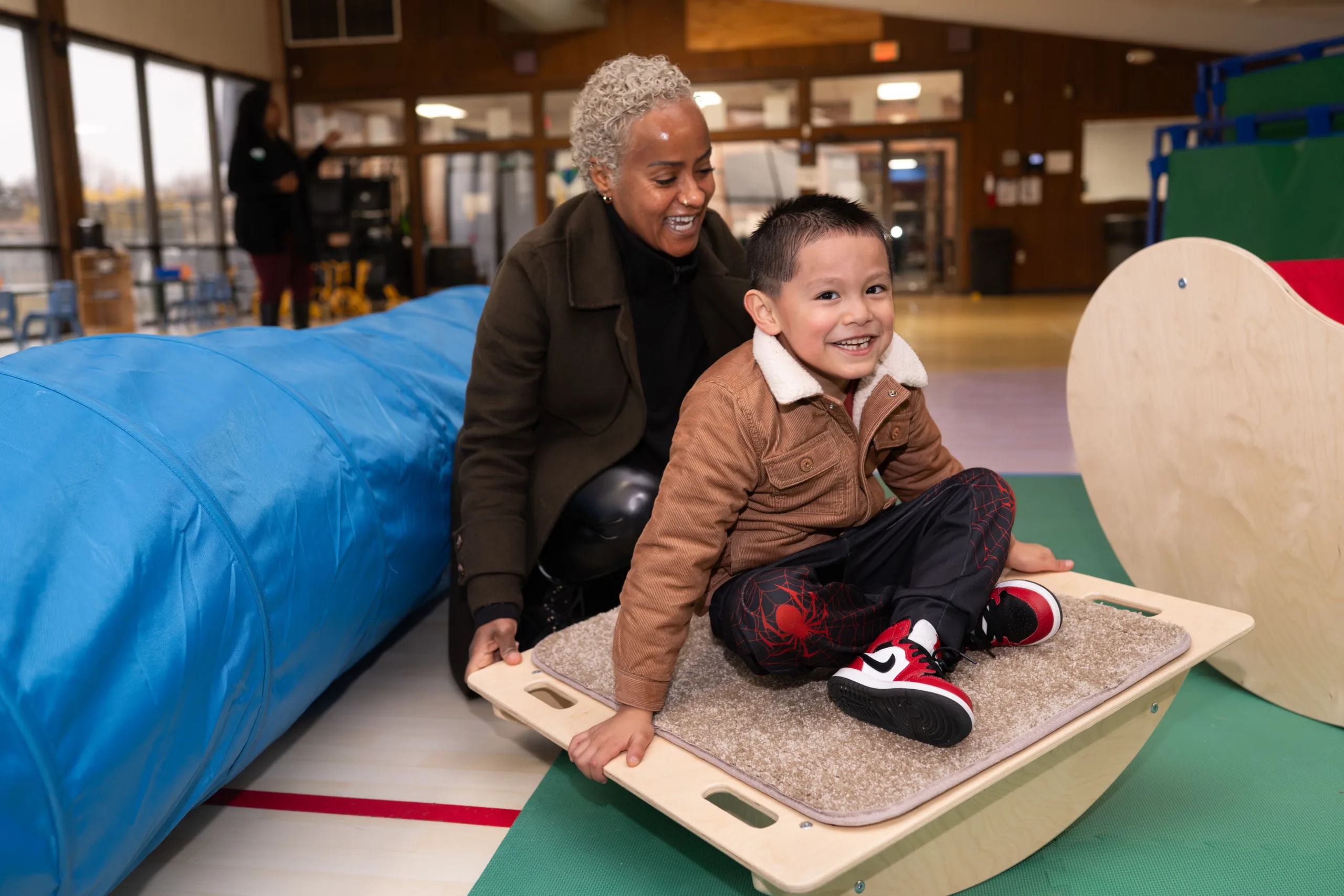
Although our roots are in clinic-based therapy, we’ve long understood that sensory therapies belong in the classroom. We develop products specifically for teachers working with students who have sensory processing challenges. Our products are built to the same clinical standard therapists rely on, designed to work in your environment. Because when teachers and therapists work from the same playbook, your students benefit.


This content is sponsored by Insurance Canopy.
Why Choose Insurance Canopy?
For over a decade, Insurance Canopy has offered simple teacher liability insurance built just for educators like you. We get that you’re managing student safety and behavioral support every day. A lot depends on you, and you deserve support, too.
Teacher insurance is your financial safety net if a claim arises from your teaching, like a student getting hurt or someone else’s property getting damaged.
How Teacher Insurance Protects You
Teacher insurance follows you wherever you teach to cover your key risks:
- Covers student injuries and harm to other people’s property with general liability insurance
- Protects you from accusations of negligence or mistakes in your work with professional liability insurance
- Helps pay for legal expenses like attorney fees, settlements, damages, and more if a claim is filed against you
You can also customize your policy to fit your specific needs with extra coverages, like protection for your teaching supplies or against miscommunications and allegations.
See how each coverage protects teachers in real-life situations in Teacher Liability Insurance 101.
Here are a few examples of how Insurance Canopy supports special education teachers if something goes wrong.
- A student damages a checkout kiosk during your class outing to a grocery store, and the store claims inadequate supervision. Estimated cost: $5,000
- A student slips and falls during your turn on bus duty, and you’re named in the injury claim. Estimated cost: $10,000
- A claim is filed alleging your student didn’t receive the required accommodations. Estimated cost: $30,000
- A misconduct claim is filed after a student reports concerns about how a behavioral situation was handled. Estimated cost: $40,000
Note: These claim scenarios are intended as examples, not a guarantee of coverage. Circumstances vary, so make sure to check your policy for exclusions and details, or contact us. We’re always happy to answer your questions!
Why NASET Members Benefit from Teacher Insurance
Helping special education students succeed often means hands-on support and a high level of responsibility, creating a higher risk for accidents. We’re proud to partner with NASET to offer affordable coverage that supports your confidence in the classroom and beyond.
Having your own personal coverage helps you:
- Protect your personal finances if something goes wrong
- Fill gaps in school-provided coverage
- Stay covered for afterschool clubs, community-based outings or field trips, and more
But What If My School or Union Has Insurance? Do I Still Need My Own?
Even if your school, district, or union has liability insurance, it typically protects the institution first. That means there can be hidden gaps in your school coverage. If something goes wrong that’s outside your role as written in your contract, your school or union may not cover you or pay costs like legal defense.
That’s why many teachers need their own insurance.
Should You Consider Teacher Insurance?
You may need insurance beyond what your school or district provides if you:
- Work in special education or student support roles
- Manage behavior plans
- Supervise students in off-campus or high-touch settings
- Are not named directly on your school’s liability insurance policy
Still not sure? Here are some questions to ask HR or your union about how their coverage extends to you:
Quick Questions: How to Check If You Need Teacher Liability Insurance
Get Affordable Protection Designed Just for You
You became a teacher to focus on the students, not the risks. Teach confidently with teacher insurance starting at just $21.08/month from Insurance Canopy.
(Apply in minutes online)
Download a PDF Version of This e-Journal
Table of Contents
Special Education Legal Alert 3
Update from the U.S. Department of Education 9
Special Education Legal Alert
Perry A. Zirkel
May 2026
This month’s update identifies two recent decisions that respectively illustrate the fuzzy “need prong” for special education eligibility under the IDEA and the relatively rare legal appearance of counteractions to IDEA and Section 504/ADA protection, here extending to “anti-SLAPP” laws. For related publications and special supplements, see perryzirkel.com
|
On February 11, 2026, the Sixth Circuit Court of Appeals issued an unofficially published decision in G.E. v. Williamson County Board of Education. In this case, upon his enrollment for 5th grade, G.E.’s parents filled out a health form indicating that he suffered from anxiety. His teachers did not notice any particular anxiety at school but expressed concern with his 41 absences and 17 tardies. The parents arranged for a private evaluation, which yielded diagnoses of anxiety disorder, panic attacks, and depression and a prescription for medication. They shared this information with school officials in March in discussions about his attendance issues and 2 incidents in which he was the victim of reported bullying. As a side effect of his doctors’ resulting doubling of his anxiety-medication dosage, R.L. tripped in the hall at school, hitting his head and losing consciousness. Despite his continued attendance and mental health struggles in grade 6, he received passing grades. In the summer before 7th grade, his parents filed a due process complaint, alleging child find violations under the IDEA and Section 504. In response, the district initiated a comprehensive eligibility evaluation. The parents consented to the educational, but not psychological, part of the evaluation. Upon completion of the evaluation in September, the multidisciplinary team met and determined that G.E. did not qualify but agreed to another IDEA-eligibility meeting after the parents provided the private neuropsychologist’s evaluation. The team agreed to separately determine eligibility under Section 504, but the parents did not agree to any of the successive offers of meeting dates/times and ultimately declined. Meanwhile, during 7th grade, G.E.’s mental health struggles escalated, causing partial hospitalization and resulting homebound instruction from October to February, followed by the pandemic. As part of the ongoing due process hearing, the district conducted the psychological part of the evaluation per hearing officer authorization, but the parents refused to participate in an IDEA- or Section 504-eligibility meeting, having unilaterally placed G.E. in a private school. After a 12-session hearing, the hearing officer ruled in the district’s favor. After an initial remand, the district court affirmed, and the parents appealed to the Sixth Circuit. |
|
|
Under Sec. 504, the parents alternatively argued that in grades 5–6 the district should have initiated a Sec. 504 evaluation or should have provided formal accommodations for G.E.’s school phobia. |
The Sixth Circuit ruled that the district did not have reason to know G.E.’s attendance problems were due to anxiety, much less school phobia. |
|
Under the IDEA, the parents argued that the district violated its child find obligation by not evaluating C.E. in grade 7 after the partial hospitalizations. |
Rejecting this claim, the Sixth Circuit considered the district’s actions reasonable in light of the recent evaluation and the parents’ lack of responsiveness after filing for a hearing. |
|
This decision reflects the ongoing increase of anxiety and other student mental health issues in recent years. Moreover, for related eligibility disputes, the fact-based determinations under the IDEA and Section 504 warn against over-generalization of the outcomes. |
|
|
On March 27, 2026, a federal district court issued an unofficially published decision in Allen v. Lewisville Independent School District. In 8th grade in Florida, R.A. had a 504 plan for ADHD and dysgraphia. His family moved to Texas in the summer before 9th grade. He continued to receive Section 504 accommodations, and received As, Bs, and Cs in a mix of class levels, including advanced placement (AP). In the first marking period of the second semester in 10th grade, he received failing grades in AP algebra and AP chemistry. When informed that the reasons were his failure to submit homework, attend tutoring, and make up tests, his parents had his medication adjusted, asked his football coach to resume the monitoring that was successful in the first semester. However, when R.A. continued to lack motivation, his parents reluctantly moved him into on-level algebra and chemistry classes, which he passed. He also passed the state proficiency exams. In 11th grade, his father died, and his mother asked the school counselor in addition to the football coach to “keep watch over” R.A. He passed all his classes except pre-calculus, in which he missed several assignments and was caught cheating on a test. He retook and passed pre-calculus in summer school. In the meanwhile, after a difficult Father’s Day, his mother took him to a psychologist, who diagnosed him with depression and anxiety. She only shared this information with school officials, and then without documentation, in November of 11TH grade when they assigned him to a disciplinary alternative education program (DAEP) for 60 days for sending social-media messages implying impending violence at the school. The district conducted a threat assessment that concluded that R.A. did not pose a serious risk. The DAEP counselor reported that R.A. had expressed suicidal ideations, which was not unusual for students in the program. In the meantime, the district conducted a manifestation determination under Section 504, concluding that neither his ADHD nor his dysgraphia caused the violation of the school’s code of conduct. His mother filed for separate due process hearings under IDEA and Sec. 504, which each ruled in the district’s favor. In the meantime, the Section 504 committee met again and determined that his misconduct was not a manifestation of R.A.’s depression and anxiety, and his mother consented to an IDEA evaluation, which found R.A. eligible for special education. She then filed a lawsuit in federal court, alleging separate violations under the IDEA and Section 504. |
|
|
The parent’s first claim was child find under the IDEA, contending that the district should have evaluated R.A. sooner during his high school career. |
The court disagreed with the parent’s claim, concluding that that district did not have reason to suspect the need for special education under the circumstances, including R.A.’s grades, his state proficiency assessments, his father’s death, and his teachers’ anecdotal reports. |
|
The parent’s second claim was the IDEA’s “deemed to know” protection for manifestation determinations based on written parental concerns that the child needs special education. |
Again disagreeing, the court concluded that the parent’s expressions of concern in this case were not reasonably understood to be a request for an IDEA eligibility evaluation or, to the extent they were in writing, to specifically or sufficiently suggest the need for special education. |
|
The parents’ third claim was under Sec. 504, contending that the 504 plan was not appropriate. |
Although acknowledging that district obligations are “less exacting” under Sec. 504, the court used IDEA standards for FAPE to conclude that the school’s responses to R.A.’s struggles were reasonably calculated for academic advancement. |
|
As in the first case, (1) student mental health struggles served as the overall stimulus; (2) the legal outcome for child find depended on multiple factors viewed with a lens that is less stringent than professional norms; and (3) the judicial analysis of Sec. 504 was not well-developed or consistent compared to that for the IDEA. |
|
Buzz from the Hub
https://www.parentcenterhub.org/buzz-march2026/
What If Everyday Routines Were STEM Moments? A New Podcast Series
Want to learn simple ways to embed STEM learning with your child into everyday routines and activities? The STEMIE Family Hotline podcast series is designed for busy families and can be listened to on the go. Each short episode offers practical ideas to help you turn everyday moments into meaningful STEM learning opportunities.
You can listen to the STEMIE Family Hotline podcast series on Spotify and Apple Podcasts, or stream the episodes directly on their website https://stemie.fpg.unc.edu/blogs/.
Every few months we’ll feature a Parent Center on our website and we will now be including the featured parent center in the Buzz!
Encircle Families is the federally funded Parent Training and Information Center (PTI) for the state of Arizona. Encircle Families began in 1979 as a grass-roots effort of families, professionals, and community leaders determined to provide support and information for parents of children with disabilities and special health care needs.
Encircle Families has virtual trainings and workshops for families and professionals on topics such as IEP Development, Positive Behavior Supports, Understanding 504 Plans, Bullying Prevention, and many others.
Pathways to Partnership: Early Childhood Education
This guide by School House Connection explains how school district homeless liaisons and service providers can work together to connect young children experiencing homelessness with early childhood education programs.
Read the guide here.
School Choice Lets Parents Decide How Much AI Belongs in Education
This blog post from the U.S. Department of Education’s Homeroom Blog argues that because the long-term effects of AI in classrooms aren’t yet clear, school choice should let parents decide whether they want their children’s schools to embrace AI technologies or stick with more traditional, teacher-centered approaches focused on cultivating independent thinking.
Read the blog post here.
Understanding the Differences between High School and College
This guide was created by the Think College Transition team to help teachers, families, and students prepare for college. It discusses the need to plan for the ways that higher education will be different from high school, including higher academic expectations, increasing independence, and new social environments.
Access the guide here (available in English and Spanish).
WIOA, IDEA, Perkins Measures Crosswalk
Developed by VRTAC-QM and NTACT:C, the guide, Transition Programs – Performance Accountability, was developed to outline intersection points across three primary pieces of legislation that have a transition focus, the Workforce Investment Opportunities Act (VR Performance Indicators), the Individuals with Disabilities Education Act (Part B Indicators), and the Perkins V (accountability indicators).
Access the guide here.
Guiding Principles of Collaborative Advocacy
CADRE’s short video, Guiding Principles of Collaborative Advocacy, combines highly effective communication strategies, facilitative behaviors, interest-based problem-solving skills, and most importantly, a collaborative approach to empowering students with disabilities, their families, and other advocates for the student to effectively navigate the IEP process.
Watch the video here.
Update from the U.S. Department of Education
Birth to Grade 12 Education-Reources
https://www.ed.gov/birth-to-grade-12-education
Available Grants
https://www.ed.gov/grants-and-programs/apply-grant/available-grants
April 30, 2026
Today, U.S. Department of Education Assistant Secretary for Postsecondary Education Dr. David Barker visited Hayes Elementary School as part of the Department’s national ‘History Rocks!’ Trail to Independence Tour.
April 30, 2026
Today, the U.S. Department of Education released a final rule that will lower the cost of college and make student loan repayment easier, an important step toward implementing historic reforms contained in President Trump’s Working Families Tax Cuts Act.
Task Force Publishes Report on Eradicating Anti-Christian Bias and Restoring Religious Liberty
April 30, 2026
Today, the Task Force to Eradicate Anti-Christian Bias published a report detailing how the Biden Administration’s prosecutions, policies, and practices revealed deep-seated anti-Christian bias throughout the federal government.
April 29, 2026
Today, the U.S. Department of Education’s Office for Civil Rights opened an investigation into Stanford University to determine whether Stanford violated Title VI by discriminating on the basis of race in its operation of a school program.
April 29, 2026
Today, U.S. Department of Education Assistant Secretary for Postsecondary Education Dr. David Barker visited Riverton High School as part of the Department of Education’s national History Rocks! Trail to Independence Tour.
April 28, 2026
Today, U.S. Department of Education (the Department) Assistant Secretary for Postsecondary Education Dr. David Barker visited Billings West High School in Billings, Montana as part of the Department’s national History Rocks! Trail to Independence Tour.
Secretary McMahon Testifies on President Trump’s Fiscal Year 2027 Budget Request
April 28, 2026
On April 28, 2026, U.S. Secretary of Education Linda McMahon testified before the United States Senate Labor, Health and Human Services, and Education Appropriations Subcommittee on President Trump’s fiscal year 2027 budget request.
April 27, 2026
Today, the U.S. Department of Education launched a new, real-time fraud detection capability for the Free Application for Federal Student Aid form, marking the largest and most comprehensive, nationwide fraud prevention effort in the agency’s history.
April 23, 2026
Today, the U.S. Department of Education’s Office for Civil Rights opened an investigation into the New York City Department of Education.
April 23, 2026
U.S. Department of Education Assistant Secretary for Postsecondary Education Dr. David Barker Highlights Civics Education at “History Rocks!” Event in Washington.
April 22, 2026
ED and HHS announced the Fiscal Year 2026 competition for the Child Care Access Means Parents in School (CCAMPIS) Program, a grant that aims to support campus-based child care services for low-income student parents.
April 21, 2026
Today, U.S. Secretary of Education Linda McMahon visited Coeur d’Alene Charter Academy and Kootenai Technical Education Campus in support of the Returning Education to the States Tour and History Rocks! Tour.
April 20, 2026
Today, U.S. Secretary of Education Linda McMahon visited Oregon on the Returning Education to the States Tour.
April 20, 2026
Today, U.S. Department of Education Senior Advisor for Civic Education Katie Gorka visited Waxahachie High School as part of the Department’s national History Rocks! Trail to Independence Tour.
U.S. Department of Education Finds Four Kansas School Districts Violated Federal Law
April 17, 2026
Today, the U.S. Department of Education’s Student Privacy Policy Office determined that four Kansas school districts have policies that violate the Family Educational Rights and Privacy Act.
April 17, 2026
Today, U.S. Department of Education Senior Advisor for Civic Education Katie Gorka visited Concordia Lutheran Schools of Omaha as part of the Department’s national History Rocks! Trail to Independence Tour.
April 17, 2026
The U.S. Department of Education today issued a Notice of Proposed Rulemaking (NPRM) to establish a postsecondary education accountability framework that will break the cycle of low return on investment for students and taxpayers.
April 16, 2026
Today, U.S. Secretary of Education Linda McMahon visited Connecticut on the Returning Education to the States Tour.
April 16, 2026
Today, U.S. Department of Education (the Department) Senior Advisor for Civic Education Katie Gorka visited Westside Elementary School as part of the Department’s national History Rocks! Trail to Independence Tour.
April 16, 2026
Today, the U.S. Departments of Education (ED) and Labor (DOL) issued the Fiscal Year (FY) 2026 competitions for the Supporting Effective Educator Development Grant Program and the Charter Schools Program Grants to State Entities.
April 16, 2026
Last year, the Trump Administration launched a nationwide effort to combat identity fraud and theft in the federal student aid programs – leading to more than $1 billion in savings for the American taxpayer.
April 15, 2026
Today, U.S. Department of Education Senior Advisor for Civic Education Katie Gorka visited Christian Heritage Academy as part of the Department’s national History Rocks! Trail to Independence tour.
April 15, 2026
Today, the U.S. Department of Education’s Office for Civil Rights (OCR) opened an investigation into the New Home Independent School District (the District) in New Home, Texas.
April 10, 2026
The Trump Administration continues to tackle fraud, waste, and abuse across federal elementary and secondary education and higher education programs that have squandered taxpayer dollars as part of the President’s Task Force to Eliminate Fraud.
U.S. Secretary of Education Linda McMahon Visits Nebraska on Returning Education to the States Tour
April 9, 2026
Today, U.S. Secretary of Education Linda McMahon visited Nebraska on her Returning Education to the States Tour.
Victories for Higher Education: Ending Gender Extremism and Cutting Underused Programs
April 9, 2026
Just over a year ago, we saw men claiming victories in women’s athletics. Colleges and universities were focused more on diversity, equity, and inclusion than ensuring graduates were prepared for success in life after graduation.
April 8, 2026
Today, U.S. Secretary of Education Linda McMahon visited Colman-Egan High School and the McCrossan Boy’s Ranch in support of her Returning Education to the States Tour and the Flandreau Indian School in support of the History Rocks Tour!
April 8, 2026
Today, the U.S. Departments of Education and Labor issued the Fiscal Year 2026 competitions for the Teacher and School Leader Incentive Program and the Innovative Approaches to Literacy Program.
Proclaiming April 2026 as National Community College Month
April 7, 2026
For more than 125 years, community colleges have opened doors, powered local economies, and prepared millions of Americans for real jobs and real opportunity.
Victories for Higher Education: Eliminating DEI
April 6, 2026
Just over a year ago, we saw men claiming victories in women’s athletics. Colleges and universities were focused more on diversity, equity, and inclusion than ensuring graduates were prepared for success in life after graduation.
U.S. Department of Education Rescinds Illegal Title IX Resolution Agreements
April 6, 2026
Today, the U.S. Department of Education’s Office for Civil Rights rescinded provisions of resolution agreements from prior Administrations.
Understanding the J-1 Visa: Opportunities, Limitations, and the Experience of an International Special Education Teacher: A Practitioner and Autoethnographic Perspective
By Revitche Quijano
Abstract
The J-1 Visa Exchange Visitor Program provides international educators and professionals with opportunities to work in the United States while engaging in cultural exchange and professional development. This article explains how the J-1 Visa works, including its benefits, limitations, and the two-year home residency requirement under Section 212(e) of the Immigration and Nationality Act. It also presents my personal experience as an international Special Education teacher. By combining policy explanation with lived experience, this article aims to help educators better understand the realities of the J-1 Visa program.
Keywords: J-1 Visa, international teachers, special education, cultural exchange, autoethnography, 212(e)
Introduction
The J-1 Visa Exchange Visitor Program plays an important role in supporting education systems in the United States, particularly in high-need areas such as Special Education. Many school districts rely on international teachers to help address staffing shortages while also bringing diverse cultural perspectives into the classroom.
For educators who are considering this opportunity, it is important to understand not only the benefits of the program but also the responsibilities and challenges that come with it. Adjusting to a new country, education system, and professional expectations can be both exciting and challenging.
This article uses both a practitioner and autoethnographic approach. I explain the J-1 Visa program based on relevant policies while also sharing my own experience as an international Special Education teacher. Through this, I aim to provide a clearer and more realistic understanding of what it means to participate in the J-1 program. This approach allows me to connect my personal experience with broader educational and policy contexts, providing a deeper understanding of the realities faced by international teachers.
Overview of the J-1 Visa Program
The J-1 Visa is a non-immigrant visa under the Exchange Visitor Program that allows individuals from other countries to participate in approved programs in the United States. These programs are designed to promote mutual understanding through educational and cultural exchange.
Participants are sponsored by designated organizations and must follow specific regulations, including maintaining program compliance and fulfilling the objectives of their exchange category. The J-1 program includes several categories such as teachers, students, research scholars, interns, and trainees, each with its own eligibility requirements and limitations.
For teachers, the program typically allows employment in accredited K–12 schools for a limited period, usually ranging from three to five years, depending on program guidelines.
Personal Narrative: A Teacher’s Journey
My journey as a J-1 teacher started with uncertainty.
I applied online without knowing if I would be selected. I simply took the chance and hoped for the best. After some time, I received a call from one of the school districts in California. I was invited to interview, and eventually, I was hired and assigned to a public high school. That moment marked a turning point in my life.
However, being hired was only the beginning.
The documentation process was one of the most challenging parts. There were strict deadlines, multiple requirements, and constant pressure to complete everything before the school year started. At times, it felt overwhelming. With the support of organizations such as FCEC and Teacher Lounge, I was able to complete the process and move forward.
When I arrived in the United States, I experienced culture shock. Even though I had been using English in my teaching career, speaking and teaching in a real classroom setting felt very different. There were moments when I struggled to express myself clearly and felt less confident.
I also had to adjust to a new educational system, especially in Special Education. I had to learn how to implement Individualized Education Programs (IEPs), understand compliance requirements, and apply behavior support strategies. These were all new expectations that required immediate learning and adaptation.
One of the biggest challenges I experienced during my first year was working with paraprofessionals. In my previous experience, I was used to managing my own classroom independently. However, in this new setting, I had to lead and collaborate with a team. At first, I found it difficult to communicate expectations, define roles, and ensure consistency in supporting students with moderate-to-severe disabilities. There were moments when I felt that I needed more structured guidance in managing this kind of teamwork.
Over time, I began to learn through experience, observation, and the support of my colleagues. I developed clearer communication strategies, became more confident in giving directions, and learned how to build stronger working relationships with paraprofessionals. The help and mentorship from colleagues played an important role in my growth as a teacher and as a team leader. This growth also allowed me to provide more consistent and structured support for my students.
This experience taught me that collaboration is not automatic; it is a skill that develops over time. It also showed me that effective teamwork is essential in Special Education, where consistency and coordination directly affect student progress.
Beyond the classroom, being away from my family was one of the most difficult parts of the journey. There were moments of homesickness, emotional stress, and self-doubt. Adjusting to a new environment while carrying personal responsibilities required strength and resilience.
Despite all these challenges, I found purpose in my work.
Teaching students with moderate-to-severe disabilities gave me a deeper sense of meaning. I realized that my role was not only to teach academic skills but also to support independence, communication, and life skills.
As the years went by, things became more manageable. I gained confidence, improved my teaching practices, and became more comfortable in the system. What once felt difficult became part of my daily routine.
Reflection
Looking back, I realize that my experience is not just my personal story. It reflects the journey of many international teachers who navigate new systems, cultures, and expectations while trying to make a difference. My experience shows that growth comes through challenges and that adaptation is both a personal and professional process. It also highlights the importance of support, collaboration, and continuous learning in becoming an effective Special Education teacher.
Another important part of my journey is understanding the limitations of the J-1 Visa, particularly the two-year home residency requirement under Section 212(e) of the Immigration and Nationality Act. While the program provides valuable opportunities for growth and professional development, it also requires participants to consider their long-term plans carefully.
As an international teacher, there is a natural desire to continue contributing and growing within the system where I have developed my skills. However, the requirements of the program remind me that the J-1 Visa is designed as an exchange, not a permanent pathway.
This experience has helped me better understand the purpose of the program and the importance of planning ahead. It also highlights how policies can shape the professional journeys of international educators, influencing both their opportunities and decisions for the future.
Discussion
The experiences shared in this article highlight the importance of preparation, adaptability, and support systems for international teachers participating in the J-1 program. In Special Education settings, collaboration, communication, and understanding structured processes such as IEP implementation are essential for effective teaching.
International teachers bring valuable perspectives that can enrich inclusive practices. However, structured support and guidance are necessary to help them successfully transition into new educational environments. These insights suggest that school systems should continue to provide mentorship and professional development opportunities to support international educators.
The experiences presented in this article can also be understood through a process of professional growth. As an international teacher, I first had to learn, adapting to a new educational system, expectations, and cultural environment. Through this learning process, I was able to create an impact by supporting students with moderate-to-severe disabilities and contributing to inclusive classroom practices.
At the same time, I had to navigate the complexities of the system, including collaboration with paraprofessionals, compliance requirements, and the limitations of the J-1 Visa program. Over time, these experiences allowed me to grow and thrive in my role as an educator.
This journey reflects not only individual development but also the broader contribution of international teachers in education. This also highlights the importance of recognizing and valuing our work and contributions as international teachers, particularly as we navigate complex systems while striving to support student success.
Conclusion
The J-1 Visa provides valuable opportunities for teachers, especially in Special Education. At the same time, it requires preparation, patience, and resilience.
From my experience, this journey is both challenging and rewarding. For teachers who are willing to take the risk, it can be a life-changing opportunity.
It also highlights the importance of continuous learning and support in helping international teachers succeed in diverse educational settings.
References
BridgeUSA. (2023). Teacher exchange visitor program. U.S. Department of State. https://bridgeusa.state.gov
Ellis, C., Adams, T. E., & Bochner, A. P. (2011). Autoethnography: An overview. Forum: Qualitative Social Research, 12(1).
Friend, M., & Cook, L. (2020). Interactions: Collaboration skills for school professionals (9th ed.). Pearson. Participate Learning. (2022). The impact of international teachers in U.S. classrooms. https://www.participatelearning.com
Sutcher, L., Darling-Hammond, L., & Carver-Thomas, D. (2019). Understanding teacher shortages. Learning Policy Institute. https://learningpolicyinstitute.org
U.S. Citizenship and Immigration Services. (2023). Exchange visitors (J-1 visa). https://www.uscis.gov
U.S. Department of State. (2023). Exchange visitor program (J-1 visa). https://j1visa.state.gov
U.S. Department of State. (2023). Two-year home-country physical presence requirement. https://travel.state.gov
The Effectiveness of Early Literacy Interventions for Elementary Students At-Risk for Reading Disabilities
By Cosett Maytin, Julianne Verdayes, Amyerim Suarez
Introduction
Reading proficiency is a foundational skill that significantly influences a student’s academic success and long-term educational outcomes. Students identified as at-risk for reading disabilities often demonstrate early difficulties in phonemic awareness, decoding, and fluency, which can hinder their ability to access grade-level content. Students who experience early reading difficulties are at increased risk for ongoing academic challenges, including reduced comprehension and lower overall achievement (Wanzek et al., 2018). Without timely and effective intervention, early deficits may continue and may even increase for students over time. As a result, early literacy interventions implemented during the lower elementary grades, particularly kindergarten through third grade, have become a central focus in special and general education alike. We now know that early reading struggles can impact a student’s confidence and motivation as well, which can also lead to frustration and disengagement from learning. This makes early intervention not only an academic priority and important component of supporting students’ overall development because when students begin to see themselves as capable readers, it can positively influence them across all subject areas.
Literature Review
This literature review focuses on how effective early literacy interventions are for elementary students at risk for reading disabilities. It looks at key components such as explicit instruction, the use of Response to Intervention (RTI), and differences in how students respond to interventions. While the research mostly supports early intervention as an effective means of improving foundational reading skills, especially when it is structured and consistent, there are unanswered questions and gaps remain regarding when it comes to how long the effects last and why some students benefit more than others. Looking at these gaps is important because it helps educators understand and reflect on what is working and what still needs improvement by refining their instructional practices to better meet the needs of their diverse learners. It also informs of the importance of ongoing research and professional development in reading instruction.
Early Identification and Intervention
Across the researched literature there is a consistent theme and that is the importance of early identification and providing support as soon as possible. In many districts, as in our own M-DCPS, Response to Intervention (RTI) is THE framework used to identify students at risk. Teachers rely heavily on this system to track progress and make decisions about instruction. According to Arias-Gundín et al. (2021), RTI models provide a structured approach to delivering increasingly intensive interventions based on student need, allowing educators to address reading difficulties before they become severe. This approach helps ensure that students are not overlooked and that support is provided as soon as the teacher sees concerns arise. It also promotes collaboration among teachers because as a team working together they can analyze data and adjust instruction. What stands out is how much timing matters. Lovett et al. (2017) found that intervention timing is very important, because students who received targeted reading support in first grade demonstrated much stronger outcomes than those who receive intervention later on. Early intervention not only improves reading skills but it can also reduce the likelihood of latter academic failure and special education placement. From a practical standpoint, it reinforces the idea that waiting for students to “catch up” on their own is not an effective approach. Instead, immediate and intentional intervention, teacher collaboration and regular data analysis can make a significant difference in a student’s academic path.
Effectiveness of Explicit and Systematic Instruction
The researched literature strongly supports the use of explicit and systematic instruction in early literacy interventions and this is what new educators are being drilled on. Al Otaiba et al. (2022) found that structured approaches targeting phonemic awareness, phonics, and fluency produce significant improvements in early reading outcomes. These approaches work especially well in small groups, where teachers can provide more individualized support and immediate feedback. This type of instruction provides students with clear expectations and step-by-step guidance, which is especially beneficial for those who struggle with retaining or processing information. It also allows teachers to model skills and guide students through practice which they may not yet be able to do on their own.
Wanzek et al. (2018) demonstrated in their research that intensive reading interventions provided significant gains in foundational literacy skills among at-risk students. These interventions often include direct modeling, guided practice, and repeated opportunities for skill practice. The nature of findings across the literature suggested that explicit instruction is the most important component of effective early literacy intervention. Students who receive more frequent, intentional and focused instruction tend to make greater progress. However, it is also important that instruction remains engaging for students because even the most structured lesson will not be effective if students are not actively involved or motivated to learn. We have learned that when students are both supported and engaged, they are more likely to retain and apply new skills.
The Role of RTI and Tiered Support Systems
RTI frameworks play a important role in organizing and delivering early literacy interventions. Within this model, Tier 1 instruction provides high-quality, evidence-based teaching to all students, while Tier 2 and Tier 3 interventions offer strategic intensive support for those identified as at risk. Arias-Gundín et al. (2021) sound that RTI not only helps facilitate early identification but also promotes data-driven decision-making and instructional responsiveness. The researched literature indicates that Tier 2 interventions, mostly delivered in a small groups model, are particularly effective for students with mild to moderate reading difficulties. This level allows teachers to differentiate instruction without moving students into special education, which can be beneficial for both academic and social reasons. Students who do not respond adequately may require more intensive, individualized interventions at Tier 3. While RTI frameworks are widely encouraged, variability in “implementation fidelity”, (a word so loosely used by administrators) across schools can influence their overall effectiveness. The success of RTI depends on how consistently it is implemented and how well teachers are trained to use it. It can be a powerful tool if done correctly, but can limit its impact and create gaps in student support if there are inconsistencies.
Inconsistencies in Student Outcomes
Although early literacy interventions are generally effective, the literature reveals inconsistency or differences in student outcomes. Seerup et al. (2025) found that while students receiving early literacy tutoring showed improvements in decoding and phonological awareness, the magnitude of these gains really “differed” by student. There were factors such as the intervention intensity, the duration, and the individual student’s characteristics which contributed to these differences. These differences remind us that no single intervention works the same for every student, and flexibility in instruction is of utmost importance. Also, while foundational skills such as decoding often improve with intervention, gains in reading comprehension can less consistent. This would suggest that while early interventions may successfully address lower-level reading skills, additional instructional strategies are or may be necessary to support higher-order comprehension. The research show the complexity of reading development and the need for teachers to have differentiated approaches to intervention. Teachers must, therefore, consider how to build foundational skills while also supporting student’s deeper understanding, a more comprehensive approach to reading instruction.
Gaps and Future Directions
Although there is strong documented evidence supporting early reading interventions, gaps remain in the research. First, there is limited research on the long-term effects of intervention effects, such as beyond the elementary years. Second, there is also a need for more research which is focused on reading comprehension because while decoding is important, it is only one part of reading. Students need support in understanding and applying what they read as well. This ensures that reading gains are not lost over time. Another important consideration is diversity. The literature does not fully address how interventions can be adapted for students from different cultural and linguistic backgrounds. The research should focus or at the very least include, on how to make interventions more inclusive and relevant for all types of learners. Finally, inconsistencies in RTI implementation by teachers suggests a need for more research on best practices for ensuring implementation fidelity. Future research should also explore how to best prepare and support teachers in implementing these interventions.
Conclusion
Early literacy interventions play an important role in supporting elementary students at risk for reading disabilities. The researched literature consistently shows that interventions based on structure and explicit instruction, while it being implemented within RTI frameworks can greatly improve foundational reading skills. Early identification and timely intervention are important factors in preventing long-term difficulties. The findings reinforce the importance of teachers needing to be proactive rather than reactive when addressing these types of challenges. At the same time, it is important to recognize that not all students respond in the same way. Differences in outcomes and gaps in the researched literature suggest that there is still more work to be done. Teachers need to continue to refine instructional practice, schools need to invest in teacher support so that teachers can improve the effectiveness of early literacy interventions. This will ultimately positively impact not only academic success but also help students become confident readers beyond the classroom.
References
Al Otaiba, S., McMaster, K., Wanzek, J. and Zaru, M.W. (2022), What we know and need to know about literacy interventions for elementary students with reading difficulties and disabilities, including dyslexia. Reading Research Quarterly, 58(2): 313-332. https://doi.org/10.1002/rrq.458
Arias-Gundín, O., Llamazares, A. (2021). Efficacy in the rti model in the treatment of reading learning disabilities. Education Sciences, 11(5), 209. https://doi.org/10.3390/educsci11050209
Lovett, M. W., Frijters, J. C., Wolf, M., Steinbach, K. A., Sevcik, R. A., & Morris, R. D. (2017). Early intervention for children at risk for reading disabilities: The impact of grade at intervention and individual differences on intervention outcomes. Journal of Educational Psychology, 109(7), 889–914. https://doi.org/10.1037/edu0000181
Seerup, J. K., Dietrichson, J., Jensen, V. M., & Bingley, P. (2025). Tutoring Young Children at Risk of Developing Reading Difficulties: Effects of an Early Tutoring Intervention on Literacy Skills and Executive Functions. Journal of Education for Students Placed at Risk, 30(4), 365–395. https://doi.org/10.1080/10824669.2025.2468701
Wanzek, J., Stevens, E. A., Williams, K. J., Scammacca, N., Vaughn, S., & Sargent, K. (2018). Current Evidence on the Effects of Intensive Early Reading Interventions. Journal of Learning Disabilities, 51(6), 612-624. https://doi.org/10.1177/0022219418775110
Acknowledgements
Portions of this or previous month’s NASET’s Special Educator e-Journal were excerpted from:
- Center for Parent Information and Resources
- Committee on Education and the Workforce
- FirstGov.gov-The Official U.S. Government Web Portal
- Journal of the American Academy of Special Education Professionals (JAASEP)
- National Collaborative on Workforce and Disability for Youth
- National Institute of Health
- National Organization on Disability
- Substance Abuse and Mental Health Services Administration
- U.S. Department of Education
- U.S. Department of Education-The Achiever
- U.S. Department of Education-The Education Innovator
- U.S. Department of Health and Human Services
- U.S. Department of Labor
- U.S. Food and Drug Administration
- U.S. Office of Special Education
The National Association of Special Education Teachers (NASET) thanks all of the above for the information provided for this or prior editions of the Special Educator e-Journal
Sarah S. Ayala, LSU | Associate Editor, NASET e-Journal
Download a PDF Version of This e-Journal

This content is sponsored by Drexel University.

Drexel University Celebrates Teachers
Download a PDF Version of This e-Journal
Table of Contents
Special Education Legal Alert
Buzz from the Hub
Update from the U.S. Department of Education
Using a Classroom Microphone to Increase Student Engagement during Brain Breaks in a Special Day Class
Collaborating Between Schools and Culturally Diverse Families of Students with Disabilities
Acknowledgements
Special Education Legal Alert
Perry A. Zirkel
April 2026
This month’s update identifies two recent decisions that respectively illustrate the fuzzy “need prong” for special education eligibility under the IDEA and the relatively rare legal appearance of counteractions to IDEA and Section 504/ADA protection, here extending to “anti-SLAPP” laws. For related publications and special supplements, see perryzirkel.com
|
On March 26, 2026, a federal district court in Texas issued an unofficially published decision in Sarah J. v. Austin Independent School District. In this case, student S.T. became ill at the start of grade 9. On September 29, his parents informed the school that the diagnosis was mononucleosis, which he previously had in grades 5 and 7. On October 4, the district put him on a waitlist for a general education homebound instructor. On October 26, the parents received and notified the district of a revised diagnosis, which was chronic fatigue syndrome (CFS). The district provided him with a 504 plan based on CFS and dysgraphia. The homebound services belatedly started on February 9 and continued for the rest of the school year whenever he was unable to attend school. Due to this 4-month delay, his grades and course completion suffered despite being given the opportunity to make up his assignments and tests after the school year ended. Meanwhile, on March 9, his parents formally requested an eligibility evaluation under the IDEA. The district did not take action until August 4 to obtain their written consent, which the parents provided on August 7. In grade 10, S.T. only attended the first two weeks before becoming too ill to continue attendance. On October 17, based on the timely-completed evaluation, the IEP team concluded that S.T. was not eligible under the IDEA but recommended continuing the Section 504 accommodations, including extra time, reduced assignments, and breaks as needed. In immediate response, the parents requested, and the district agreed to, an independent educational evaluation (IEE) at public expense. On November 2, the parents submitted the physician’s CFS report, which recommended shortened school days, frequent rest breaks, access to the nurse’s office, and the ability to go home if symptoms worsened. On December 14, the physician issued an updated report, prescribing home confinement for the next six months. By then, S.T. was sleeping about 18 hours per day and tired quickly during instruction. On April 14, the IEE report was issued, recommending IDEA eligibility under other health impairment (based on CFS) and specific learning disability (based on dysgraphia). Soon thereafter, the IEP team met, discussed the IEE report, and decided that the instructional recommendations could be implemented through the Section 504 accommodations and homebound services rather than an IEP. On June 6, the parents filed for an IDEA due process hearing. On April 14 (of S.T.’s grade 11), the hearing officer ruled that S.T. was eligible under the IDEA based on CFS but not dysgraphia. The parties appealed. |
|
|
Focusing on the second prong for eligibility, the district argued that S.T. only needed accommodations, not special education. |
Rejecting this claim, the court agreed with the hearing officer that the district’s reduction of instructional time and adjustment of its implementation to accommodate S.T.’s severe CFS amounted to adaptation of the delivery of instruction, per the definition of “specially designed instruction” in the IDEA regulations. |
|
Although this decision also had a reasonable-time Child Find issue, its ruling for the boundaries between special education and responsive general education, including Section 504, is a reminder of this inevitably gray rather than black-and-white area of law. |
|
|
D was a fourth grader with an IEP in a public elementary school in Massachusetts. According to his parents, other students in his mainstreamed classroom, including T, regularly bullied him. At times his behavior became dysregulated, most recently causing the classroom to be evacuated. On the next school day, the teacher sent an email to all the parents except Mr. & Mrs. D, reporting the incident and inviting those with questions to contact him or the principal. Later that day, the parents of classmate T emailed a letter to the school principal, the superintendent, and the school board, with copies to the classroom teacher and the parents of four other students in the same classroom who—according to a P.S. in their letter—shared their concerns. The Ts’ letter asked the school officials to address the allegedly disruptive behavior by a specific, but unnamed, student in their son’s class. The identified behaviors included obscene language, racist remarks, bullying other students, and endangering school property. The prompt actions they demanded included implementation of the school’s code of discipline and appropriate support for the teacher. Referring to the recent classroom evacuation, they expressed support of the “least restrictive environment” but questioned its application when the other students “are REMOVED from their classroom.” Upon learning of the letter and inferring that it referred to their son, Mr. and Mrs. D filed suit in state court, claiming that Mr. & Mrs. T were liable for defamation, infliction of emotional distress, and violation of D’s right to FAPE under the IDEA. The Ts moved for dismissal based on Massachusetts’ anti-Strategic Litigation Against Public Participation (SLAPP) statute, which protects petitions of public concern against meritless lawsuits. Approximately two thirds of states have anti-SLAPP laws. Although they vary somewhat in their scope and strength, they generally provide for expedited dismissal and shifted attorneys’ fees. Under the Massachusetts statute and its subsequent case law, to obtain dismissal, the Ts needed to show that (1) their claims were based entirely on their protected petitioning activity and (2) the Ds had failed to show that their petitioning activity was “devoid of any factual support or any arguable basis in law.” Finding that the T’s had met these two criteria, the trial judge granted their dismissal motion. The D’s filed an appeal to the state’s intermediate, appellate court. On February 26, 2026, said court issued its officially published decision in Doe v. Thorell. |
|
|
For criterion #1, the Ts argued that the P.S. in the letter, which reported that the Ds first communicated their concerns with other parents, did not constitute protected (i.e., public) petitioning. |
The appellate court rejected this argument, concluding that the pre-mailing discussion, the mailed result, and the cc’ing to the other parents qualified for one of the five alternate categories in the anti-SLAPP law’s definition of protected “petitions” per applicable case law—”any statement reasonably likely to enlist public participation in an effort to effect … consideration [by a governmental body].” |
|
For criterion #2, the Ts argued that the Ds’ lawsuit relied on hearsay and lacked information from anyone with personal knowledge of events in the classroom. |
Disagreeing, the appellate court reasoned that the applicable case law did not exclude all hearsay and that the information from the teacher, the Ds’ son, and the children of the other four parents were based on personal knowledge of the classroom event; thus, the Ds failed to show that the Ts’ letter was frivolous. |
|
This case is of interest for two reasons. First, it extends educators’ legal literacy to an introductory awareness of anti-SLAPP statutes and provides an example of their application in the school context. Second and more generally, it illustrates the occasional case law expression of the backlash-type perception that prevails among some parents and other individuals that is counter to the direction and protection of the IDEA and Section 504. |
|
Buzz from the Hub
https://www.parentcenterhub.org/buzz-march2026/
What If Everyday Routines Were STEM Moments? A New Podcast Series
Want to learn simple ways to embed STEM learning with your child into everyday routines and activities? The STEMIE Family Hotline podcast series is designed for busy families and can be listened to on the go. Each short episode offers practical ideas to help you turn everyday moments into meaningful STEM learning opportunities.
You can listen to the STEMIE Family Hotline podcast series on Spotify and Apple Podcasts, or stream the episodes directly on their website https://stemie.fpg.unc.edu/blogs/.
Every few months we’ll feature a Parent Center on our website and we will now be including the featured parent center in the Buzz!
Encircle Families is the federally funded Parent Training and Information Center (PTI) for the state of Arizona. Encircle Families began in 1979 as a grass-roots effort of families, professionals, and community leaders determined to provide support and information for parents of children with disabilities and special health care needs.
Encircle Families has virtual trainings and workshops for families and professionals on topics such as IEP Development, Positive Behavior Supports, Understanding 504 Plans, Bullying Prevention, and many others.
Pathways to Partnership: Early Childhood Education
This guide by School House Connection explains how school district homeless liaisons and service providers can work together to connect young children experiencing homelessness with early childhood education programs.
Read the guide here.
School Choice Lets Parents Decide How Much AI Belongs in Education
This blog post from the U.S. Department of Education’s Homeroom Blog argues that because the long-term effects of AI in classrooms aren’t yet clear, school choice should let parents decide whether they want their children’s schools to embrace AI technologies or stick with more traditional, teacher-centered approaches focused on cultivating independent thinking.
Read the blog post here.
Understanding the Differences between High School and College
This guide was created by the Think College Transition team to help teachers, families, and students prepare for college. It discusses the need to plan for the ways that higher education will be different from high school, including higher academic expectations, increasing independence, and new social environments.
Access the guide here (available in English and Spanish).
WIOA, IDEA, Perkins Measures Crosswalk
Developed by VRTAC-QM and NTACT:C, the guide, Transition Programs – Performance Accountability, was developed to outline intersection points across three primary pieces of legislation that have a transition focus, the Workforce Investment Opportunities Act (VR Performance Indicators), the Individuals with Disabilities Education Act (Part B Indicators), and the Perkins V (accountability indicators).
Access the guide here.
Guiding Principles of Collaborative Advocacy
CADRE’s short video, Guiding Principles of Collaborative Advocacy, combines highly effective communication strategies, facilitative behaviors, interest-based problem-solving skills, and most importantly, a collaborative approach to empowering students with disabilities, their families, and other advocates for the student to effectively navigate the IEP process.
Watch the video here.
Update from the U.S. Department of Education
Birth to Grade 12 Education-Reources
https://www.ed.gov/birth-to-grade-12-education
Available Grants
https://www.ed.gov/grants-and-programs/apply-grant/available-grants
April 2, 2026
The Trump Administration continues to tackle fraud, waste, and abuse across higher education programs.
March 31, 2026
Today, the U.S. Department of Education’s Office for Civil Rights (OCR) opened a complaint into the Contoocook Valley School District (the District) in Peterborough, New Hampshire.
U.S. Department of Education Announces Next Steps for Borrowers Enrolled in the Unlawful SAVE Plan
March 27, 2026
Today, the U.S. Department of Education began issuing guidance to all borrowers enrolled in the unlawful SAVE Plan, directing them to exit the plan and enter a legal federal student loan repayment plan.
Victories for Higher Education: Raising Academic Standards and Ensuring Admissions Transparency
March 27, 2026
Raising Academic Standards and Ensuring Admissions Transparency: Institutions are raising the bar — bringing back excellence in higher education and returning to admission based on merit.
March 26, 2026
In a prudent step to save hundreds of millions of taxpayer dollars and further reduce the federal education bureaucracy, U.S. Secretary of Education Linda McMahon announced that the U.S. Department of Education will move out of the LBJ headquarters.
March 26, 2026
Today, the U.S. Department of Education (the Department) celebrates that more than 10 million 2026–27 Free Application for Federal Student Aid (FAFSA®) forms have been successfully completed by students and parents and processed by Federal Student Aid.
Indiana First Lady Maureen Braun Highlights Civics Education at “History Rocks!” Event
March 26, 2026
Today, First Lady of the State of Indiana Maureen Braun visited Hamilton Southeastern High School as part of the Department of Education’s national History Rocks! Trail to Independence tour.
March 25, 2026
Today, Katie Gorka, U.S. Department of Education Senior Advisor for Civic Education, visited Wabaunsee Senior High School as part of the U.S. Department of Education’s national History Rocks! Trail to Independence tour.
March 25, 2026
Today, institutions of higher education are changing the game because President Trump is bringing back America’s Golden Age — shifting the culture and restoring our nation’s institutions to greatness.
Secretary McMahon’s Commencement Address for The Apprentice School at Newport News Shipbuilding
March 25, 2026
On March 21, 2026, U.S. Secretary of Education Linda McMahon gave commencement remarks for The Apprentice School at Newport News Shipbuilding.
March 24, 2026
Today, the U.S. Department of Education’s Office for Civil Rights issued a Letter of Impending Enforcement Action to San Jose State University for its ongoing refusal to comply with Title IX.
March 24, 2026
Today, U.S. Department of Education Senior Advisor for Civic Education Katie Gorka and President and CEO of the Andrew Jackson Foundation Jason Zajac visited Stewarts Creek High School in Smyrna, Tennessee.
March 23, 2026
Today, the U.S. Department of Education’s Office for Civil Rights opened two new investigations into Harvard University amid allegations that it continues to discriminate against students.
March 20, 2026
Today, leaders from the U.S. Department of Education visited schools in Beckley, West Virginia and Newport, Vermont as part of the Department of Education’s national ‘History Rocks!’ Trail to Independence tour.
March 19, 2026
The U.S. Department of Education and the U.S. Department of the Treasury today announced the Federal Student Assistance Partnership to enhance the administration of Federal student aid programs.
March 18, 2026
Today, the U.S. Department of Education’s Office for Civil Rights concluded that the District of Columbia Public School System has violated Section 504 of the Rehabilitation Act of 1973 and Title II of the Americans with Disabilities Act.
Victories for Higher Education: Keeping Men Out of Women’s Sports
March 18, 2026
The Trump Administration is changing the culture in higher education. Just over a year ago, we saw men claiming victories in women’s athletics. Today, institutions of higher education are changing the game.
March 17, 2026
Today, Sarah Wilson, U.S. Department of Education Deputy Assistant Secretary for Elementary and Secondary Education, visited Monfort Heights Elementary School as part of the Department of Education’s national History Rocks! Trail to Independence tour.
March 17, 2026
Today, the U.S. Departments of Education and Labor issued the Fiscal Year 2026 competition for the Talent Search Program.
March 13, 2026
Today, the U.S. Department of Education’s Office for Civil Rights concluded that Jefferson County Public Schools in Colorado has violated Title IX by permitting male students to access female bathrooms, locker rooms, and to compete in female sports.
March 12, 2026
Today, Katie Gorka, U.S. Department of Education Senior Advisor for Civic Education, visited Mystic Valley Regional Charter School (MVRCS) as part of the Department of Education’s national History Rocks! Trail to Independence tour.
March 10, 2026
Today, Katie Gorka, Executive Director of America 250 Civics Education Coalition, visited The Founders Academy as part of the Department of Education’s national History Rocks! Trail to Independence tour.
March 6, 2026
Today, Principal Deputy Assistant Secretary of Education Dr. Murray Bessette visited Brookfield Central High School in support of the U.S. Department of Education’s national History Rocks! Trail to Independence tour.
March 6, 2026
The U.S. Department of Education today issued a Notice of Proposed Rulemaking to establish the new Workforce Pell Grant program, a key provision of President Trump’s historic Working Families Tax Cuts Act.
March 5, 2026
Today, the U.S. Department of Education’s Office for Civil Rights initiated a directed investigation into the New Richmond School District in New Richmond, Wisconsin.
March 5, 2026
Today, the U.S. Department of Health and Human Services (HHS) and the U.S. Department of Education convened leaders from 53 of the nation’s top medical schools today to announce commitments to require meaningful nutrition training for future doctors.
Using a Classroom Microphone to Increase Student Engagement during Brain Breaks in a Special Day Class
By Hapibel Duque
Abstract
This article describes a classroom strategy implemented in a Special Day Class (SDC) using a handheld microphone to increase student engagement during brain breaks and free-choice singing activities. The strategy encouraged voluntary participation, peer interaction, and confidence-building for students with Autism and Speech-Language Impairment (SLI). Observational outcomes indicated increased vocalization, improved peer interactions, and smoother transitions back to instructional tasks. Practical tips are provided for educators working in similar special education settings.
Introduction
A Special Day Class (SDC) is a specialized classroom designed for students with moderate to severe learning disabilities whose needs may be difficult to meet in a general education classroom. These classrooms are typically smaller in size, allowing for more individualized attention from trained teachers. As a result, SDCs offer a structured and supportive environment that addresses academic, behavioral, social, and communication needs more effectively than what is typically possible in a traditional classroom, promoting meaningful learning and student growth (Markley, 2024).
However,engaging students in SDCs can be challenging, particularly during brain breaks or free-choice activities. Research shows that children with developmental disabilities tend to engage less frequently with peers, spend less time participating in interactive activities with educators, and are more likely to remain passively disengaged (Golubović et al., 2022). In my classroom, several students are hesitant to participate due to communication needs, limited verbal language, low confidence, or sensory sensitivities. During unstructured time, some students remain passive, while others require frequent prompting to engage. These patterns highlight the need for intentional, supportive strategies that encourage active participation while respecting students’ individual comfort levels and needs.
To address these challenges, I introduced a classroom microphone strategy.This approach has gained popularity in recent years, particularly in large higher-education settings, where teachers use wireless microphones to encourage spontaneous student participation rather than relying on a single microphone passed around the room. Research suggests that this technology can effectively enhance classroom interaction when paired with appropriate teaching and learning activities (Chiu, Wong, & Im, 2018).
Adapted for my Special Day Class, the microphone strategy was incorporated into singing activities to create a fun, low-pressure, and inclusive environment. Music has been shown to increase social interaction and strengthen communication processes within learning environments (Stephenson, 2006). In particular, the use of music in special education supports emotional responsiveness and the development of expressive skills (Youngshin, 2004, as cited in Sağırkaya, 2023). Through this approach, students were encouraged to participate voluntarily, practice communication skills, and engage in positive peer interactions in a way that felt both safe and motivating.
Methods / Implementation
Participants and Setting
This strategy was implemented in my Special Day Class consisting of 15 students (11 kindergarten and 4 first-grade students). Students had primary diagnoses of Autism, with many also presenting Speech-Language Impairment (SLI). Communication levels varied and included verbal speech, gestures, and AAC use.
Procedure
The microphone strategy was implemented during brain breaks and free-choice periods, typically lasting 5–10 minutes, 2–3 times per week. Activities primarily involved familiar children’s songs with repetitive lyrics and simple movements (e.g., “Point Your Finger Up,” greeting songs, and movement songs).
Students were invited—not required—to use a handheld microphone to sing, vocalize, or participate in their preferred way. Turn-taking expectations were modeled, and students were encouraged to cheer for peers. Songs were kept short to maintain engagement and prevent overstimulation.
Observation Period
Students were observed over approximately 8 weeks, with attention to:
- Vocal participation
- Nonverbal participation (gestures, dancing)
- Peer interaction and turn-taking
- Level of prompting needed
- Transitions back to instructional tasks
During the “Point Your Finger Up” song, three students who rarely vocalized voluntarily took turns using the microphone. They smiled, looked toward peers, and encouraged one another—an outcome not observed prior to introducing the microphone.
Observations / Results
The microphone strategy led to noticeable improvements in student engagement and participation.
- Students who were typically silent became more willing to sing or vocalize.
- Peer interactions increased as students shared the microphone and cheered for classmates.
- Student confidence improved, resulting in smoother transitions back to academic activities.
Table 1. Student Participation Before and After Microphone Strategy
|
Measure |
Before Microphone Strategy |
After Microphone Strategy |
|
Students singing or vocalizing |
3 |
8 |
|
Students participating nonverbally (gestures/dancing) |
4 |
10 |
|
Students taking turns with peers |
2 |
7 |
|
Students requiring prompts to participate |
10 |
5 |
|
Smooth transitions back to instruction |
Low (3–4 students) |
High (9–11 students) |
These observations suggest that the microphone increased motivation and reduced anxiety associated with group participation.
Discussion / Practical Takeaways
In this study, the effects of the microphone strategy in a Special Day Class (SDC) setting were successfully evaluated. The strategy was effective because it allowed students to participate voluntarily, without pressure. Familiar songs, predictable routines, and peer encouragement created a supportive environment where students felt comfortable engaging at their own level. As noted by Chiu, Wong, and Im (2018), the effectiveness of this strategy depends largely on the suitability of the teaching and learning activities designed to meet students’ specific needs.
From my classroom experience, the microphone served not only as a tool for engagement, but also as a way to promote communication, social interaction, and confidence. Fostering an encouraging and respectful classroom allows students to practice essential social skills needed to build meaningful relationships with their peers (Sharma & Sokal, 2016, as cited in Hidayah, Hadi, & Amin, 2025). This student-centered approach encourages children’s active involvement in their own learning, helping them become more independent, improve their academic performance, and strengthen social and emotional growth (Hidayah, Hadi, Amin, 2025). Moreover, the sense of agency that results from student-centered learning supports the development of resilience and confidence, two traits that are critical for lifelong learning (Sharma & Salend, 2016, as cited in Hidayah, Hadi, & Amin, 2025).
Tips for Teachers
- Use short, familiar songs to reduce anxiety and increase participation.
- Explicitly teach microphone-sharing rules and model turn-taking.
- Encourage peer cheering and positive reinforcement.
- Adapt activities to meet individual sensory and communication needs.
Limitations
- Observations were limited to one classroom and may not generalize to all settings.
- This article reflects practitioner-based evidence rather than formal experimental research.
Conclusion
Using a classroom microphone during brain breaks and free-choice singing activities is a simple and effective strategy for increasing engagement, communication, and peer interaction in Special Day Class settings. The microphone gave students the freedom to participate at their own pace, without pressure, which helped them feel more comfortable expressing themselves. Small, intentional changes to classroom routines can have a meaningful impact on student participation and confidence, particularly for students with Autism and Speech-Language Impairment. This experience reinforces the value of student-centered practices that can make a lasting difference in students’ confidence, independence, and overall sense of belonging in the classroom.
References
Chiu, P. H. P., Wong, C. S. K., & Im, S. W. T. (2018). Using throwable wireless microphone technology to enhance classroom interaction in a large class. Proceedings of the 10th International Conference on Education Technology and Computers, 326, 326–329. doi:10.1145/3290511.3290572
Golubović, Š., Đorđević, M., Ilić, S., & Nikolašević, Ž. (2022). Engagement of preschool-aged children in daily routines. International Journal of Environmental Research and Public Health, 19(22), 14741. doi:10.3390/ijerph192214741
Hidayah, W. N., Hadi, S., & Amin, B. A. (2025). Holistic approach in inclusive education: Its effectiveness in addressing the diversity of elementary school students’ characteristics. Journal of Education and Social Science, 1(2), 38–42. doi:10.70716/jees.v1i2.106
Markley, T. (2024). Special day class (SDC) in special education. Kaltman Law. Retrieved from https://www.kaltmanlaw.com/post/what-is-sdc-in-special-education
Sağırkaya, B. (2023). The use of music elements in the lessons by teachers of students with mental disabilities and their music-based competencies. Shanlax International Journal of Education, 11(2), 10–21.
Stephenson, J. (2006). Music therapy and the education of students with severe disabilities. Education and Training in Developmental Disabilities, 41(3), 290–299. Retrieved from http://www.jstor.org/stable/23880202
Collaborating Between Schools and Culturally Diverse Families of Students with Disabilities
By Mattie Davis
Introduction
As the field of special education advocacy grows and the population of students with disabilities in the United States becomes more diverse, it is crucial to understand how advocates work with culturally diverse families of individuals with disabilities. Despite the growing diversity of students with disabilities in the US and globally, culturally diverse families continue to face systematic barriers to meaningful collaborations with schools and special education processes. These barriers include deficient access to resources and exclusion from the decision-making process. While some strategies and models, such as culturally responsive advocacy, and inclusive community practices, have shown promise, their implementation remains inconsistent and under researched. These challenges are compounded by systematic inequities, cultural disconnects, and a lack of culturally responsive practices. There is a critical need to investigate how schools, educators, and advocates can effectively engage culturally diverse families in equitable, culturally responsive, and collaborative special education practices.
Literature Review
Systemic Barriers to Collaboration
The most common barriers culturally diverse families face in collaborating with schools regarding special education services involve cultural differences in education level, linguistics, socioeconomics, and access to resources. Despite laws being in place to ensure students with disabilities are guaranteed the right to free appropriate public education, the special education system can be difficult for parents to navigate (Burke and Goldman 2018). Burke and Goldman (2018) found in a pilot study that families of students with disabilities face multiple barriers when collaborating with schools. Burke and Goldman (2018) found that one of the most glaring barriers to parent-school collaboration was that the procedural safeguards put in place to make families aware of their rights were written at the 16th grade reading level. Since only 30% of adults have bachelor’s degrees, parents having to read on a college level to understand their rights limits many families’ accesses to part of the educational process. Through a study aimed to explore the educational context in the Arab community Jorban et al., (2024) found that external barriers such as language significantly affect parental participation in the educational process. Many times, interpreters are not scheduled into the meeting and sometimes parents even dismiss interpreters in an effort to be seen as more amendable. Stanley (2015) found that a lack of basic needs such as transportation can also limit the access culturally diverse families have to resources and services provided by the school. In a study examining the advocacy experiences of African American mothers while understanding the experiences they face with navigating the educational system. Before COVID, many families were unaware of their options for participating via the phone or virtual conference call in various meetings at the school.
Importance of Culturally Responsive Practices
Culturally responsive practices and advocacy have a significant impact on the effectiveness of special education interventions for culturally diverse students because they allow the parent to play an active role in ensuring the success of their student at school. A positive and collaborative partnership between parents and schools is required to improve the education of children with special educational needs. In order for culturally responsive practices to be beneficial, families need to be receptive. In their study, Burke and Goldman (2018) found that in addition to barriers, culturally diverse advocates also found support in connecting with families and as well as working with families and schools. Burke and Goldman (2018) noted that families are more likely to respond to culturally responsive practices when an advocate from their own community or culture reaches out to them. Having an advocate that understands how the educational system works and has a unique familiarization of the cultural background of the families provides a level playing field for the families of the students with disabilities. Working with 20 parents of children with different special education needs, Jorban et al., (2024) found that it was crucial to recognize the unique cultural and traditional aspects of minorities and address specific challenges due to language barriers and legal factors that may influence their participation in the education activities. Stanley (2015) found that without culturally responsive practices, families feel disrespected and have minimal parental participation within the IEP meeting.
Advocacy and Informal Support
The role of the school as a tool to assist parents is imperative, with the aim of empowering families and encouraging parents’ active participation in the school’s processes. Burke and Goldman (2018) discovered that for advocacy to be effective, the challenges culturally diverse advocates face and schools must also be identified. Training advocates should focus on biases that families and advocates experience in collaborating with the schools (Burke and Goldman, 2018). Jorban et al., (2024) also found that support through parenting workshops must be available to begin and maintain effective school family partnerships. While focusing on advocacy efforts, Stanley (2015) discovered that researchers identified multiple ways to promote collaboration and parental advocacy including frequent communication, a feeling of commitment to the student and their family, equity in the decision-making process, competence, trust, and respect.
Empowerment Through Inclusion and Communication
Schools can better empower culturally diverse families to participate in the decision-making process related to their child’s education by providing training workshops (Burke and Goldman 2018). To promote the ongoing continued partnership between families and schools, Jorban et al., (2024) noticed that organizing workshops on topics that were relevant to their children made parents more likely to participate, making the workshops an important and effective tool for empowering parents. Stanley (2015) found that these workshops also encouraged consistent communication with families.
Conclusion
Legislation maintains expectations that educators form partnerships with parents, specifically within the field of special education, and requires schools to allow parents to participate in all phases of educational assessment and planning for special education students. However, many parents still encounter barriers in their advocacy efforts. This literature review focused on research on parent involvement and special education by examining the advocacy experiences of culturally diverse families with children with disabilities. Through these studies, multiple barriers and supports were identified that can help improve the practice of advocacy within culturally diverse communities. It is worth noting that Stanley (2015) acknowledged that little is known about the advocacy efforts and experiences of parents of children with disabilities from culturally diverse and economically disadvantaged backgrounds that do not exhibit linguistic diversity. In the future more research could be done to focus on the lower-income African American communities that do not speak a second language since most of the current research focuses on culturally linguistically diverse families, not taking into consideration their socioeconomic background or their educational foundation.
References
Burke, M. M., & Goldman, S. E. (2018). Special education advocacy among culturally and linguistically diverse families. Journal of Research in Special Educational Needs, 18(Suppl.1), 3–14. https://doi.org/10.1111/1471-3802.12413
Jorban, M., Cachón-Zagalaz, J., Mecías-Calvo, M., & Navarro-Patón, R. (2024). Facilitators of and barriers to inclusive education in the Arab community of Israel: The parents’ perspective. Education Sciences, 14(5), Article 525. https://doi.org/10.3390/educsci14050525
Stanley, S. L. G. (2015). The advocacy efforts of African American mothers of children with disabilities in rural special education: Considerations for school professionals. Rural Special Education Quarterly, 34(4), 3–17. https://doi.org/10.1177/875687051503400402
Acknowledgements
Portions of this or previous month’s NASET’s Special Educator e-Journal were excerpted from:
- Center for Parent Information and Resources
- Committee on Education and the Workforce
- FirstGov.gov-The Official U.S. Government Web Portal
- Journal of the American Academy of Special Education Professionals (JAASEP)
- National Collaborative on Workforce and Disability for Youth
- National Institute of Health
- National Organization on Disability
- Substance Abuse and Mental Health Services Administration
- U.S. Department of Education
- U.S. Department of Education-The Achiever
- U.S. Department of Education-The Education Innovator
- U.S. Department of Health and Human Services
- U.S. Department of Labor
- U.S. Food and Drug Administration
- U.S. Office of Special Education
The National Association of Special Education Teachers (NASET) thanks all of the above for the information provided for this or prior editions of the Special Educator e-Journal
Sarah S. Ayala, LSU | Associate Editor, NASET e-Journal
Download a PDF Version of This e-Journal
Download a PDF Version of This e-Journal
Table of Contents
Update from the U.S. Department of Education
Supporting Families of Children with Autism Spectrum Disorder: A Literature Review
Push-in Support, a Help or a Hinder to Student with Disabilities
Acknowledgements
Special Education Legal Alert
Perry A. Zirkel
This month’s update identifies two recent decisions of the Eleventh Circuit Court of Appeals, which covers Alabama, Florida, and Georgia, under the IDEA and Section 504, respectively. For related publications and special supplements, see perryzirkel.com
|
On February 19, 2026, the Eleventh Circuit Court of Appeals issued an officially published decision in C.B. v. Henry School District, primarily addressing the least restrictive environment (LRE) claims of the parents of a fourth grader with Down syndrome. The IEP placed the student in general education classes for art, music, and physical education; general education classes with paraprofessional support for science and social studies; and a resource class for language arts and math. The resource class was a small-group instructional setting for students with disabilities. A special education teacher taught the class, which included no nondisabled students. During the second semester, the IEP team met to develop the IEP for fifth grade. At the meeting, the special education teacher explained that the student made fluctuating progress at a first-grade level, but without reaching any of his benchmarks. She gave her opinion that the class was no longer appropriate for him in comparison to another available special education class for language arts and math, which included visual supports, assistive technology, and a curriculum more tailored to his needs although including students who were more impaired than those in the resource class. Despite objections at the meeting from the student’s parents and their attorney, the team determined that the fifth-grade IEP would include the other special education class for these two subjects. The parents filed for a due process hearing, with their primary claim being that this change violated LRE under the IDEA. After a five-day hearing, the hearing officer ruled in favor of the school district. The parents appealed to the federal district court, which affirmed the hearing officer’s decision. The parent sought reversal by the Eleventh Circuit. |
|
|
The parents argued that the resource class was the LRE for the student because it was closer to a “regular” educational environment. |
The court rejected this argument, ruling that both the IDEA’s LRE provision and the two-step analysis adopted in that jurisdiction and the majority of other federal circuits applied only to a placement choice between a regular and special education class, not between two different special education classes. |
|
The parents alternatively argued that the overlapping substantive standard for FAPE under Endrew F. favored the resource class. |
Disagreeing, the court concluded that Endrew F. did not address this situation, but even if it did, the district was entitled to deference for its cogent explanation justifying the other special education class as meeting the reasonably-calculated standard for appropriate progress under the circumstances. |
|
Although preserving for further proceedings the more limited issue of whether the district violated the IDEA in changing the student to alternative assessment for state proficiency, the Eleventh Circuit’s primary ruling on LRE illustrated the arguably increased tendency of the current federal judiciary to limit their interpretations to the letter, as opposed to the spirit, of the law. |
|
|
On February 12, 2026, the Eleventh Circuit Court of Appeals issued an unofficially published decision in Bryant v. Calvary Christian School, which included a ruling under Section 504 of the Rehabilitation Act. In this case, the parents enrolled their child for sixth grade in the “discovery program” of a private parochial school. The program was designed to serve students with learning differences. The parents provided the school with a clinical psychologist’s report that included a diagnosis of their child with autism and ADHD along with recommended accommodations. Although some participants in the discovery program had IEPs or 504 plans, the school provided him with a student support plan based on the psychologist’s recommended accommodations. In seventh grade, the student began to struggle despite the new teacher’s implementation of his support plan. In September, when she directed him to stop playing a game on his laptop, he slammed down the cover with noisy force. In October, he threw a pencil in the direction of classmates. The program director suspended him for three days and recommended that the parents arrange for applied behavioral analysis (ABA) therapy for him and evaluation for medication. Both he and his parents perceived racial hostility on the part of the other students and the staff of the program. Upon returning from his suspension, the student threw a school-provided calculator against the wall in the classroom. As a result, in December of grade 7 the headmaster of the school notified that the student would not be allowed to return to in-person instruction unless he completed ABA therapy at another school or in another classroom setting. His parents arranged for a behavioral analyst to provide him with ABA therapy while he attended virtual classes at her clinic. The behavioral analyst subsequently provided the parents with an evaluation report with recommendations for continued ABA therapy. In February, the parents and the behavior analyst met with the school’s headmaster, reviewed the report, and proposed the student’s return to in-person instruction with the parents’ provision of a behavioral assistant to accompany the student and provide training to his teacher(s) to implement his therapy plan. The headmaster repeated his previously stated pre-condition that the student attend a public school or other classroom setting to show he would be successful with said therapy. The parents enrolled the student at Sylvan Learning Center for the rest of grade 7, where he received good grades and no significant disciplinary violations. However, the headmaster ultimately decided not to allow the student’s reenrollment, asserting that the proposed arrangement constituted a substantial modification to its program. The parents filed suit in federal district court, including Section 504 along with racial discrimination claims that are not the focus of this update. The court granted the school’s pretrial motion for summary judgment, whereupon the parents appealed to the Eleventh Circuit. |
|
|
The parents asserted that a reasonable jury could find that their child met the Section 504 definition of disability. |
The Eleventh Circuit agreed based on the unchallenged diagnoses of autism and ADHD and their arguably substantial limitation, without mitigating measures, on one or more major life activities including concentration. |
|
Given such disability status, the parents argued that their proposed arrangement, which was cost free to the school, was a reasonable accommodation. |
Disagreeing and thus ultimately affirming the Section 504 ruling for the school, the Eleventh Circuit concluded that the proposed arrangement, including the shadowing ABA support assistant for an indefinite period of time, amounted instead to a “substantial modification” of the school’s program. |
|
Although the difference between private and public schools is evident in the actions of its representatives, the interesting relevant parts of the Eleventh Circuit’s legal analysis apply as well to public schools: (1) the courts are liberal about Section 504 disability status at the pretrial stage because the allegations are accepted in the light most favorable to the plaintiff; and (2) the Eleventh Circuit relied on the limits of “reasonable accommodation” in the case law rather than the lesser obligation of private schools in the Section 504 regulations. |
|
Buzz from the Hub
https://www.parentcenterhub.org/buzz-january2026/
STUDENTS WITH DISABILITIES: Assistive Technology Challenges and Resources in Selected School Districts and Schools
The Individuals with Disabilities Education Act (IDEA) requires that all children with disabilities receive a free appropriate public education. Under IDEA, assistive technology must be considered for students receiving special education services. Little is known about how this requirement is implemented locally.
The US Government Accountability Office (GAO) interviewed staff from state and regional education agencies, eight school districts, and eight schools. In addition, GAO interviewed the Center for Parent Information and Resources (CPIR) and conducted a web-based survey of all 93 Parent Centers.
Following are the final reports:
- Full report: https://www.gao.gov/products/gao-26-107506
- One-page summary: https://www.gao.gov/assets/gao-26-107506-highlights.pdf
The Five Centers Focused on Very Young Children with Disabilities
Concerned about the development and well-being of a young child with disabilities, birth to 5? There are five key Early Childhood Centers funded by the Office of Special Education Programs (OSEP) to address the needs of, and improve results for, our very young children with disabilities.
Learn more and visit the websites of the five centers here.
Supporting Families to Encourage Student Growth through Self-Determination
This brief from the RAISE Center and TransCen, Inc explains the importance of fostering self-determination in students with disabilities and offers practical strategies for family advocates and professionals to support families in helping students build decision-making and autonomy skills. Read the brief here.
Healthcare Transition and Medical Self-Advocacy
When young people turn 18, a lot happens. Adult responsibilities and decisions can feel scary and confusing for the unprepared. Becoming responsible for medical care is part of growing up, and that process is so critical that there’s a specific name for it: healthcare transition. PAVE in Washington developed a video on health care transition and self advocacy that shares perspectives of young people with disabilities.
Click here to watch the video.
CPIR Resource Center
Have you checked out the new CPIR Resource Center? The resource center is a collection of curated tools to support families, caregivers, self-advocates or educators, by providing information about rights, services, best practices, leadership development, systems navigation and more. Make it your go-to place for materials to support informed decision-making and building strong collaborative connections
Explore the CPIR Resource Center here.
Update from the U.S. Department of Education
Birth to Grade 12 Education-Reources
https://www.ed.gov/birth-to-grade-12-education
Available Grants
https://www.ed.gov/grants-and-programs/apply-grant/available-grants
U.S. Department of Education Announces Regional Semifinal Locations for the Presidential 1776 Award
March 2, 2026
Today, the U.S. Department of Education announced the five regional semifinal competitions for the Presidential 1776 Award will occur at Presidential Libraries across the nation.
Proclaiming February 2026 as National Career and Technical Education Month
February 27, 2026
For generations, America’s strength has been shaped by innovators, builders, problem-solvers, and creators who combined skills and knowledge to power our economy and strengthen our communities.
U.S. Department of Education Receives Recommendations to Reform the Institute of Education Sciences
February 27, 2026
Today, U.S. Secretary of Education Linda McMahon received a report from U.S. Department of Education Senior Advisor Dr. Amber Northern with suggestions on how to reform the Institute for Education Sciences (IES).
February 26, 2026
Today, the U.S. Department of Education (the Department) issued an interpretive rule aimed at reducing existing barriers for new accrediting agencies to apply for recognition from the Secretary of Education.
Secretary McMahon Celebrates Golden Age of Education
February 24, 2026
Secretary of Education Linda McMahon released a statement on President Donald Trump’s 2026 State of the Union Address.
February 23, 2026
The Department of Education announced two new interagency agreements to break up the federal education bureaucracy, ensure efficient delivery of funded programs, and continue delivering on the President’s promise to return education to the states.
February 19, 2026
Today, the U.S. Department of Education’s Office for Civil Rights announced that it has secured thirty-one resolution agreements with institutions of higher education to cease their partnerships with The Ph.D. Project.
February 18, 2026
The U.S. Department of Education today issued additional guidance reminding institutions of higher education of their shared responsibility under Title IV to support borrowers throughout their federal student loan repayment process.
February 17, 2026
Today, the U.S. Department of Education’s Office for Civil Rights opened an investigation into Portland Public Schools in Portland, Oregon over its Center for Black Student Excellence, which allegedly discriminates on the basis of race.
U.S. Department of Education Takes First Step to Develop the 2027–28 FAFSA Form
February 13, 2026
Today, the U.S. Department of Education (the Department) published an information collection for the 2027-28 Free Application for Federal Student Aid (FAFSA®) form, which is the first stage in the FAFSA development process.
February 13, 2026
Today, the U.S. Department of Education’s Office for Civil Rights initiated a directed investigation into the Louisiana Board of Regents to determine whether its Master Plan for Higher Education violates Title VI of the Civil Rights Act.
February 13, 2026
Today, the U.S. Department of Education’s Office for Civil Rights initiated a directed investigation into Puyallup School District in Puyallup, Washington based on reports that a female wrestler was sexually assaulted by a male competitor.
February 13, 2026
The Department issued a proposed interpretive rule clarifying that the “regional” label used by accrediting agencies and other entities creates inappropriate barriers and misleads students and the public.
February 11, 2026
Yesterday, the U.S. Departments of Education, Interior, and Labor hosted a consultation with elected Tribal leadership in Washington, D.C to listen, learn, and strengthen the critical partnership between the Federal government and Tribal nations.
February 11, 2026
Today, the U.S. Department of Education (the Department) released data compiled from foreign funding disclosures submitted by American colleges and universities for 2025 – documenting over 8,300 transactions worth more than $5.2 billion.
February 9, 2026
The Department of Education sent guidance to states and districts, emphasizing existing flexibilities under the Elementary and Secondary Education Act of 1965 to use Title II, Part A funds to implement innovative teacher workforce strategies.
February 6, 2026
Today, U.S. Secretary of Education Linda McMahon visited Alabama in support of both the U.S. Department of Education’s national Returning Education to the States Tour and History Rocks! Trail to Independence tour.
February 5, 2026
Today, U.S. Secretary of Education Linda McMahon visited Chicago Hope Academy in support of both the U.S. Department of Education’s national Returning Education to the States Tour and History Rocks! Trail to Independence tour.
U.S. Department of Education Takes Actions to Protect Integrity of U.S. Elections
February 5, 2026
ED Launches Two FERPA Investigations to Determine whether Student Data was Illegally Shared with Entities for the Purpose of Influencing Elections.
U.S. Department of Education Issues Guidance on Prayer and Religious Expression in Public Schools
February 5, 2026
Today, the U.S. Department of Education (the Department) issued guidance on constitutionally protected prayer and religious expression in public elementary and secondary schools.
Supporting Families of Children with Autism Spectrum Disorder: A Literature Review
By Amyerim Suarez
Introduction
Autism Spectrum Disorder (ASD) is a neurodevelopmental disorder with communication, social, and behavioral challenges. The burden of ASD is not limited to the individual diagnosed but also affects the family. Parents and caregivers consistently face a unique set of emotional, financial, and social stressors as they navigate the services and interventions available for their children. For many families, these demands result in greater levels of stress, anxiety, and even burnout.
Given these realities, understanding how to support children with ASD goes hand in hand with learning how to fortify their families. Research during the past decade has increasingly focused on family-centered approaches, recognizing parents as partners in these interventions. The review below gives an overview based on evidence from recent studies regarding how family support, parent-mediated interventions, coping strategies, and community resources impact both the child and their families.
Parent Mediated Interventions
Parent-mediated interventions (PMIs) are one of the most well researched and effective strategies for families of children with ASD. In a large-scale meta-analysis, Conrad et al. (2021) found that when parents are trained to use behavior strategies, their children make gains in social communication and have fewer challenging behaviors. Parents, in turn, felt more confident and had a greater sense of agency in their child’s development. PMIs help bridge the gap between clinic and home, empowering families to use therapeutic strategies in real-life contexts.
Parenting Stress and Coping Mechanisms
Raising a child with autism can be both a joyful and emotionally exhausting experience. Ni’matuzahroh et al. (2021) examined how several different coping mechanisms related to parents’ quality of life. Positive reappraisal and problem-focused coping were associated with lower stress and satisfaction with life. Similarly, Sartor (2023) noted the importance of social supports and adaptive coping strategies in relation to parental stress. These findings support the view that stressors derive not only from a child’s disability diagnosis but from how well parents are able to perceive and cope with daily challenges.
Child Behavior and Family Impact
Children’s behavioral and self-regulation challenges can impact dynamics and interactions in the overall family system. Efstratopoulou et al. (2022) found that parents of children with higher levels of difficulties had higher levels of stress and lower quality of life. The study highlighted that interventions for children focused on emotional regulation can help reduce family stress. For example, visual supports and structured routines can help children to feel calmer, resulting in fewer externalizing behaviors toward family members. Greater predictability and self-management in children bolsters a feeling of harmony and reduces conflict within family systems.
Personal Perspectives and Grounded in Research
The best way to support families of children with ASD is to empower caregivers to partner in their child’s interventions. Parent-mediated and family-centered approaches support better developmental outcomes for children and simultaneously improve parents’ confidence and resilience. The evidence also suggests that emotional functioning and coping deserve to be a primary concern and are not secondary to other intervention goals. Interventions that respect the cultural values, lifestyle, and emotional needs of the families they serve have the greatest benefit. Such a perspective lends a framework for the growing consensus that holistic support of the family results in optimal long-term outcomes for both the child and the family.
Recommendations and Best Practices
-
- Empower Parents as Co-Therapists: Provide structured training for parents to deliver evidence-based interventions at home.
- Directly Address Parental Stress: Include counseling, mindfulness, and stress management training into family service offerings.
- Use Visual and Structural Aids: Build daily routines and visual schedules to support child independence and limit family stress.
- Foster Community Connections: Build peer networks and local support systems to bolster coping and reduce isolation.
- Expand Access Through Technology: Leverage telehealth and mobile devices to serve families who face barriers to in-person services.
- Be culturally responsive: Match interventions to family values, languages, and cultural norms.
Conclusion
Supporting children with ASD requires an understanding that the well-being of the family is inseparable from the child’s progress. Research consistently demonstrates that when parents are empowered as active participants through parent-mediated and family-centered interventions, both the child and the caregivers experience meaningful improvements. Parents gain confidence, children develop stronger communication and self-regulation skills, and family relationships become more balanced and resilient.
Equally important is addressing the emotional and social dimensions of caregiving. Providing parents with effective coping strategies, opportunities for peer connection, and access to community and technological supports can significantly reduce stress and isolation. Tailoring these interventions to reflect cultural and contextual realities ensures that support is both inclusive and sustainable. The evidence highlights that empowering families through knowledge, collaboration, and connection is central to promoting lasting positive outcomes. By integrating behavioral, emotional, and social supports, one can help families of children with ASD not only manage daily challenges but also thrive together over time.
References
Conrad, C. E., Rimestad, M. L., Rohde, J. F., Petersen, B. H., Korfitsen, C. B., Tarp, S., Cantio, C., Lauritsen, M. B., & Händel, M. N. (2021). Parent-Mediated Interventions for Children and Adolescents With Autism Spectrum Disorders: A Systematic Review and Meta-Analysis. Frontiers in Psychiatry, 12. https://doi.org/10.3389/fpsyt.2021.773604
Efstratopoulou, M., Sofologi, M., Giannoglou, S., & Bonti, E. (2022). Parental Stress and Children’s Self-Regulation Problems in Families with Children with Autism Spectrum Disorder (ASD). Journal of Intelligence, 10(1), 4. https://doi.org/10.3390/jintelligence10010004
Miranda, A., Mira, A., Berenguer, C., Rosello, B., & Baixauli, I. (2019). Parenting Stress in Mothers of Children With Autism Without Intellectual Disability. Mediation of Behavioral Problems and Coping Strategies. Frontiers in Psychology, 10. https://doi.org/10.3389/fpsyg.2019.00464
Ni’matuzahroh, Suen, M.-W., Ningrum, V., Widayat, Yuniardi, M. S., Hasanati, N., & Wang, J.-H. (2021). The Association between Parenting Stress, Positive Reappraisal Coping, and Quality of Life in Parents with Autism Spectrum Disorder (ASD) Children: A Systematic Review. Healthcare, 10(1), 52. https://doi.org/10.3390/healthcare10010052
Pi, H. J., Kallapiran, K., Munivenkatappa, S., Kandasamy, P., Kirubakaran, R., Russell, P., & Eapen, V. (2021). Meta-Analysis of RCTs of Technology-Assisted Parent-Mediated Interventions for Children with ASD. Journal of Autism and Developmental Disorders. https://doi.org/10.1007/s10803-021-05206-2
Picardi, A., Gigantesco, A., Tarolla, E., Stoppioni, V., Cerbo, R., Cremonte, M., Alessandri, G., Lega, I., & Nardocci, F. (2018). Parental Burden and its Correlates in Families of Children with Autism Spectrum Disorder: A Multicentre Study with Two Comparison Groups. Clinical Practice & Epidemiology in Mental Health, 14(1), 143–176. https://doi.org/10.2174/1745017901814010143
Sartor, T., Sons, S., Kuhn, J., & Heinrich Tröster. (2023). Coping resources and stress due to demands in parents to children with autism spectrum disorder. Frontiers in Rehabilitation Sciences, 4. https://doi.org/10.3389/fresc.2023.1240977
Push-in Support, a Help or a Hinder to Student with Disabilities
By Cosett Maytin
Introduction
Push-in support has become a central feature of inclusion education efforts in the United States. This approach places special education teachers, related service providers, and/or intervention specialists directly in the general education classroom so that students with disabilities can receive support alongside their peers. Instead of travelling to a separate space for instruction, students remain in the same learning environment while still accessing targeted help. Push-in models often use co-teaching, small group differentiated instruction, or in-class intervention to deliver those supports. Understanding the importance of this topic is important for several reasons. First, many school districts across our country have adopted the push-in services modality. This has been done rapidly and many times without a clear understanding of the instructional or organizational demands involved for both student and teacher. Second, push-in support teeters between academic access and the emotional wellbeing of the student as it affects not only how the student learns but also how they see themselves and how they fit socially within the fabric of the classroom. Finally, schools are pouring in substantial resources into staffing and scheduling inclusive models, which makes it essential to look into whether push-in support actually works as intended and under what conditions has the strongest impact. Hocutt (1996) concluded that “various program models, implemented in both general and special education, can have moderately positive academic and social impacts for student with disabilities. This literature review examines research on academic performance, social and emotional outcomes and the implementation conditions that influence the success of push-in support. It draws on peer-reviewed research on the practicalities of how effective and beneficial, or not, this modality can be for students with disabilities.
Academic Outcomes Associated with Push-In Support
Across the researched literature, academic findings were positive. Mostly, the strength of the positive effect depended on classroom practices and collaboration between teachers. Several of the researched studies pointed out that remaining in the general education classroom allowed students with disabilities to receive more consistent exposure to grade-level material. McLeskey and Waldron (2015), for example, found that students with mild to moderate disabilities made better progress in reading and mathematics when they were taught in inclusion classrooms rather than removed for separate instruction. Rea et al. (2002) similarly reported improved grades and higher scores on state assessments for students with learning disabilities participating in inclusive classrooms. On the flip side, the research also shows how easily the push-in model can fall short. Murawski (2006) observed in her research that when these push-in models fall into a pattern where one teacher instructs and the other simply circulates, academic advantages taper off. Soli et al. (2012) reached a similar conclusion, noting that push-in support all too often becomes superficial if teachers do not share equal if not substantive instructional responsibilities. Although the researchers of academic outcomes associated with push-in support ultimately agreed that it can increase academic growth, they were very adamant in stressing that factors need to be present for this model to be successful such as shared ownership of student performance, planned lessons, and a clear division of instructional responsibility because without those structures, it risks turning into fragmented help that lacks the intentionality in high quality special education.
Social and Emotional Development/Peer Relationships
The research shows that social and emotional findings are more consistent than the academic ones. A common trend of the research was that students described feeling more connected to their peers when support was provided inside the general education classroom. An increasing number of students…indicated that their experience is often marked by bullying, social isolation, and anxiety (Humphrey & Lewis, 2008). “…previous research has suggested that such pupils are at an increased risk of social exclusion” (Humphrey & Symes, 2009). Another researcher, Cole et al. (2004) found that students’ sense of belonging increased when support services reduced the need for frequent pull-outs, which can make students feel conspicuous. Inclusive environments tend to foster more friendships and a greater sense of social confidence, especially when teachers normalize help-seeking and use strategies that benefit all learners. The emotional benefits also relate to how students perceive themselves. Humphrey and Lewis (2008) noted that students often view pull-out sessions as socially risky because leaving the room marks them as different. Push-in approaches avoid this disruption, which can help students with disabilities have a more stable self-concept. However, these benefits are not automatic. When support in the classroom becomes intrusive, such as constant hovering or one on one assistance in a way that draws attention, students feel embarrassed and singled out (Giangreco et al., 2010). Unclear teaching roles can also lead students to feel unsure about whom to seek help from, complicating their sense of trust or comfort. In short, push-in support shows strong potential to strengthen emotional engagement and peer relationships, but only if the model is implemented in a way that respects student autonomy and helps to preserve their social standing in the classroom environment.
Implementation Factors That Influence Effectiveness
Through the available studies, researchers stress that push-in support is not automatically effective and that there is a level of collaboration that must take place for it to run smoothly. Its impact grows or decreases depending on certain conditions. As a response to this, schools have embraced the need for true collaboration among general and special educators (Murawski & Lochner, 2011). Collaborative planning of the co-teach, for example, emerges as one of the most critical factors. This model depends on shared responsibility, and that responsibility requires dedicated time. This model simply cannot function without structured joint planning time. Scruggs et al. (2007) found that the absence of planning time was the most frequently cited barrier to successful push-in instruction. It found that when planning is rushed or nonexistent, lessons tend to rely on reactive support rather than planned differentiation. We must also take into consideration the instructional design of the model. It plays a significant part in determining how well push-in models function. Friend et al. (2010) noted that when co-teaching moves into a pattern where one teacher leads and the other assists, the special educator’s expertise becomes underutilized and ultimately can cause the quality of support students receive to diminish. In addition, role clarity and teacher expertise must be taken into account because general and special education teachers bring complimentary skills. Keefe and Moore (2004) found that when roles are unclear, special educators sometimes get relegated to tasks that underuse their training, weakening the specialized instruction that students need. While we keep all of these issues on the back burner so as to provide services with fidelity, we must also add that administrative leadership and school culture further influence the success of inclusive practices. They are an integral part of fabric for support facilitation. Theoharis and Causton (2014) argue that principals who cultivate a shared vision of inclusion, provide professional development opportunities, and schedule common planning for co-teaching create an environment where push-in support can thrive. Without such leadership, even well-intentioned teachers may struggle to maintain consistent and effective push-in routines. Overall, these factors show that push-in support is not merely just a placement decision. It is an instructional system that relies on commitment, teacher collaboration, and thoughtful planning.
Possible Future Directions for Research
Although the research continues for this fairly new support model, there remain gaps that must be addressed. From what I can gather, long range studies measuring both academic and social emotional outcomes for students with disabilities under push-in versus pull-out are few. I also think that student characteristics such as disability type, severity of need, and co-occurring condition (may benefit those with mild-moderate needs more than those needing intensive remediation) could be further studied. Also, more research is needed on conditions of effective implementation such as how often planning occurs, structures in place, and training available to teachers. Finally, future studies should include how students with disabilities experience push-in versus pull-out because their perspectives on belonging, support, and learning are underrepresented in research literature thus far.
Conclusion
The push-in support services and facilitation model offers a promising approach to supporting students with disabilities in inclusive classrooms. It aligns with principles of inclusive education and has potential advantages in social participation and access to the general curriculum for students in need. High quality push-in models expand access to rigorous content, strengthen, peer connections and reduce the stigma often associated with leaving the classroom for special education instruction. However, when poorly planned or implemented without a clear framework, the same model can fall short. Therefore, the question is not whether push-in support works, but how it is structured. The research has pointed at the importance of collaborative planning, clear teaching roles, and strong administrative backing. When these factors are in place, push-in support services can genuinely enhance both academic learning and emotional well-being for students with disabilities.
References
Cole, C.M., Waldron, N., & Majd, M. (2004). Academic progress of students across inclusive and traditional settings. Mental Retardation, 42(2), 136-144
Friend, M., Cook, L., Hurley-Chamberlain, D., & Shamberger, C. (2010). Co-teaching: An illustration of the complexity of collaboration in special education. Journal of Educational and Psychological Consultation, 20(1), 9–27.
Giangreco, M. F., Doyle, M. B., & Suter, J. C. (2010). Teachers’ perceptions of educational paraprofessionals in inclusive classrooms. Journal of Special Education, 44(3), 194–210.
Hocutt A. M. (1996). Effectiveness of special education: is placement the critical factor? The Future of children, 6(1), 77–102.
Humphrey, N., & Lewis, S. (2008). What does ‘inclusion’ mean for pupils on the autistic spectrum in mainstream secondary schools? Journal of Research in Special Educational Needs, 8(3), 132–140.
Humphrey, N. & Symes, W. (2010). Perceptions of social support and experience of bullying among pupils with autistic spectrum disorders in mainstream secondary schools. European Journal of Special Needs Education, 25(1), 77-91.
Keefe, E. B., & Moore, V. (2004). The challenge of co-teaching in inclusive classrooms at the high school level: what the teachers told us. American Secondary Education, 32(3), 77-88.
McLeskey, J., & Waldron, N. L. (2015). Effective leadership makes schools truly inclusive. Phi Delta Kappan, 96(5), 68–73.
Murawski, W. W. (2006). Student outcomes in co-taught secondary English classes: How can we improve? Reading & Writing Quarterly, 22(3), 227–247.
Murawski, W. W., & Lochner, W. W. (2010). Observing co-teaching: what to ask for, look for, and listen for. Intervention in School and Clinic, 46(3), 1-10.
Rea, P. J., McLaughlin, V. L., & Walther-Thomas, C. (2002). Outcomes for students with learning disabilities in inclusive and pullout programs. Exceptional Children, 68(2), 203–222.
Scruggs, T. E., Mastropieri, M. A., & McDuffie, K. A. (2007). Co-teaching in inclusive classrooms: A metasynthesis of qualitative research. Exceptional Children, 73(4), 392–416.
Solis, M., Vaughn, S., Swanson, E., & McCulley, L. (2012). Collaborative models of instruction: The empirical foundations of inclusion and co-teaching. Psychology in the Schools, 49(5), 498–510.
Theoharis, G., & Causton, J. (2014). Leading inclusive reform for students with disabilities: a school and systemic approach. Theory Into Practice, 53(2), 82–97.
Acknowledgements
Portions of this or previous month’s NASET’s Special Educator e-Journal were excerpted from:
- Center for Parent Information and Resources
- Committee on Education and the Workforce
- FirstGov.gov-The Official U.S. Government Web Portal
- Journal of the American Academy of Special Education Professionals (JAASEP)
- National Collaborative on Workforce and Disability for Youth
- National Institute of Health
- National Organization on Disability
- Substance Abuse and Mental Health Services Administration
- U.S. Department of Education
- U.S. Department of Education-The Achiever
- U.S. Department of Education-The Education Innovator
- U.S. Department of Health and Human Services
- U.S. Department of Labor
- U.S. Food and Drug Administration
- U.S. Office of Special Education
The National Association of Special Education Teachers (NASET) thanks all of the above for the information provided for this or prior editions of the Special Educator e-Journal
Sarah S. Ayala, LSU | Associate Editor, NASET e-Journal
Download a PDF Version of This e-Journal
Download a PDF Version of This e-Journal
Table of Contents
Special Education Legal Alert
Buzz from the Hub
Update from the U.S. Department of Education
From Triggers to Glimmers: The Joy of Being a Special Education Teacher
Family Stress and Resilience Among Parents of Children with Disabilities
Acknowledgements
Special Education Legal Alert
Perry A. Zirkel
February 2026
This month’s update identifies two recent court decisions that address the nuances in the adjudication of not only FAPE but also remedies that are potentially of high stakes for the parties. For related publications and special supplements, see perryzirkel.com
| On January 23, 2026, a federal court in Pennsylvania issued an unofficially published decision in Laboratory Charter School v. A.M., addressing FAPE and remedy claims on behalf of a fifth grader. In grade 1 (2019–20), the child received private diagnoses of autism and ADHD. In grade 2 (2020–21), the charter school determined that the child was eligible under the classification of other health impairment (OHI) based primarily on ADHD and low academic achievement, and on February 1 provided him with an IEP. In 2021–22, he repeated second grade at his parents’ request. The school failed to fully implement his continuing IEP and, despite progress reports showing no improvement in math, issued a substantially similar IEP at the start of the second semester. For the first half of grade 3 (2022–23), his progress reports revealed a decline in math skills. Despite his regression in math and increase in problematic behavior, the mid-year IEP did not change the nature and reduced the amount of special education services in addition to lacking a behavior intervention plan. In grade 4 (2023–24), his triennial reevaluation included an autism rating scale at his parents’ request, and the teachers’ total scores were in the “Very Elevated” range, but the IEP team concluded that his current classification was sufficient. The report also revealed achievement test scores that increased the gap from those of his nondisabled peers. The resulting mid-year IEP failed to address various needs, including emotional/behavioral regulation and sensory processing. In March, his parents arranged for an independent educational evaluation (IEE) that diagnosed him with autism, and they promptly provided the school with the evaluation report. However, the school did not revise the IEP until the start of grade 5 (2024–25), and then without adding autism as a primary or secondary classification and continuing his limited special education services. In November 2024, the parents filed for a due process hearing, claiming denial of FAPE for the three years starting with grade 3. The hearing officer (HO) ruled in their favor, ordering an IEE at public expense, a 100-day autism-exclusive diagnostic placement, a 3-year compensatory education award. The district appealed. | |
| First, the school claimed that the hearing officer erred by finding denial of FAPE based on procedural violations. | Denying this claim, the court upheld the hearing officer’s ruling that the school violated procedural requirements, such as failing to timely produce student’s records and to keep complete records, resulting in losses in meaningful parental participation and appropriate student progress. |
| Second, the school claimed that the IEPs met the substantive standard for FAPE. | Rejecting this claim too, the court concluded that the IEPs’ failure to address the child’s identified increasing deficits showed that they were not reasonably calculated to yield appropriate progress, which is the applicable substantive standard under Endrew F. |
| Finally, the school challenged the remedies of diagnostic placement and compensatory education. | Again affirming the HO’s decision, the court concluded that (a) least restrictive environment does not apply to a diagnostic placement, and (b) the compensatory education award was equitable in relation to the denial of FAPE and not subject to the statute of limitations. |
| This decision is another illustration of the flexibility in the adjudicative standards for both denial of FAPE and the resulting remedies. | |
| On October 8, 2025, the federal district court for the District of Columbia issued an unofficially published decision in E.B. v. District of Columbia specific to the placement of a seventh grader with ADHD. At the end of grade 2 (2018–19), the district determined that the student was eligible as OHI based on ADHD and provided an IEP at her public school. At the end of grade 3 (2019–20), the parents disagreed with the next similar IEP based on her limited progress and unilaterally placed her in a well-established local private school specializing in students with specific learning disabilities (SLD), including those who also have ADHD. They filed for a due process hearing that resulted in a May 2021 decision in their favor, finding that the proposed placement in the school system was not appropriate, the private placement was appropriate, and tuition reimbursement was equitable for the 2020–21 school year. Meanwhile, the district proposed an IEP for public school placement for grade 4 (2021–22) that the parents challenged in another due process hearing. After the hearing officer issued an interim ruling that the private school was the stay-put, the parties settled the case for reimbursement for 2021–22. Starting earlier in that year, the district again proposed an IEP for placement back in the public schools, and the parents filed for another hearing. This time, the hearing found that the student qualified under the classifications of not only OHI but also SLD and needed the specialized features of the private school, including small classes and intensive instruction in reading. In this November 2022 decision, the remedy was not only reimbursement for tuition to date but also prospective continued placement at the private school for the rest of grade 5 (2022–23). At the end of the school year, the same pattern started again for grade 6 (2023–24). This time, the hearing officer ruled that the proposed placement was not appropriate, but the parents had not met their burden to prove that the private school met the standards for appropriateness. Because only a small percentage of the private school teachers had certification in special education, the hearing officer reasoned that the school did not meet the student’s need for extensive and intensive special education services. Consequently, the remedy was limited to an order for the district to issue a revised IEP. The parents appealed to federal court. | |
| First, the parents argued that the latest hearing officer, unlike the previous one, erred in applying the third of the five factors that the federal appeals court had specified for prospective placement – “the link between [the child’s] needs and the services offered by the private school.” | The court agreed with the parents for three alternative reasons: (1) the IDEA does not define “special education” to include only instruction provided by special education teachers; (2) the applicable certification regulations in D.C. are explicitly limited to public school teachers; and (3) the private school holds a certificate of approval to serve special education students from D.C.’s education agency. |
| Second, the parents argued that they were entitled to reimbursement for the residual tuition costs based on the IDEA’s stay-put provision. | Agreeing instead with the hearing officer, the court denied the parents’ request because the record in this case lacks specific evidence of inadequate or withheld tuition payments. |
| This case illustrates (1) the differences between the remedies of tuition reimbursement (for which teacher certification and other procedural standards applicable to public schools do not apply to the appropriateness of private schools) and prospective placement (for which this leading jurisdiction has established a multi-factor standard), and (2) the ponderously slow process of litigation under the IDEA (which in this case amounted to a declaratory judgment rather than a definitive resolution of the payment for the private school’s costs for 2023-24 and the subsequent period extending beyond 2024–25). Moreover, the potential additional issues include appeal or separate enforcement actions of this court decision and determination of the district’s liability for the parents’ attorneys’ fees. | |
Buzz from the Hub
Learning and Living the Legacy of Martin Luther King, Jr.: Lesson plans, activity ideas & other resources for teaching MLK Day
In honor of Martin Luther King Jr. Day, Learning and Living the Legacy of Martin Luther King, Jr. from the National Education Association (NEA) offers a wide range of lesson plans, activities, and educational resources designed to help students understand Dr. King’s life and his significance in American history.
Access all the resources here.
Pre-K Reading Assessment
The Pre-K Reading Assessment from the National Center on Improving Literacy (NCIL) is an interactive experience designed to help adults understand the early reading and language skills of their pre-kindergarten students. Children complete short, playful activities guided by Moji and Pebble, while adults score their responses. It can be used in classrooms, learning centers, or at home to observe early literacy development.
Learn more about the assessment here.
IDEA Disability Category Tip Sheet Series
This series of tip sheets developed by the PROGRESS Center, provides an overview of the qualifying disability categories as outlined in IDEA, describes how these disabilities may impact students, shares strategies for success, and provides links to additional resources.
Making the Move to Managing Your Own Personal Assistance Services: A Toolkit for Youth
This guide from the National Collaborative on Workforce and Disability for Youth (NCWD/Youth) assists youth in strengthening some of the most fundamental skills essential for successfully managing their own Personal Assistance Services (PAS): effective communication, time-management, working with others, and establishing professional relationships.
Plan Your Future: A Guide to Vocational Rehabilitation for Deaf Youth
This guide by the National Deaf Center on Postsecondary Outcomes explains how vocational rehabilitation (VR) services can support deaf young people in planning and achieving their education and career goals, outlining available services, how to apply, and tips for working with VR agencies to get the most out of the process.
Enhancing the School-Home Connection: Empowering Parents with Artificial Intelligence
Chapter 5 from the Center for Innovation, Design, and Digital Learning (CIDDL) report, Artificial Intelligence: The Impact of AI on Education for All Learners, emphasizes the pivotal role of parents in integrating artificial intelligence (AI) into their children’s educational journey, particularly for students with disabilities. It underscores the importance of collaboration between schools and parents to ensure AI effectively enhances learning experiences in and out of the classroom.
Access the chapter here.
Disability Advocacy Videos for Families
The PACER Center has created a set of short videos in multiple languages that address parent’s common questions and concerns about advocating for their child with a disability at school and beyond. Tip sheets are also available in English and Spanish and can be found in the video’s description.
Watch the videos here in English, Spanish, Somali, and other languages.
Update from the U.S. Department of Education
Birth to Grade 12 Education-Reources
https://www.ed.gov/birth-to-grade-12-education
Available Grants
https://www.ed.gov/grants-and-programs/apply-grant/available-grants
U.S. Department of Education Issues Guidance on Prayer and Religious Expression in Public Schools
February 5, 2026
Today, the U.S. Department of Education (the Department) issued guidance on constitutionally protected prayer and religious expression in public elementary and secondary schools.
January 29, 2026
The Department today issued a Notice of Proposed Rulemaking aimed at reducing the cost of higher education and simplifying federal student loan repayment, as outlined in President Trump’s historic Working Families Tax Cuts Act
January 28, 2026
Today, the U.S. Department of Education’s Student Privacy Policy Office found that the California Department of Education (CDE) is in continued violation of the Family Educational Rights and Privacy Act (FERPA).
January 28, 2026
Today, the U.S. Department of Education’s (ED) Office for Civil Rights (OCR) found that San José State University (SJSU) violated Title IX of the Education Amendments of 1972 (Title IX).
January 27, 2026
The U.S. Departments of Education and Treasury today released a joint fact sheet on the Education Freedom Tax Credit that was created by President Trump’s historic Working Families Tax Cuts Act.
January 26, 2026
Today, the ED’s Office for Civil Rights and HHS’ Office for Civil Rights notified the Minnesota Department of Education and the Minnesota State High School League that it is referring their case to DOJ for enforcement action.
January 26, 2026
The Department today announced its intent to establish the Accreditation, Innovation, and Modernization negotiated rulemaking committee to develop proposed regulations to reform accreditation.
U.S. Department of Education Celebrates National School Choice Week
January 26, 2026
The Department of Education kicked off its celebration of National School Choice Week, a time to highlight the many different types of education across the United States and to empower families to choose the best learning option for their child’s success.
January 22, 2026
Today, U.S. Secretary of Education Linda McMahon named Donella Wagner, Head Custodian at Raintree Elementary School in Baldwin, Louisiana, as the 2026 National Recognizing Inspiring School Employees (RISE) Award honoree.
January 22, 2026
Today, the U.S. Department of Education’s Office for Civil Rights (OCR) concluded its investigation into Connetquot Central School District (the District) in Long Island, New York.
January 21, 2026
Today, U.S. Secretary of Education Linda McMahon visited Sophie B. Wright Charter School in New Orleans, Louisiana as part of the U.S. Department of Education’s national History Rocks! Trail to Independence tour.
January 21, 2026
The Department’s Office of Elementary and Secondary Education sent a letter to every chief state school officer highlighting the existing flexibility states have to encourage Title I schools to consolidate their federal, state, and local funds.
U.S. Secretary of Education Linda McMahon Celebrates President Trump’s Historic First Year
January 20, 2026
Today, U.S. Secretary of Education Linda McMahon released the following statement to celebrate a historic first year of education reforms under the Trump Administration.
Secretary McMahon Visits Georgia on the Returning Education to the States Tour
January 16, 2026
Today, U.S. Secretary of Education Linda McMahon visited Georgia on her Returning Education to the States Tour, she was joined by U.S. Congressman Brian Jack and Georgia Lieutenant Governor Burt Jones.
January 16, 2026
ED announced that it will delay the implementation of involuntary collections on federal student loans, including Administrative Wage Garnishment and the Treasury Offset Program, to enable the Department to implement major student loan reforms.
January 15, 2026
Today, U.S. Secretary of Education Linda McMahon visited Georgetown Middle School in support of the Department’s History Rocks! Trail to Independence tour and Bluegrass Community and Technical College on her Returning Education to the States Tour.
January 15, 2026
Today, the U.S. Department of Education’s (ED’s) and the U.S. Department of Justice (DOJ’s) Title IX Special Investigations Team (Title IX SIT) initiated an investigation into the California Community College Athletic Association.
January 15, 2026
Today, the U.S. Departments of Education (ED) and Labor (DOL) announced that they have taken additional steps to integrate the nation’s postsecondary education and workforce development programs.
January 14, 2026
Today, U.S. Secretary of Education Linda McMahon visited Jack Britt High School in Fayetteville, North Carolina as part of the Department of Education’s national History Rocks! Trail to Independence tour.
U.S. Department of Education’s Office for Civil Rights Initiates 18 Title IX Investigations
January 14, 2026
Today, the U.S. Department of Education’s Office for Civil Rights (OCR) initiated investigations into eighteen educational entities in ten states based on complaints submitted to OCR alleging that they have violated Title IX.
Secretary McMahon’s Speech Outside of Supreme Court as Justices Hear Landmark Title IX Cases
January 13, 2026
U.S. Secretary of Education Linda McMahon Speaks at Supreme Court as Justices Hear Landmark Title IX Cases
January 13, 2026
Today, U.S. Secretary of Education Linda McMahon visited Rhode Island in support of both the Department’s History Rocks! Trail to Independence tour and her Returning Education to the States tour.
January 9, 2026
The Department has reached consensus on the third and final regulatory package to implement the historic changes made to higher education as part of President Trump’s Working Families Tax Cuts Act .
January 9, 2026
Today, U.S. Secretary of Education Linda McMahon visited Elmira High School as part of the U.S. Department of Education’s national History Rocks! Trail to Independence tour in celebration of America’s upcoming 250th birthday.
January 9, 2026
Today, U.S. Secretary of Education Linda McMahon sent a Dear Tribal Leader Letter inviting tribal leaders to a consultation on the Indian Education Partnership Interagency Agreements.
January 8, 2026
Today, U.S. Secretary of Education Linda McMahon was joined by Virginia Governor Glenn Youngkin at An Achievable Dream Middle & High School on the national History Rocks! Trail to Independence tour in celebration of America’s 250th birthday!
U.S. Department of Education Approves Iowa’s Returning Education to the States Waiver
January 7, 2026
Today, the U.S. Department of Education (ED) approved Iowa’s Returning Education to the States Waiver, empowering state education officials to have more discretion over their federal education dollars. Iowa is the first state to apply for and receive such
January 5, 2026
The Department awarded $169 million from the Fund for the Improvement of Postsecondary Education in new grant awards to support AI, foster civil discourse, drive reforms in accreditation, and build capacity for high-quality, short-term programs.
From Triggers to Glimmers: The Joy of Being a Special Education Teacher
By: John Paul G. Luaña
Triggers.
Anyone who works in Special Education knows this word well—and understands how powerful it is. Every single day, we are on high alert, watching for triggers: anything that might cause a strong, unexpected reaction from our students. Triggers can be internal or external. Sometimes we can see them coming; most of the time, we honestly have no idea what just happened. That is why we collect, collect, and collect ABC data.
For those outside Special Education, ABC stands for Antecedent (what happened before the incident—often the trigger), Behavior (what happened), and Consequence (what happened after). Through this process, we begin to understand the root causes of behavior. We identify triggers, and with that knowledge, we can better support our students.
In my eleven years in education, I have seen all kinds of triggers. I still remember one of my very first students in an extensive support needs special day class when I moved to the United States from the Philippines. Her trigger? The idea of burping. Whether someone in the room burped, a fish burped in a computer-assisted activity, or she simply read the word burp on a worksheet, it would immediately throw her off. Our calm, chill day would suddenly turn into a very exciting one.
Another memorable trigger I encountered was the word graduation. I once taught a wonderful, incredibly artistic student—the sweetest voice, the gentlest gestures, and the kindest heart. He was loving and calm… until he heard the word graduation. When it was mentioned, his voice would drop into a deep, intimidating tone, and he would begin flipping tables. Yes, my sweetest student could flip desks when triggered.
Over time, we learned that graduation symbolized growing up, and that transition terrified him. Beginning in his junior year, we slowly introduced intentional exposure strategies and coping skills. To make a long story short, he graduated with no problems at all. I walked beside him during the ceremony as support, and he whispered, “I’m going to make you proud today, Mr. JP.” He marched, graduated smoothly, and afterward I told him, “You made me proud today, but I’m even more proud of you.”
This year, I have a student who is so deeply empathetic that when I correct his classmates’ behavior, he tries to protect them: by hitting me. Once, when a classmate threw a marker at him, I addressed the classmate’s behavior. He became upset with me and almost threw a marker back at me. Through social stories and role-play, he learned not to hurt people. So instead of throwing the marker at me, he threw it at the bulletin board instead. Progress? Definitely.
His trigger turned out to be adults correcting his friends. When I dug deeper, I learned he had experienced trauma from adults who had hurt him in the past. For him, any adult correction, even calm, proactive, and nonviolent, felt threatening. This understanding helped guide a more trauma-informed approach to supporting him.
One of the most common triggers in the Special Education world is the word “no.” Denying access to preferred items, food, activities, or people is rarely easy for students. That is why, in Special Education classrooms, you will hear a great deal of positive language. Instead of “Don’t run,” we say, “Walking feet.” Instead of “No Chromebooks,” we say, “First worksheet, then Chromebook.” When students attempt to hit, scratch, or slap, we do not say, “No hitting.” We say, “Safe hands.” The power of positive language is real.
When students are triggered, unbelievable things can happen in the classroom—things that might sound completely made up. I have been stripped of my shirt, watched a classroom TV break after a student slapped it when Lord Farquaad from Shrek appeared on screen, and had a student with OCD poke my pimple because he was not used to seeing me with one. And those are just a few examples.
Despite all of this, I stayed in Special Education. Not because I am a martyr—and certainly not because of the pay. I stayed because I see glimmers every single day. There are no dull days in Special Education, and no two days are ever the same. Within the chaos, there is constant joy.
Glimmers.
Not everyone in the Special Education world talks about glimmers, but I believe everyone should. This work is draining—mentally, emotionally, and physically. The patience, love, empathy, tears, and sweat we pour into our days are immeasurable. That is why it is essential to notice the glimmers around us: the small and big moments of joy that recharge our souls. Some glimmers require intention to notice. Others are so powerful they hit you with joy without warning.
One day, I was completely exhausted. IEPs were piling up, behavior and progress reports needed to be written, and lessons had to be differentiated. I could not hide my stress anymore—and when you change, your students notice. One of my students, who typically avoided physical contact, came up to me and asked, “What’s the problem, Mr. JP?” I replied, “I’m just tired, but I’m okay.”
Out of nowhere, he hugged me and said, “Good boy. You are a good boy, Mr. JP.”
The entire classroom froze. Tears of joy were shed that day. A student who never wanted physical contact gave the warmest hug imaginable. We all laughed afterward because it is so rare for a teacher to be called a “good boy.”
Another glimmer I will never forget was when my student with selective mutism began speaking in class. I worked patiently with him, celebrating even the smallest progress. I joked with him, asked silly questions, and constantly checked in. I would ask him what my name was, and when he would not answer, I would give myself a ridiculous name instead. He would smile, and I would say, “Then you have to tell me my real name, I forget!” I asked him that question at least ten times a day.
One day, just as I was about to make up another silly name, he whispered, “Mr. JP.” I cried. A lot.
At first, people were skeptical because there was no “proof” he spoke to me. But the whispers continued. Now, he speaks in class using a microphone, sings during karaoke, reads paragraphs aloud, co-hosted a Kahoot game with me, and even spells words orally.
I love celebrating small wins, and in my classroom, every win—big or small—matters. These wins are glimmers. A student independently completing Morning Meeting. A student transitioning from drinking water with a spoon to using an adaptive bottle. A student writing sentences independently using speech-to-text. A student who once stayed silent now cracking jokes and singing. A student telling me, “I don’t need help anymore, Mr. JP. I can do it by myself.” Or a student reminding me, “Rule number six: If at first you don’t succeed, try, try, try again.”
These moments feed my soul. The glimmers fill my heart.
There are days when I get triggered too. On those days, I seriously think about finding a new career. I have told myself, “I’m quitting,” more times than I can count. But every single day, this job gives me glimmers—a kind of joy that is hard to find anywhere else. A fuel for my passion. A sense of purpose.
This job can be exhausting, overwhelming, and consuming, but it also fills me with love and joy in the form of glimmers. So the next time you feel triggered, pause. Take the self-care you need: guilt-free rest, a mental health day, a cup of coffee, a piece of chocolate, a conversation with loved ones, a massage, a quiet walk, binge-watching your favorite show—and maybe, just maybe, allow yourself to notice a glimmer. Triggers may shake us, but glimmers are the quiet miracles that keep us going!
Family Stress and Resilience Among Parents of Children with Disabilities
By Dominique Whitehead
Families raising children with disabilities often balance joy with ongoing emotional, physical, and logistical demands. Daily routines may include therapy appointments, school meetings, medical decisions, behavior planning, and managing services across agencies. These layers of responsibility can make parents feel overwhelmed, isolated, or stretched thin, especially when support systems are inconsistent.
At the same time, research continues to show that families are not defined by their stress. With the right combination of support, information, cultural connection, and school partnership, parents often develop remarkable resilience. Understanding how stress and resilience interact is essential for educators because the emotional health of caregivers directly influences the child’s learning environment.
This article brings together insights from recent studies to help educators better understand what contributes to parental stress, how resilience develops, and what practical steps teachers can take to strengthen school–family partnerships.
Understanding Parental Stress
Parents of children with developmental or intellectual disabilities consistently report higher stress levels compared to parents of typically developing peers. Woolfson and Grant (2006) found that daily caregiving demands, such as managing behavior, communication challenges, or intensive supervision, can make it difficult for parents to maintain consistent routines, even when they want to.
Similarly, Pastor-Cerezuela et al. (2016) noted that stress is often tied to the child’s support needs, communication level, and level of independence. Parents who felt less confident in their ability to manage these demands reported more emotional strain. The study also highlighted an important point for educators: parents’ perception of their own resilience can protect them from stress-related outcomes such as depression, frustration, or burnout.
More recent work by Skura et al. (2025) emphasized the role of self-compassion. Parents who engaged in realistic thinking, sought emotional support, and gave themselves grace were less likely to internalize challenges as personal failures. For educators, this serves as a reminder that communication should avoid judgment and instead reinforce parents’ strengths, efforts, and small victories.
How Families Build Resilience
Resilience does not mean families stop experiencing stress. Instead, it reflects their ability to adapt, recover, and continue supporting their child in meaningful ways.
Brief, Practical Supports Make a Difference
VanVoorhis et al. (2023) found that even a single 5-hour psychoeducational workshop significantly reduced parental anxiety and improved coping. The workshop covered practical strategies, communication tools, and guidance for navigating school–home collaboration. Caregivers left feeling more confident and connected.
For educators, this shows that support does not need to be long, complex, or clinical. Short, focused check-ins, family workshops, or resource-sharing sessions can boost caregiver confidence.
Community and Shared Experience Matter
Supporting families is not only about providing information. Connection itself can be healing.
Zuurmond et al. (2019), studying caregivers of children with cerebral palsy in Ghana, found that parents gained confidence simply by being surrounded by others who understood their experiences. Peer support reduced guilt, strengthened coping, and helped families interpret disability in more hopeful ways.
This reinforces the value of:
- Parent support groups
- Family-to-family mentorship
- School-sponsored community gatherings
- Spaces where families can talk openly without fear of judgment
When schools create opportunities for parents to connect, resilience grows.
The Power of Cultural and Informal Supports
Culture shapes how families view disability, what types of support they trust, and how comfortable they feel interacting with schools.
Rose et al. (2024) found that Latino parents relied heavily on informal networks—extended family, neighbors, church communities, and friends, for both emotional and practical support. These informal systems often filled gaps left by limited formal services. Families with strong cultural networks also reported more positive interactions with educators.
However, the study also identified barriers: language differences, fear of judgment, and previous negative school experiences. These barriers can cause families to disengage even when they care deeply about their child’s learning.
For educators, this means:
- Communication must be respectful, culturally aware, and free of jargon
- Translation and interpretation should be accessible
- Extended family members should be welcomed, not excluded
- Teachers should learn about the cultural networks that sustain families
By honoring the family’s cultural identity, schools shift from being a system families must navigate to becoming a team families can trust.
What This Means for Educators: Practical Takeaways
Research consistently shows that educator actions, big or small, can strengthen or weaken family resilience. Special education professionals, especially in early childhood settings, can play a significant role in supporting families by being intentional in their communication and relationship-building.
1. Normalize the Stress Parents Feel
Families often believe they are alone in their struggles. Teachers can help by:
- Acknowledging that raising a child with a disability brings unique challenges
- Reassuring parents that emotions such as worry, fatigue, or frustration are normal
- Highlighting efforts rather than focusing solely on outcomes
This builds trust and decreases self-blame.
2. Offer Short, Realistic Supports
Not all families can attend long workshops or meetings. Instead, teachers can:
- Provide short, focused resource sheets
- Host quick 15-minute check-ins
- Share simple coping strategies,breathing exercises, visual schedules, or community referrals
- Send home clear, step-by-step guidance on behavior or communication strategies
Small supports can have a big impact.
3. Strengthen School–Family Collaboration
Parents feel more resilient when they feel valued by professionals. Teachers can:
- Invite parents to share what works at home
- Make communication two-directional
- Avoid overwhelming families with paperwork without explanation
- Collaborate on goals in a way that feels doable, not demanding
This turns partnership into shared problem-solving.
4. Connect Families to Each Other
Schools can foster community by:
- Organizing parent coffee hours
- Matching new families with experienced mentors
- Creating WhatsApp or ClassDojo groups for support
- Inviting families to share strategies with one another
Connection reduces isolation.
5. Honor Culture and Belonging
Culturally responsive communication is a protective factor. Educators should:
- Ask families about preferred communication styles
- Provide translated materials and interpreters
- Recognize the role of extended family
- Avoid assumptions about disability based on cultural norms
Families feel respected when their values are reflected.
Conclusion
Family stress is a real and ongoing part of raising a child with a disability, but the research is clear: resilience grows when families feel supported, understood, and connected. Educators play a powerful role in easing stress by building strong relationships, sharing practical tools, and honoring families’ cultural strengths.
When schools adopt a partnership mindset, one rooted in empathy, shared problem-solving, and cultural responsiveness. families become more confident, children thrive, and the entire learning community becomes stronger. Supporting family resilience is not extra work; it is an essential part of effective special education practice.
References
Rose, D. M., Loomis, A., Mogro-Wilson, C., & Longo, E. (2024). The Role of Informal Supports on Parent Stress and Family–Professional Partnerships of Latino Parents of Children with Disabilities. Journal of Latinos and Education, 1–12. https://doi.org/10.1080/15348431.2024.2422103
Williams, M. E., Berl, M. M., Corn, E., Ansusinha, E., Arroyave-Wessel, M., Zhang, A., Cure, C., & Mulkey, S. B. (2023). Positive and negative effects of the COVID-19 pandemic on families of young children in rural Colombia and implications for child outcome research. Child: Care, Health and Development. https://doi.org/10.1111/cch.13120
VanVoorhis, R. W., Miller, K. L., & Miller, S. M. (2023). A Single-Session Intervention Designed to Promote Resilience for Parents of Children with Disabilities. Journal of Child and Family Studies, 32(8), 2406–2418. https://doi.org/10.1007/s10826-023-02622-z
Allen, P. J., Roberts, L. D., Baughman, F. D., Loxton, N. J., Van Rooy, D., Rock, A. J., & Finlay, J. (2016). Introducing StatHand: A Cross-Platform Mobile Application to Support Students’ Statistical Decision Making. Frontiers in Psychology, 7. https://doi.org/10.3389/fpsyg.2016.00288
Zuurmond, M., Nyante, G., Baltussen, M., Seeley, J., Abanga, J., Shakespeare, T., Collumbien, M., & Bernays, S. (2018). A support programme for caregivers of children with disabilities in Ghana: Understanding the impact on the wellbeing of caregivers. Child: Care, Health and Development, 45(1), 45–53. https://doi.org/10.1111/cch.12618
Woolfson, L., & Grant, E. (2006). Authoritative parenting and parental stress in parents of pre-school and older children with developmental disabilities. Child: Care, Health and Development, 32(2), 177–184. https://doi.org/10.1111/j.1365-2214.2006.00603.x
Acknowledgements
Portions of this or previous month’s NASET’s Special Educator e-Journal were excerpted from:
- Center for Parent Information and Resources
- Committee on Education and the Workforce
- FirstGov.gov-The Official U.S. Government Web Portal
- Journal of the American Academy of Special Education Professionals (JAASEP)
- National Collaborative on Workforce and Disability for Youth
- National Institute of Health
- National Organization on Disability
- Substance Abuse and Mental Health Services Administration
- U.S. Department of Education
- U.S. Department of Education-The Achiever
- U.S. Department of Education-The Education Innovator
- U.S. Department of Health and Human Services
- U.S. Department of Labor
- U.S. Food and Drug Administration
- U.S. Office of Special Education
The National Association of Special Education Teachers (NASET) thanks all of the above for the information provided for this or prior editions of the Special Educator e-Journal
Sarah S. Ayala, LSU | Associate Editor, NASET e-Journal
Download a PDF Version of This e-Journal

This content is sponsored by The University of Cincinnati Online.

Deepen your impact with learners who need you most through the University of Cincinnati‘s online Master of Education in Special Education. Designed for working professionals, this flexible program prepares you to provide exceptional direct and indirect services while meeting the intellectual, social, and emotional needs of children and adults with disabilities.
What makes this program unique:
- Three concentration paths: Choose Licensure with Reading Endorsement, Supporting Students with Complex Needs, or Transition to Work Endorsement and Special Education Leadership to match your career goals.
- Comprehensive, evidence-based learning: Gain specialized knowledge in advanced strategies, curriculum planning, autism spectrum disorders, applied behavior analysis, and special education leadership.
- Designed to fit your life: Fully online, part-time flexibility lets you continue learning while balancing work, family, and life’s commitments. Start in spring, summer, or fall.
Ranked #2 Best Online Program in Ohio by U.S. News & World Report and accredited by the Higher Learning Commission, UC’s online M.Ed. in Special Education delivers the quality and rigor you need to advance your career while maintaining the flexibility working professionals require.
Download a PDF Version of This e-Journal
Table of Contents
Special Education Legal Alert
Buzz from the Hub
Update from the U.S. Department of Education
Rethinking Behavior Plans: Building Executive Function Skills Instead of Managing Misbehavior
The Role of Artificial Intelligence in Autism Spectrum Disorder Interventions: Literature Review
Acknowledgements
Special Education Legal Alert
Perry A. Zirkel
January 2026
This month’s update identifies two recent court decisions that respectively address whether emails are student records and how student elopement may interact with extended school year (ESY). For related publications and special supplements, see perryzirkel.com
| On November 26, 2025, the Nevada Supreme Court issued an officially published decision in Clark County School District v. Eighth Judicial District Court of Nevada. The issue was whether emails are student records under the Family Educational Rights and Privacy Act (FERPA), which is incorporated in the IDEA. In this case, the child was a special education student in the district, and the child’s grandmother was his adoptive mother and legal guardian. After filing for a due process hearing to challenge the alleged inappropriate change in placement of the child, she requested access to his educational records. Believing that the documents that the school district provided in response to her request were incomplete and seeking them also for the child’s dependency case in state court, the guardian specifically requested all emails mentioning her child that the district stored on its Google cloud server. The district refused. The guardian filed a motion in the dependency case for expedited production of the emails. The state court granted her motion, and the school district sought a writ of prohibition from the state’s highest court. A panel of three members of the state supreme court ordered the lower court to determine which of the emails directly related to the child. The district sought reconsideration en banc, i.e., by the full membership of the state supreme court. | |
| The initial issue was whether this special writ procedure, which is reserved for cases in which the seeking party lacks an adequate and speedy legal remedy, was appropriate in this case. | The court ruled that it was appropriate because the lower court’s order, which was upon joinder of the school district to the guardian’s dependency case, was not a final decision and, thus, was not appealable to the state’s intermediate, appellate court. |
| Both parties cited the U.S. Supreme Court’s Owasso (2002) decision, which ruled that “educational records” under FERPA means student-identifiable information “maintained” by the institution. | Nevada’s highest court interpreted Owasso to apply to “an institutional record stored in a designated place that is, typically, overseen by a designated individual responsible for maintaining such records” in contrast with (a) “materials informally created in the ordinary course of business ….” and (b) records that only “incidentally … mention the student’s name .…” |
| Ultimately then, do emails that mention a student qualify as educational records, as the child’s custodian requested in this case? | In this court’s view, only those emails qualify that directly relate to the student and are deliberately stored by the district’s records custodian; thus, the court vacated the lower court’s order because the guardian’s request was clearly much too broad. |
| This decision does not necessarily extend to other states, although a few courts in other jurisdictions have issued similar rulings. Moreover, this decision does not exclude all email, and it was a close case decided by a 4×3 vote. Finally, note that FERPA and the IDEA provide parents and guardians with the right of access (i.e., “inspect and review”), which does not necessarily extend to copies. | |
On December 23, 2025, the Fifth Circuit Court of Appeals, which covers the states of Texas, Louisiana, and Mississippi, issued an officially published decision in North East Independent School District v. I.M. The child in this case was a fourth grader with autism, intellectual disabilities, and speech impairment. His communication is largely through gestures, facial expressions, and an iPad with a specialized communications app. His third-grade IEP included a special education class, speech and occupational therapy, elopement-avoidance software on his iPad, and an ESY program that was 2 weeks longer than the standard 3-week, half-day program. He had eloped during 18% of the 3-week program at the end of grade 2. During grade 3, he ran away for 40% of the school days until the spring break, with added regression directly thereafter. In response, the IEP team met to plan for grade 4 and disagreed about ESY. His parents sought full days for the entire summer, but the district members prevailed in limiting ESY to half-day sessions for 6 weeks, leaving a month-long break until the start of grade 4. His behavior regressed again, including elopements during 30% of the school days in the first 2 weeks and at least 20 toileting incidents during the first 6 weeks. Concerned with this regression even after short breaks and fearing for his life based on the elopements, his parents requested an IEP meeting to meaningfully address his elopements and toileting regression. The IEP team did not agree that the problems were attributable to school breaks, thus only responding with other revisions, such as a safety vest on the school bus and added behavior interventions. A few weeks later, in his most dangerous elopement to date, he escaped campus through an unlocked gate and ran into a busy road, only to be saved by bystanders. The IEP team met again, and the parents unsuccessfully requested more extensive ESY services not only for the summer but also after shorter school breaks. They filed for a due process hearing, and the hearing officer decided in their favor. The remedy was full-summer ESY services and a year-round voice-assisted communication device. After the federal district court affirmed, the school district appealed to the Fifth Circuit. | |
| First, challenging the lower court’s ruling that its IEP failed to appropriately address elopement and toileting, the district argued that the child’s IEP included a behavior intervention plan (BIP) that more generally effectuated progress for both these behaviors. | Puzzled by the district’s stopping its systematic tracking of elopement, the court found the evidence nevertheless sufficient to show that the failure to extend ESY services to the final month of the summer and to other breaks caused regression for toileting and—”pos[ing] a grave, present danger—elopement. |
| Second, the district argued that the lower court’s ruling was not in accord with previous Fifth Circuit decisions specific to substantive appropriateness, including the significant weight that they accorded to academic progress and BIPs. | To the contrary, the Fifth Circuit distinguished its previous district-favorable decisions except for their holistic analysis and found neatly fitting instead its Boone decision in light of the life-threatening elopement behaviors. The court also cited the Endrew F. “appropriately ambitious” factor for students who are not fully integrated and cannot achieve on grade level. |
| This otherwise weighty federal appeals court decision is tempered by (a) the rather relaxed standard of appellate review for lower court decisions, (b) the emphasis on the particular severity of the child’s disability and his elopement behaviors, and (c) the failure to address limiting the remedy to the full summer period. Nevertheless, it merits careful attention for its effect on other behavior-focused cases and on the appropriateness of, as distinct from the eligibility for, ESY services, including the potential extension to non-summer breaks. | |
Buzz from the Hub
24 Ways to Make the Holidays Kid-Friendly: Strategies to help families of children with autism, ADHD, anxiety, and other challenges sidestep common sources of stress
This article for the Child Mind Institute provides strategies for families of kids with autism, anxiety, ADHD, and other challenges to make the holiday season more enjoyable for everyone.
Read the article here.
An Age-By-Age Guide to Helping Kids Manage Emotions
When we teach kids to identify their emotions, we give them a framework that helps explain how they feel, which makes it easier for them to deal with those emotions in a socially appropriate way. This free printable from Quality Start LA shares simple tips to help young children, from infancy to preschool-age, manage their emotions.
New to Special Education? Start here!
This resource page from PEATC, the Parent Training and Information (PTI) center in Virginia, offers resources and support for families navigating the special education system. It includes guides, templates, fact sheets, and tools to help parents understand evaluations, IEPs, 504 Plans, and their rights under the law. Some of the resources and information are specific to state of Virginia.
Access all the resources here.
For your state specific information, contact the PTI that serves your state. Search for the PTI here.
Employment Checklist for Students (Ages 14-22) with Disabilities
Getting a job is an exciting experience that takes planning. There are important documents you may need before you can get a job. There are skills you will need to prepare you for employment, and actions that you may need to take to be successful. This checklist from PEATC can help you prepare for employment.
Self-Advocacy Storytelling Toolkit
Another great tool on self-advocacy! The Self-Advocacy Storytelling Toolkit, developed by the Youth Engagement Transition Initiative (YETI), is a guide to empower youth with disabilities in sharing their personal stories effectively.
Disability Advocacy Videos for Families
The PACER Center has created a set of short videos in multiple languages that address parent’s common questions and concerns about advocating for their child with a disability at school and beyond. Tip sheets are also available in English and Spanish and can be found in the video’s description.
Watch the videos here in English, Spanish, Somali, and other languages.
Update from the U.S. Department of Education
Birth to Grade 12 Education-Reources
https://www.ed.gov/birth-to-grade-12-education
Available Grants
https://www.ed.gov/grants-and-programs/apply-grant/available-grants
December 11, 2025
The U.S. Department of Education today announced that it has prevented $1 billion in Federal student aid fraud since January 2025.
December 10, 2025
The Department today issued a Request for Information (RFI) to solicit feedback from the public on how best to reenvision and update the Accreditation Handbook.
December 9, 2025
Yesterday, Chancellor of the University System of Georgia Sonny Perdue visited Allatoona High School in Acworth, Georgia as part of the national History Rocks! Trail to Independence Tour.
December 9, 2025
ED announced a proposed joint settlement agreement with the State of Missouri that would end the Biden Administration’s illegal ‘Saving on a Valuable Education’ (SAVE) Plan.
December 8, 2025
The Department launched a new earnings indicator to complement the FAFSA process. Drawn from existing ED data, the indicator provides students and their families with clear, easy-to-understand information about a school’s post-graduate earnings.
December 5, 2025
Today, U.S. Secretary of Education Linda McMahon completed the U.S. Department of Education’s (the Department) first three school visits on the national History Rocks! Trail to Independence Tour in celebration of America’s upcoming 250th birthday.
December 5, 2025
Today, the U.S. Departments of Education (ED) and Labor (DOL) provided an update on the Trump Administration’s historic actions to integrate the federal government’s workforce development portfolio.
U.S. Department of Education Awards Over $208 Million in Mental Health Grants
December 11, 2025
Today, the U.S. Department of Education announced over $208 million in new grant awards for the Mental Health Service Professional Demonstration and School-Based Mental Health programs.
December 12, 2025
The Department today concluded the first week of its AHEAD negotiated rulemaking committee, where negotiators reached consensus to create the federal government’s new Workforce Pell Grant program as outlined in President Trump’s Working Families Tax Cuts.
December 15, 2025
Today, U.S. Secretary of Education Linda McMahon visited Maple Elementary in Cambridge, Maryland, as part of the U.S. Department of Education’s national History Rocks! Trail to Independence tour in celebration of America’s upcoming 250th birthday.
December 15, 2025
Today, the U.S. Department of Education announced $256 million in new Education Innovation and Research (EIR) grants to improve literacy nationwide.
December 15, 2025
Today, the U.S. Department of Education announced the launch of the Presidential 1776 Award, a nationwide competition recognizing exceptional student knowledge of the American founding.
December 15, 2025
Today, the U.S. Department of Education (the Department) announced the launch of the Connecting Talent to Opportunity Challenge.
December 16, 2025
Today, U.S. Secretary of Education Linda McMahon visited West Pelzer Elementary School in Pelzer, South Carolina as part of the U.S. Department of Education’s national History Rocks! Trail to Independence tour in celebration of America’s 250th birthday.
U.S. Department of Education Reaches Historic Milestone in FAFSA Completions
December 18, 2025
The Department announced that more than 5 million 2026–27 FAFSA® forms have been successfully submitted by students and families across the country, a nearly 150% increase in the number of applications submitted at the same time last year.
December 19, 2025
U.S. Secretary of Education Linda McMahon today released a statement regarding the DOJ’s Office of Legal Counsel’s Opinion on the Constitutionality of racial quotas and preferences in the Department of Education’s Minority Serving Institution Programs.
U.S. Department of Education Announces Review of Brown University for Potential Clery Act Violations
December 22, 2025
Today, the U.S. Department of Education announced it will conduct a program review of Brown University in response to the December 13, 2025, shooting on its campus, which killed two students.
Rethinking Behavior Plans: Building Executive Function Skills Instead of Managing Misbehavior
By Latasha Duncan, Alexander Capo, Tahisha Merrell
You’ve seen it before. A student blurts out answers, forgets materials, or shuts down during transitions. The familiar response is to issue a warning, pull a clip, or take away recess because that’s what the behavior plan says to do.
But what if the problem is not motivation or defiance? What if the student is not refusing to behave but instead struggling with a skill they have not yet mastered? What if the missing piece lies within the brain’s executive function system?
In special education, we know that punishment alone rarely transforms behavior. It may stop a momentary outburst, but it does not teach self-regulation, planning, or sustained focus. When we shift from compliance to skill-building, we stop managing behavior and start growing independence.
This article explores the neuroscience behind behavior, why traditional systems fall short, and how to embed executive function (EF) instruction into everyday routines to create calmer, more capable classrooms.
The Brain’s Control Center: Understanding Executive Function
Executive function skills are the brain’s management system. They include working memory, planning, organization, emotional control, flexibility, and self-monitoring. These are the skills students use to follow multi-step directions, transition smoothly, persist through challenges, and manage frustration.
Research shows that students with ADHD, autism, and emotional-behavioral disorders often experience significant EF deficits (El Wafa et al., 2020). When a child cannot stay seated, loses focus, or becomes overwhelmed, the behavior is often not “won’t do,” but “can’t do yet.”
Recent studies confirm that direct EF interventions improve students’ emotional control, attention, and task persistence (Kälin & Oeri, 2024). Embedding EF supports into classroom instruction enhances both academic outcomes and behavior, creating lasting gains in self-regulation (Zelazo et al., 2017).
Why Punishment Misses the Mark
Traditional behavior systems such as clip charts, token economies, or office referrals rely on the assumption that students choose to misbehave and will choose differently next time. But if the challenge lies in a skill deficit, no amount of consequence will teach that missing skill.
Four Pitfalls of Punishment-Based Systems
- They may stop a behavior temporarily but do not teach planning, impulse control, or emotional regulation.
- Students with EF challenges often know what is expected but lack the cognitive control to consistently do it.
- Punitive responses can heighten anxiety, drain EF capacity, and damage relationships.
- They interpret behavior as “won’t do” rather than “can’t do yet,” missing an opportunity for growth.
As McIntosh and Fox (2019) explain, effective behavior support requires teaching cognitive and emotional regulation just as intentionally as we teach reading or math.
Reframing Behavior: From “Won’t Do” to “Can’t Do Yet”
Behavior is communication. When a student blurts out, shuts down, or refuses to start a task, the issue is often not defiance but a missing executive function skill. Shifting the question from “Why are they misbehaving?” to “What skill is this student missing?” transforms how educators respond.
Ask yourself:
- Is the student forgetting steps because working memory is overloaded?
- Is task initiation breaking down because impulse control or planning skills need support?
- Is the student overwhelmed or emotionally dysregulated because co-regulation or scaffolding is missing?
This reframing allows teachers to interpret behavior as a signal rather than a choice. The IRIS Center (2022a; 2022b) emphasizes that when EF skills are weak, students need explicit teaching, modeling, and guided practice, not more consequences. A student who appears oppositional may simply lack the internal tools to begin, persist, or transition successfully.
By recognizing behavior as a reflection of developing cognitive systems, educators shift from reacting to the outward behavior to teaching the underlying skill. This mindset supports the use of coaching language, predictable routines, and consistent scaffolds that help students move from “can’t do yet” to true independence.
Teaching Executive Function Skills Explicitly
Executive function can and should be taught directly. These skills are the foundation of academic and social success, and they can be strengthened through modeling, practice, and scaffolding.
Core EF Skills and Classroom Strategies
1. Emotional Regulation and Impulse Control
- Model a “pause and plan” strategy: recognize the feeling, take a breath, then decide the next step.
- Use cue cards or scripts such as “Pause → Breathe → Think → Act.”
2. Task Initiation and Time Management
- Provide visual timers, countdowns, and “start cards” that outline the first step.
- Scaffold initiation until students can self-start independently.
3. Working Memory and Sequencing
- Offer step-by-step checklists (“1. Read. 2. Highlight. 3. Respond.”).
- Use repetition and consistent routines to reduce cognitive load.
4. Planning and Persistence
- Teach micro-goals (“I’ll finish three problems before break”) and reflective questioning: “What helped? What will I do next time?”
5. Self-Monitoring and Flexibility
- Use reflection sheets or peer feedback: “Am I on task? What distracted me? How can I refocus?”
Embedding these strategies into daily instruction helps students internalize EF processes and gradually become more independent.
Structure Supports Success: Reducing Cognitive Overload
Executive function skills thrive in structured and predictable environments because these conditions reduce cognitive load and support self-regulation. Clear routines reduce decision fatigue, freeing mental energy for learning.
Classroom Supports that Make a Difference:
- Visual schedules: Post icons or images that show the sequence of classroom activities.
- Transition scripts: Practice consistent language (“When the timer rings, close your book and walk to the carpet”).
- Color-coded systems: Organize materials by color to reduce confusion.
- Timers and chunked tasks: Break large tasks into short segments with built-in breaks.
- Routine practice: Revisit expectations weekly so the routine itself becomes the scaffold for behavior.
As noted by Moses (2024) through the National Association for the Education of Young Children, structured environments combined with consistent co-regulation support the development of lifelong self-control.
The Power of Co-Regulation and Coaching Language
Students learn self-regulation by borrowing it from adults. Co-regulation means maintaining calm, attuned support as students practice managing their emotions. The goal is to model composure and gradually transfer that control to the learner.
Try reframing directives as coaching statements:
☒ Instead of: “Stop doing that!”
✓ Try: “I see you’re frustrated. Let’s pause, take a breath, and look at your checklist together.”
☒ Instead of: “Get to work or lose recess.”
✓ Try: “Starting can be tough. Let’s do the first problem together, then you can finish on your own.”
- Afterward, reflect: “You took a breath and got back on track. What helped you do that?”
Research in Frontiers in Psychology (2022) confirms that teacher co-regulation directly influences student self-regulation capacity. Calm modeling creates the safety students need to access higher thinking and executive control.
What to Measure Instead: Data for Growth
If we only track behavior incidents, we only see deficits. Instead, measure skill use and progress.
Examples of Meaningful Data
- How often a student used a checklist or strategy.
- Number of independent task initiations.
- Frequency of “pause-and-plan” success moments.
As the Center on PBIS (2025) advises, proactive data helps educators assess instructional effectiveness and student growth, not just compliance.
Outcome: Building Thinkers, Not Just Rule Followers
When behavior plans center on control, students may comply, but they do not grow. When they center on executive function, students develop skills that last a lifetime.
Behavior support at its best is not about compliance but capacity. As educators, our job is not merely to make students behave; it is to teach them to think, plan, adapt, and regulate independently.
This shift, from reaction to reflection, from punishment to skill-building, transforms classrooms. We move from asking, “How do I stop this behavior?” to “How do I help this student succeed?” That is where real growth begins.
References
Center on PBIS. (2025). Supporting and responding to students’ social, emotional, and behavioral needs: Evidence-based practices for educators. Center on PBIS. https://www.pbis.org/resource/supporting-and-responding-to-behavior-evidence-based-classroom-strategies-for-teachers
El Wafa, H.E.A., Ghobashy, S.A.E.L. & Hamza, A.M. (2020). A comparative study of executive functions among children with attention deficit and hyperactivity disorder and those with learning disabilities. Middle East Current Psychiatry, 27. https://doi.org/10.1186/s43045-020-00071-8
IRIS Center. (2022a). Executive function (part 1): Understanding why some students struggle. Vanderbilt University. https://iris.peabody.vanderbilt.edu/module/ef1/
IRIS Center. (2022b). Executive function (part 2): Strategies to improve students’ academic performance. Vanderbilt University. https://iris.peabody.vanderbilt.edu/module/ef2/
Kälin, S., & Oeri, N. (2024). Linking persistence and executive functions with later academic achievement. International Journal of Behavioral Development, 48(5), 442-449. https://doi.org/10.1177/01650254241265596
McIntosh, L., & Fox, L. (2019). A practice guide for teaching executive skills to preschoolers through the Pyramid Model. National Center for Pyramid Model Innovations. https://challengingbehavior.org/docs/Executive-Function_Practice-Guide.pdf
Moses, A. (2024). Self-regulation and executive function: Responsive and informed practices for early childhood. NAEYC. https://www.naeyc.org/resources/pubs/yc/summer2024/self-regulation-and-executive-function
Zelazo, P. D., Blair, C. B., & Willoughby, M. T. (2017). Executive function: Implications for education. Institute of Education Sciences. https://files.eric.ed.gov/fulltext/ED570880.pdf
The Role of Artificial Intelligence in Autism Spectrum Disorder Interventions: Literature Review
By Alva Ward
Author’s Note
This literature review was authored by an Exceptional Student Education (ESE) specialist committed to enhancing inclusion in the classroom for learners with autism spectrum disorder (ASD). It reviews existing academic literature that supports AI-based interventions in education, where communication, social-emotional learning, and ethics is a collaborative effort between educators, parents, and technology.
Introduction
AI has proven to be a game-changing concept in special education for students with autism spectrum disorder (ASD). AI applications have evolved into not only diagnostic tools but also emotion-recognition applications, socially assistive robots, and adaptive learning platforms that personalize instruction to meet individual needs.
AI for ASD intervention has a fundamental task to solve in education. It needs to be able to offer targeted, personalized, consistent, and meaningful learning skills to promote generalization and emotional regulation. As emphasized by Habibi et al. (2025), AI can enhance self-regulation and improve understanding when adhering to ethical and inclusive school systems. The aim of these innovations is not to replace human instruction but to expand teachers’ ability to provide meaningful, data-informed support for children. The inclusion of the parents in this work is key as AI tools are ccapable of delivering ongoing quality data and engagement opportunities that can connect the home and school ecosystems.
Assessment of current research
Several researchers have shown the potential of the adoption of AI in supporting students with ASD. Atturu and Naraganti (2024) assessed an AI-based personalized learning platform with parental input and interactive modules, and reported significantly higher levels of attention, retention, and adaptive behavior in children. Similarly, Clabaugh et al. (2019) researched extended personalization of socially assistive robots in home environments. Parent satisfaction and student engagement improved over time when this personalization was delivered in a sustainable way in the home environment. They demonstrated the significance of long-term and contextualized learning continuity. These results are consistent with the idea that AI can work as a complement to human instruction rather than a substitute for it.
Alnafjan et al. (2025) determined that robots with a human action recognition system improved imitation skills and attention spans in students with ASD. Integrating robotics into therapy environments enabled active learning and increased social responsivity. These findings are consistent with those in Diehl et al. (2012), who found beneficial effects of robotic intervention in supporting social communication and emotional expression. Alcorn et al. (2019) investigated educators’ perspectives on humanoid robots and observed cautious optimism. Teachers welcomed the motivational aspects but emphasized the importance of predictability, structure, and clarity of educational purposes. Their thinking highlights the fact that technology must supplement, not override, the relational dimensions of teaching.
AI also has the potential to assist in emotional recognition and regulation. Aside from direct instruction, Kushki et al. (2013) found biosensor-based AI models capable of monitoring autonomic response patterns associated with anxiety. Biosensored AI models were capable of monitoring response patterns associated with anxiety-related autonomic states. This can provide support for educators and caregivers with proactive behavior support. These discoveries add to the work of Boccanfuso and O’Kane (2011) who found that biofeedback-driven robots can be used to teach emotional awareness through play. Warren et al. (2015) also found that robotic actions can enhance joint attention skills. Their robotic interactions demonstrated the social engagement effects of robots, resulting in increased attention and social awareness. These studies show AI’s potential to improve emotional growth and communication in a personalized and measurable way.
As an ESE professional, I’ve observed that the most effective implementations happen when teachers, therapists, and families collaborate in interpreting data and supporting progress across different contexts. Alcorn et al. (2019) found that teachers appreciated the predictability AI might provide to lesson plans. However, they stressed the importance of professional development to ensure the implementation of AI appropriately. Likewise, Vallor (2018) stated the importance of fostering the virtues of empathy, patience, and respect. Technology must integrate inclusive, respectful, and family-centered practices in the field. Teachers, therapists, and families must communicate across environments.
Family engagement links technical interventions to lived experience. When parents know how to use data gathered from digital tools, they can better understand their child’s emotional and behavioral goals at home. While AI interventions serve as technology-induced change agents. Clabaugh et al. (2019) showed that ongoing family engagement and personalization lead to increased children’s responsiveness to interventions and to long-term skill retention.
Similarly, Habibi et al. (2025) emphasized that culturally relevant and ethical AI requires a focus on transparency and family involvement. Professionally, these findings confirm that AI only works best in conjunction with a network of human support. Families help generalize these scholastic skills with schools to build academic achievement and also emotional success.
Practice Recommendations
1. Think about how to use AI within educational architectures to improve instruction. Educators should use AI as a complement to, not as an alternative to, evidence-based teaching strategies. The implementation should be organized in collaboration with teachers, families, and administrators.
2. Work toward ethical use and information transparency. Habibi et al. (2025) emphasized that the AI systems should be operated on with protections to preserve the privacy and dignity of students. Teachers and parents should be given clear explanations of how data is collected, stored, and used.
3. Support professional development for teachers. Alcorn et al. (2019) and Alnafjan et al. (2025) note a need for further professional development in understanding the function of AI, interpretation of data, and aligning technology with learning goals.
4. Support family–technology partnerships. Families are the backbone of consistency in skill acquisition. Educators should help parents reinforce learning and emotional regulation strategies at home with responsible use of technology. Studies have shown that AI can be helpful in recognition of ASD as well.
5. Encourage and promote interdisciplinary collaboration and study. Through cross-sector collaboration and partnerships with educators and the technology field, we can develop more flexible and equitable solutions for a diverse population of learners.
Conclusion
The research suggests that when used ethically and in partnership, AI can help improve students’ communication, attention, and emotional regulation. It can also provide families and teachers with direct access to practical knowledge. Technology alone cannot be a substitute for connections, and AI must function within a compassionate structure that respects the uniqueness of every learner. As Habibi et al. (2025) state, the future of AI in education is determined by equity, transparency, and cultural responsiveness. As an educator, it is my responsibility to navigate this innovation in ways that support students with ASD and their learning in environments that celebrate both technological advancements and human connection.
References
Alcorn, A. M., Ainger, E., Charisi, V., Mantinioti, S., Petrović, S., Schadenberg, B. R.,
Tavassoli, T., & Pellicano, E. (2019). Educators’ views on using humanoid robots with autistic learners in special education settings in England. Frontiers in Robotics and AI, 6, Article 107. https://doi.org/10.3389/frobt.2019.00107
Alnafjan, A., Alghamdi, M., Alhakbani, N., & Al-Ohali, Y. (2025). Improving imitation skills in children with autism spectrum disorder using the NAO robot and a human action recognition. Diagnostics, 15(1), Article 60. https://doi.org/10.3390/diagnostics15010060
Ahmed, M., Hussain, S., Ali, F., Gárate-Escamilla, A. K., Amaya, I., Ochoa-Ruiz, G., & Ortiz-
Bayliss, J. C. (2025). Summarizing recent developments on autism spectrum disorder detection and classification through machine learning and Deep Learning Techniques. Applied Sciences, 15(14), Article 8056. https://doi.org/10.3390/app15148056
Atturu, H., & Naraganti, S. (2024). Effectiveness of AI-driven individualized learning approach for children with autism spectrum disorder (ASD). European Psychiatry, 67(Suppl. 1), S77. https://doi.org/10.1192/j.eurpsy.2024.205
Boccanfuso, L., & O’Kane, J. M. (2011). Charlie: An adaptive robot design with hand and face
tracking for use in autism therapy. International Journal of Social Robotics, 3(4), 337– 347. https://doi.org/10.1007/s12369-011-0110-2
Clabaugh, C., Mahajan, K., Jain, S., Pakkar, R., Becerra, D., Shi, Z., Deng, E., Lee, R., Ragusa,
G., & Matarić, M. (2019). Long-term personalization of an in-home socially assistive robot for children with autism spectrum disorders. Frontiers in Robotics and AI, 6, Article 110. https://doi.org/10.3389/frobt.2019.00110
Diehl, J. J., Schmitt, L. M., Villano, M., & Crowell, C. R. (2012). The clinical use of robots for individuals with autism spectrum disorders: A critical review. Research in Autism Spectrum Disorders, 6(1), 249–262. https://doi.org/10.1016/j.rasd.2011.05.006
Elbattah, M., Ali Sadek Ibrahim, O., & Dequen, G. (2024). Editorial: Improving autism
spectrum disorder diagnosis using machine learning techniques. Frontiers in
Neuroinformatics, 18, Article 1529839. https://doi.org/10.3389/fninf.2024.1529839
Goodwin, M. S., Velicer, W. F., & Intille, S. S. (2008). Telemetric monitoring in the behavior
sciences. Behavior Research Methods, 40(1), 328-41.
https://doi.org/10.3758/BRM.40.1.328
Habibi, F., Sedaghatshoar, S., Attar, T., Shokoohi, M., Kiani, A., & Malek, A. N. (2025).
Revolutionizing education and therapy for students with autism spectrum disorder: a scoping review of AI-driven tools, technologies, and ethical implications. AI and Ethics, 5(3), 2055–2070. https://doi.org/10.1007/s43681-024-00608-1
Kushki, A., Drumm, E., Pla Mobarak, M., Tanel, N., Dupuis, A., Chau, T., & Anagnostou, E.
(2013). Investigating the autonomic nervous system response to anxiety in children with autism spectrum disorders. PLoS One, 8(4), Article e59730.
https://doi.org/10.1371/journal.pone.0059730
La Fauci De Leo, A., Bagheri Zadeh, P., Voderhobli, K., & Sheikh Akbari, A. (2025). A new AI framework to support social-emotional skills and emotion awareness in children with autism spectrum disorder. Computers, 14(7), Article 292.
https://doi.org/10.3390/computers14070292
Parsons, S. (2016). Authenticity in virtual reality for assessment and intervention in autism: A conceptual review. Educational Research Review, 19, 138–157.
https://doi.org/10.1016/j.edurev.2016.08.001
Vallor, S. (2018). Technology and the virtues: A philosophical guide to a future worth wanting. Oxford University Press.
Warren, Z. E., Zheng, Z., Swanson, A. R., Bekele, E., Zhang, L., Crittendon, J. A., Weitlauf, A. F., & Sarkar, N. (2013). Can robotic interaction improve joint attention skills? Journal of Autism and Developmental Disorders, 45(11), 3726–3734.
https://doi.org/10.1007/s10803-013-1918-4
Xiao, N. (2025). The impact of XR technologies on the well-being of children with autism: A
systematic review. [Master’s Thesis, University of Iowa]. ProQuest Dissertations &
Theses Global.
Acknowledgements
Portions of this or previous month’s NASET’s Special Educator e-Journal were excerpted from:
- Center for Parent Information and Resources
- Committee on Education and the Workforce
- FirstGov.gov-The Official U.S. Government Web Portal
- Journal of the American Academy of Special Education Professionals (JAASEP)
- National Collaborative on Workforce and Disability for Youth
- National Institute of Health
- National Organization on Disability
- Substance Abuse and Mental Health Services Administration
- U.S. Department of Education
- U.S. Department of Education-The Achiever
- U.S. Department of Education-The Education Innovator
- U.S. Department of Health and Human Services
- U.S. Department of Labor
- U.S. Food and Drug Administration
- U.S. Office of Special Education
The National Association of Special Education Teachers (NASET) thanks all of the above for the information provided for this or prior editions of the Special Educator e-Journal
Sarah S. Ayala, LSU | Associate Editor, NASET e-Journal
Download a PDF Version of This e-Journal

This content is sponsored by The Ohio State University Online.

Deepen your impact with the learners you support through The Ohio State University’s online Master of Educational Studies, Applied Behavior Analysis (ABA). Designed for working professionals, this ABAI-accredited program prepares you to implement evidence-based ABA interventions that promote learning, foster independence, and improve quality of life.
What makes this program unique:
- BCBA preparation: An ABAI-accredited program that meets coursework, degree, and supervised field experience requirements for BCBA Pathway 1.
- Comprehensive, evidence-based learning: Learn to design and implement interventions across academic, social, communication, vocational, and daily living areas.
- Designed to fit your life: Fully online, mostly asynchronous courses let you continue learning while balancing work, family, and life’s commitments.
“This program has enabled me to begin taking steps toward conducting research that I hope will make a difference in the lives of the children I work with and the ABA community as a whole. It’s allowing me to dedicate time and resources to my studies and gain the knowledge I need to truly make an impact.”
–Thandiwe, Ohio State ABA Graduate Student
Download a PDF Version of This e-Journal
Table of Contents
- Special Education Legal Alert
- Buzz from the Hub
- Update from the U.S. Department of Education
- Effectiveness of Literacy Approaches for Students with Disabilities and Second Language Learners
- General Education Teachers in the Inclusive Classroom: How Prepared are they?
- Screen Time and ADHD: Implications For Families Raising Children With Attention-Deficit/Hyperactivity Disorder
- Acknowledgements
Special Education Legal Alert
By Perry A. Zirkel
© December 2025
This month’s update identifies two recent court decisions that cumulatively revisit the recurring issues of child find, eligibility, substantive FAPE, tuition reimbursement, and IEEs at public expense, with the rising issues of attendance and after-school services. For related publications and special supplements, see perryzirkel.com
| On September 22, 2025, the federal district court in New York issued an unofficially published decision in R.F. v. New York City Department of Education. The child in this case is a 10-year-old with severe deficits in academics, communication, sensory processing, self-help skills, and behaviors. In June 2023, the child’s parents notified the IEP team that in the absence of an appropriate placement they would continue his placement in a private school and would seek reimbursement for his tuition and after-school services, which were applied behavior analysis, occupational therapy, and speech-language therapy. Soon thereafter they filed for a due process hearing seeking said reimbursement and funding for an independent educational evaluation (IEE) by a neuropsychologist. During the hearing, the district did not provide any evidence. Moreover, the district conceded that (a) it had failed to propose an appropriate placement for the child and (b) there were no equitable circumstances against tuition reimbursement. For the remaining issue for tuition reimbursement, the hearing officer ruled that the private school was appropriate. The resulting remedy was to reimburse the $132k tuition for 2023–24, but not the parents’ costs for either the after-school services or the IEE. The parents appealed the denied reimbursements. | |
| The parents argued that after-school services were warranted because the relevant equitable analysis was limited to the reasonableness of each side’s conduct for which they had been cooperative participants in the IEP process. | Disagreeing, the court ruled that the equitable factors extended to the reasonableness of the costs in relation to the requirements for FAPE and that the after-school services, which were designed for generalization and maximization, were not necessary under the Endrew F. standard based on the individual circumstances of this case. |
| The parents argued that the IEE reimbursement was warranted because the district had failed to provide the required triennial reevaluation and, thus, the general requirement to convey disagreement does not apply. | To the contrary, the court concluded that the disagreement prerequisite applies to IEE reimbursement, and if no (re)evaluation, the parents’ recourse is to request one and, if the district does not provide it, challenge the failure at the due process hearing. |
| This decision is specific to its limited jurisdiction in New York, but it presents two issues that are relatively novel and suggest a resolution for future iterations elsewhere that may be persuasive. Note that the IEE ruling represented a blanket approach, whereas the after-school services ruling was based on the individual circumstances. | |
On November 10, 2025, the Fifth Circuit Court of Appeals, which covers Louisiana, Mississippi, and Texas, issued an officially published decision in A.P. v. Pearland Independent School District, addressing child find and eligibility under the IDEA. After generally satisfactory attendance and achievement in the district during the earlier grades, A.P. was homeschooled in sixth grade. For grade 7, she returned to the district, missed 10% of her classes, and failed the state proficiency exams. In grade 8, the district responded with targeted interventions, and she passed all of her classes, although her attendance issues remained until the COVID-19 pandemic hit toward the end of the school year. She struggled with attendance during distance learning, which ended in late November of grade 9. The parents rejected the school officials’ recommendation to move her from advanced to on-level classes. Upon completion of ninth grade, she had approximately 25 absences, for which the parents provided various excuses (e.g., family trips, indigestion, and menstrual cramps), and failed 5 of 7 classes. She attended summer school to make up for 3 of the 5 failed classes. For grade 10, the school again recommended, and the parents again rejected, switching to on-level classes. The absenteeism pattern continued, and the school suggested its special program for extra help. AP applied and was accepted for the extra-help program, but her parents did not permit her participation. Instead, in February of that school year, her parents withdrew her from the district for homeschooling. In the following September, they filed for a due process hearing and informed the district that they suspected that A.P. had dyslexia. During mediation, the district offered an evaluation for special education eligibility under the IDEA, but the parents refused consent. Instead, at their attorney’s suggestion, they arranged for an independent educational evaluation (IEE) by a neuropsychologist. The IEE report, which did not include teacher input or a classroom observation, concluded that A.P. had specific learning disabilities in reading and math, but not dyslexia or ADHD. Upon receiving the report, the district scheduled an IEP team meeting, which the parents did not attend. The team determined that the IEE did not provide sufficient information to determine eligibility due to the lack of in-class performance data. After a due process hearing, which revealed that the neuropsychologist was not aware of A.P.’s homeschooling in grade 6 and her subsequent continuing attendance problems, the hearing officer ruled that the parents did not meet their burden to prove a child find or eligibility violation under the IDEA. Upon appeal, the federal district court affirmed. Next, the parents filed an appeal with the Fifth Circuit. | |
| The parents claimed that A.P.’s chronic absenteeism, poor grades, and teachers’ concern combined to trigger the district’s child find duty well before the district’s initiation of an evaluation upon their filing for a hearing. | The Fifth Circuit was not persuaded. The court concluded that the absenteeism was not triggering factor in the absence of evidence of a suspected underlying disability linkage and that the poor grades were reasonably attributable to the absenteeism and parental refusals for the district’s responsive recommendations. |
| The parents claimed that the neuropsychologist’s IEE proved that the child was eligible under the IDEA in light of her chronic absenteeism and poor grades. | The Fifth Circuit reasoned that A.P.’s “consistent absences prevented her from receiving appropriate instruction” and that the IEE lacked evidence of the need for special education. |
| Both child find and eligibility continue to be individualized determinations based on multiple factors, with attendance continuing to be a difficult variable, but the parents’ actions in this case certainly did not augur well for a favorable adjudicative outcome. | |
Buzz from the Hub
https://www.parentcenterhub.org/buzz-november2025/
Holiday Overwhelm: Resources for Families and Providers
The holiday season is often filled with joy, but it can also bring added stress and overwhelm for many families. In this blog post, the California Training Institute (CalTrin) provides resources available to help parents and caregivers manage their stress as well as information on organizations that provide assistance to families.
Read the blogpost here.
Could Assistive Technology Help Your Child?
This article explains how assistive technology (AT) can be valuable for providing immediate support while other services or therapies are still being explored and implemented. AT can range from simple tools like picture schedules or stress balls to advanced text-to-speech software and can help children who struggle with communication, sensory regulation, learning, or social interaction, even before a formal diagnosis.
Read the article here.
U.S. Department of Education Announces Release of Record $500 Million for Charter Schools Programs
In case you missed the announcement, the U.S. Department of Education announced the release of 500 million dollars for charter school programs. The Department will award an additional $51.7 million in supplemental funding to existing State Entity grantees to support the creation or expansion of charter schools focused on civics education; career and technical education; and science, technology, engineering, and mathematics, among other innovative charter school models.
Read the announcement here.
Resources for Your Teen, from 14 to 21 Years: Overview
The article from Informing Families outlines key resources and steps for supporting youth ages 14-21 as they prepare for adult life. It focuses on early transition planning, building independent living and employment skills, and leveraging school-based services before they end at age 21.
Read the article here.
Supported Decision Making
When a young person with a disability reaches the “age of majority,” their legal rights shift from their parents to them. This means they begin making their own decisions about things like school, health care, and finances. Many young adults benefit from support when making decisions, and there are options and resources available to help. This page provides resources to guide families and youth through this transition.
Explore the resources here.
Cultivating Leadership: Mentoring Youth with Disabilities
This page from the Office of Disability Employment Policy (ODEP) outlines how mentoring can play a vital role in supporting youth with disabilities by developing leadership, interpersonal, and career-readiness skills. It also highlights the research-backed benefits of mentoring (such as improved academic outcomes, self-confidence, and work-transition success) and identifies characteristics of effective mentoring relationships.
Access the page here.
From Intention to Impact: Implementing the Adult Ally Toolkit
Join Erin Black and Michael Scanlon for a practical walk-through of the Adult Ally Toolkit—a resource created to strengthen youth–adult partnerships and elevate youth voice in everyday practice. Learn how to launch the toolkit in your program and adapt its tools, stories, and podcasts to support meaningful youth engagement across your organization. This session includes a rapid tour of the final product and practical next steps for using the Adult Ally Toolkit as the powerful conversation starter and implementation tool it’s designed to be.
When: Monday, December 15th, 2025
Time: 2 pm ET
Update from the U.S. Department of Education
Birth to Grade 12 Education-Reources
https://www.ed.gov/birth-to-grade-12-education
Available Grants
https://www.ed.gov/grants-and-programs/apply-grant/available-grants
December 3, 2025
U.S. Secretary of Education Linda McMahon participated in a roundtable discussion with university leaders, think tank professionals, and education advocates about the need for reforms to address the far-left ideological capture of American universities.
U.S. Secretary of Education Linda McMahon To Kick Off National “History Rocks!” Tour
December 2, 2025
Today, U.S. Secretary of Education Linda McMahon announced the U.S. Department of Education’s (the Department) History Rocks! Trail to Independence Tour.
December 1, 2025
Secretary Linda McMahon, Virginia Governor Glenn Youngkin, and Acting Assistant Secretary for OSERS Kimberly Richey visited Winding Creek Elementary School in Stafford, VA to celebrate IDEA’s 50th anniversary.
December 1, 2025
Today, the U.S. Department of Education notified institutions of higher education of a new foreign funding reporting portal, set to launch on January 2, 2026.
Secretary McMahon Statement on Northwestern University Deal
November 28, 2025
A statement from U.S. Secretary of Education Linda McMahon on the Trump Administration’s deal with Northwestern University.
November 25, 2025
U.S. Secretary of Education Linda McMahon appointed five new members to the National Advisory Committee on Institutional Quality and Integrity.
November 25, 2025
Today, the U.S. Department of Education’s office of Federal Student Aid initiated a focused review of UC Berkeley in response to a violent protest that erupted at a November 10, 2025, Turning Point USA event on its campus.
Myth vs. Fact: The Definition of Professional Degrees
November 24, 2025
President Trump’s One Big Beautiful Bill Act placed commonsense limits on federal student loans for graduate degrees. This fact sheet sets the record straight regarding the proposed treatment of nursing programs under new lending limits.
November 19, 2025
Today, Secretary McMahon and Under Secretary Nicholas Kent participated in a roundtable discussion with university leaders, think tank professionals, and education advocates about the need for bold reforms to restore public confidence in higher education.
U.S. Department of Education Announces Six New Agency Partnerships to Break Up Federal Bureaucracy
November 18, 2025
ED announced six new interagency agreements to break up the federal education bureaucracy, ensure efficient delivery of funded programs, activities, and move closer to fulfilling the President Trump’s promise to return education to the states.
November 17, 2025
U.S. Secretary of Education Linda McMahon today announced the appointment of former Mississippi Governor Phil Bryant to the National Assessment Governing Board.
November 14, 2025
The U.S. Department of Education today announced that Richard Lucas will serve as the Acting Chief Operating Officer of Federal Student Aid. Mr. Lucas previously served as Chief Financial Officer of Federal Student Aid.
U.S. Department of Education Celebrates Senate Confirmations for Additional Education Leadership
November 13, 2025
On October 7, the U.S. Senate voted to confirm Kimberly Richey as Assistant Secretary for the OCR, Kirsten Baesler as Assistant Secretary for OESE, Dr. David Barker as Assistant Secretary for OPE, and Mary Christina Riley as Assistant Secretary for OLCA.
November 10, 2025
The U.S. Department of Education today unveiled seven priorities under the Fund for the Improvement of Postsecondary Education for the FY 2025 competition.
November 6, 2025
The Department concluded its negotiated rulemaking session, where the Reimagining and Improving Student Education Committee reached consensus on the entire package of federal student loan-related changes advanced by the One Big Beautiful Bill Act.
Effectiveness of Literacy Approaches for Students with Disabilities and Second Language Learners
By Shannon Dix
The primary functions of a school-based team meeting are to analyze student progress, identify areas of weakness, and determine interventions to increase the student’s performance in a specific area. To do this, the team needs to understand the similarities and differences between language acquisition in second language learners and students with disabilities. Different methods to instruct both subsets of students must be discussed before an intervention can be implemented. This literature review aims to explore the effectiveness of different educational approaches used for teaching literacy skills to both second language learners and students with disabilities by discussing their implications for practice and research and identifying future directions for research.
Based on the various resources I consulted, I have made several observations. Tribushinina et al. (2023), focused on the effectiveness of cognates to enhance cross-linguistic awareness as part of an English as a Foreign Language curriculum. I have seen this strategy work at my school, particularly in the dual language Spanish program, however, one of the drawbacks is that students need to have a good grasp on vocabulary in their primary language. Many of my students with learning disabilities aren’t able to keep up with the rigor of the dual language program and are moved to a monolingual classroom. Without the additional instruction in Spanish, the effectiveness of the cognate instruction is lessened.
Hall et al. (2020), focused on nurturing inference generation to integrate information within or across texts to create new understandings. The researchers focused on English language learners at varying levels of English proficiency and below-average reading comprehension skills and used direct instruction including guided practice, modeling via think-aloud, inference-eliciting questions during reading, and graphic organizers in a gradual release model. All of these strategies work well with both second language learners and students with disabilities. The only flaw I find in their research, is that the control group worked independently with a computer program and did not receive any direct instruction. To determine its true effectiveness, I would like to see a future study comparing this inference generation strategy to another direct instruction method.
In research completed by Knaak et al. (2021), the effects of a multicomponent intervention consisting of storytelling, flashcards, and a reward procedure was evaluated. They combined visual, verbal, and gestural support to assist in learning along with group motivational components. This method uses a combination of established English Language Learner (ELL) and Students with Disabilities (SWD) instructional strategies. Merging visual, verbal, and gestural support allows learners the opportunity to absorb information in a variety of ways. The use of a graphic organizers provides students a more structured note taking approach. This multifaceted approach supports both types of students being discussed.
Sanabria et al. (2022) researched the effectiveness of a reading comprehension intervention called EMBRACE. Of all of the methods I researched, this one had the poorest results and the narrowest target audience. While the idea of the program would be a fun activity for students to practice retelling stories, it does not appear to be an adequate intervention for either ELLs or SWDs. Future research with this program might include a leveling component which would place students at their appropriate reading level and adjust instruction accordingly.
Bishara (2024) looked at the correlation between diglossic reading skills and reading comprehension in students with and without learning disabilities. Diglossia refers to a variation in languages which is used under different circumstances. In this study, it compared colloquial Arabic to literary Arabic. Arabic speakers learn that each language variety serves different communication purposes. The research aimed to prove that differences in reading levels (comprehension, accuracy, and fluency) are diglossia dependent. His conclusion included a statement that I feel is sometimes lacking in schools. After a team has meticulously researched to find an appropriate intervention, implemented the intervention, and tracked progress, we either move toward evaluation or discontinue the intervention. His conclusion recommends that students who have been discontinued need to have post-intervention monitoring. We do this at my school, but based on data coming in from other school sites, most schools do not.
The effectiveness of the TWA strategy was researched by Firat (2019). This strategy is based on Self-Regulation Strategy Development (SRSD) wherein students rehearse asking themselves questions as they read a text to monitor their own understanding. The goal is for the student to be able to use the strategy independently. The research was conducted on a very small sample of students (3) all of whom had diagnosed learning disabilities. This strategy is not as teacher friendly as some, as there is a heavy scaffolding process and a lot of teacher talk at the beginning of the process. However, this strategy works well with students who are willing to accept responsibility for their own learning and want to improve their reading abilities.
Okur and Aksoy (2025) delved into a cognitive intervention focusing on increasing students’ verbal working memory (VWM). In their efforts to strengthen cognitive capacity for linguistic processing, the researchers taught specific memory techniques with an increasing level of difficulty every week of the four week intervention. Many students with a specific learning disability have a deficit in VWM. The researchers wanted to target their intervention at the root of the problem. I like the idea of treating the “illness not the symptoms.” Often, as special educators, we see low scores on initial evaluations, but I have never thought to try and target those areas to improve student performance. I am curious about replicating this intervention at my school site.
In conclusion, the need to support second language learners and students with disabilities in the area of reading proficiency is widely known. There are many different methods and approaches to supporting these students. In this literature review, we looked at instructional methods with a focus on cognate instruction, inference generation through direct instruction, a multicomponent story telling method, a computer program (EMBRACE), the impact of diglossic learners, the effectiveness of the TWA strategy, and the effect of an intervention targeting verbal working memory. Each investigation revealed strengths and weaknesses within the literacy instructional approach. More research is required for each of these approaches, however, I believe that there are a few methods which show promise for both second language learners and students with disabilities. Among them are the inference generation through direct instruction approach and the multicomponent story telling method. Both of these methods use teacher modeling and prompting to guide students in their thinking. They also use multiple methods to share information including visual, verbal, and gestural. The use of graphic organizers and visual aids also support multiple levels of English acquisition and intellectual ability. I believe that both of these approaches would support the learning needs of second language learners and students with learning disabilities. Future research could combine these methods and compare them to a control group being provided a more classic, stand and deliver type instruction. I would also like to incorporate the cognitive strategy of strengthening students’ verbal working memory skills. Improving a core component of the cognitive process would support student learning across content areas.
References
Bishara, S. (2024). Predicting reading comprehension by reading level and diglossia: a comparison between diglossic first grade students with and without learning disabilities. Online Submission, 3(1), 1-13. https://doi.org/10.17613/6xgy-me56
Firat, T. (2019). Effects of the TWA strategy instruction on reading comprehension of students with learning disabilities. Educational Research Quarterly, 43(2), 24–54. http://erquarterly.org/
Hall, C., Vaughn, S., Barnes, M. A., Stewart, A. A., Austin, C. R., & Roberts, G. (2020). The effects of inference instruction on the reading comprehension of English learners with reading comprehension difficulties. Remedial and special education, 41(5), 259-270. https://doi.org/10.1177/0741932518824983
Knaak, T., Grünke, M., & Barwasser, A. (2021). Enhancing vocabulary recognition in English foreign language learners with and without learning disabilities:effects of a multi component storytelling intervention approach. Learning disabilities: a contemporary journal, 19(1), 69-85. http://www.ldw-ldcj.org/
Okur, M., & Aksoy, V. (2025). The effect of verbal working memory intervention on the reading performance of students with specific learning disabilities. Behavioral Sciences, 15(3), 356. https://doi.org/10.3390/bs15030356
Sanabria, A. A., Restrepo, M. A., Walker, E., & Glenberg, A. (2022). A reading comprehension intervention for dual language learners with weak language and reading skills. Journal of speech, language, and hearing research, 65( 2), 738-759. https://doi.org/10.1044/2021_JSLHR-21-00266
Tribushinina, E., Niemann, G., & Meuwissen, J. (2023). Explicit cognate instruction facilitates vocabulary learning by foreign language learners with developmental language disorder. Child language teaching and therapy, 39(3), 248-265. https://doi.org/10.1177/02656590231202177
General Education Teachers in the Inclusive Classroom: How Prepared are they?
By Benja Short-Lindros
Introduction:
Are teachers coming out of educational programs ready to teach in the inclusive classroom? Research has shown that general education teachers are often not prepared for the demands of teaching in an inclusive classroom setting. This may be due to their lack of prior training, or just the teacher’s perception that they are not prepared. Teachers who received training in a higher academic education program that includes practical experience in an internship center felt more prepared than those who received training in a university classroom (Garcia-Vallès et al., 2024). Training for the inclusive classroom has many ideas they need to instill in the new teachers, such as how to differentiate instruction, how to include all students in the classroom, and how to manage behavior. New teachers are unable to learn the previous skills mentioned in a classroom reading from a book, they need to have hands on training. Another problem general education teachers face is lack of adequate support in an inclusive classroom. This support can affect the learning environment and how teachers may include students with disabilities (SWD). What can be taught in higher education teacher programs to better prepare teachers for the needs of an inclusion classroom? How can the school community support the general education teacher? What is needed to have a successful inclusive setting?
Training in the Universities
Higher education institutions need to take the lead in training teachers who come prepared for teaching in the inclusive classroom. These training courses need to encompass the skills the new teacher will need to be successful in meeting the needs of all students. It has been shown that educational programs do not have adequate coursework in special education or the inclusion classroom. Often training to prepare teachers is woven into other coursework or taught in individual courses. Research has shown that educational programs should incorporate practicum experiences to help the student teacher explore and develop their beliefs while learning effective strategies to meet the diverse needs in the classroom (Jordan et al. 2009). Having teachers complete an extensive practicum is not only beneficial for the novice teacher, but also for the school where the practicum is being conducted. It helps teachers in developing classroom management skills, that aren’t effectively learned through lectures or textbooks. Student teachers also provide extra support in the classroom in which they complete their educational training. This practicum also provides the opportunity for the soon to be teacher to practice and learn about collaborating. It has been found that collaboration between a general education teacher and special education teacher is needed to have a successful inclusive classroom (Harvey et al. 2010). It seems the best way to ensure new teachers are prepared would be to concentrate on initial teacher education which will help schools implement inclusive policies and practices (Marin 2014). Ninety-one percent of teachers in the Marin (2014) study agree that a specific set of skills should be taught to create a classroom environment that respects the needs and diversity of every student. If teachers are required to provide SWD specialized instruction, then they should be provided the training to support and understand pedagogical methods to meet the learning objectives of the students. Natural views surfaced in the study conducted by Harvey et al. (2010) which suggested educational programs needed to include time to create collaborative initiatives and courses across different disciplines and majors. The educational programs also need to implement team teaching or co-teaching lessons into their trainings as the general education teacher and special education teacher will often have to work together in the same classroom.
Studies inquired if a teacher’s belief can affect what or how things are being taught in the inclusive classroom and if it would help to change how a teacher feels about their roles and responsibilities to raise the effectiveness of teaching practices (Jordan et al. 2009). Not only do we need to have effective training in higher education institutions, but training also needs to continue for the experienced teacher through professional development. This professional development needs to include up to date practices to ensure teachers are learning and improving how they teach and interact with all students in their classrooms, not just SWD.
Support in the classroom
Not only do new teachers need to have effective training to be successful in the inclusive classroom, but they also need support from the whole school community. Without extra assistance from support staff, administration, other teachers, and the parents, the inclusive classroom and the teacher at the front of the room will not be successful. The expectations which the principal sets regarding inclusion, along with individual teachers’ beliefs about their roles and responsibilities in including SWD, influence teaching methods and this in turn affects student outcomes (Jordan et al. 2009). Without this support the teacher feels unable to meet the needs of all the students in the classroom. Monsen et al. (2013) states that teachers who feel unsupported in their classrooms by support staff are most likely to have negative attitudes when it comes to including SWD. These negative attitudes leads to poor learning outcomes for the students. The school community, including parents, need to work together to ensure students have the best outcomes in an inclusive setting.
Conclusion
More research and questions need to be addressed before a perfect education program can be created to ensure teachers can be fully prepared to teach in the inclusive classroom. The studies all indicate the need for training that includes specific courses for special education alongside training in general education not just embedded in a curriculum (Harvey et al. 2010). To help teachers have a successful inclusive classroom where students perform well and feel safe, higher academic institutions need to ensure teachers are prepared to differentiate instruction and include all students in the classroom. Teachers also need a practicum to gain skills on how to manage behavior of all students.
References
Garcia-Vallès, X., Martín, M. B., Gavaldà, J. M.S., & Romero, A.P. (2024). Students’ perceptions of teacher training for inclusive and sustainable education: From university classrooms to school practices. Sustainability, 16(10), Article 4037. https://doi.org/10.3390/su16104037
Harvey, M.W., Yssel, N., Bauserman, A.D., Merbler, J.B. (2010). Preservice teacher preparation for inclusion an exploration of higher education teacher-training institutions. Remedial and Special Education, 31(1), 24-33. http://rase.sagepub.com
Horne, P. E., & Timmons, V. (2009). Making it work: Teachers’ perspectives on inclusion. International Journal of Inclusive Education, 13(3), 273–286. https://doi.org/10.1080/13603110701433964
Jordan, A., Schwartz, E., McGhie-Richmond, D. (2009). Preparing teachers for inclusive classrooms. Teacher and Teacher Education, 25, 535-542. https://doi:10.1016/j.tate.2009.02.010
Marin, E., (2014). Are today’s general education teachers prepared to face inclusion in the classroom? Procedia – Social and Behavioral Sciences 142, 702 – 707. https://doi:10.1016/j.sbspro.2014.07.601
Monsen, J. J., Ewing, D. L., & Kwoka, M. (2013). Teachers’ attitudes towards inclusion, perceived adequacy of support and classroom learning environment. Learning Environments Research, 17(1), 113–126. https://doi.org/10.1007/s10984-013-9144-8
Screen Time and ADHD: Implications For Families Raising Children With Attention-Deficit/Hyperactivity Disorder
By Raena Lee Whittingham Thelwell Eccles
Introduction
Attention-Deficit/Hyperactivity Disorder (ADHD) is a commonly diagnosed neurodevelopmental disorder affecting children worldwide, with symptoms that include inattention, impulsivity, and hyperactivity. As digital technology has become deeply integrated into modern family life, researchers have increasingly examined the relationship between screen exposure and ADHD symptoms and family functioning. Such screen exposure encompasses television, smartphones, tablets, gaming, and more. Screen time presents both opportunities and risks for children with ADHD, influencing not only behavior and attention but also parent–child relationships, routines, and the ways families navigate disability. For families raising children with ADHD, the management of screen time has become an emerging challenge that blends cultural, behavioral, and psychological considerations. Understanding these dynamics is crucial for developing evidence-based, family-centered interventions that promote healthy child development while maintaining realistic expectations in a digitally driven society.
Literature Review
Research consistently suggests a relationship between increased screen exposure and elevated ADHD-related symptoms, though causality remains complex. Screen exposure has proven to affect the brain. In an analysis of screen time and neurodevelopment, Shou et al. (2025) identified differences in children’s brain structures with high screen exposure, suggesting that specific patterns of media use may influence neural pathways underlying attentional regulation. Their findings support the hypothesis that screen time may exacerbate pre-existing vulnerabilities in children predisposed to ADHD.
Along with the brain itself, screen time affects the development of the child. Wu et al. (2025) examined screen habits among children ages 1–3 and found that both the amount and type of content were associated with ADHD risks. Children who viewed fast-paced or overstimulating content demonstrated significantly higher rates of inattention and impulsivity. These higher rates may indicate that screen quality may be as critical as quantity. Tamana et al. (2019) found that preschoolers who exceeded recommended daily screen limits showed an increased likelihood of inattention problems. Notably, the study emphasized that family routines (such as sleep schedules and co-viewing practices) moderated these effects, demonstrating the significance of family engagement and structure. In an extensive longitudinal study, Murray et al. (2025) found that greater daily hours of television and video viewing during early childhood were associated with higher ADHD symptoms later in development. The authors employed counterfactual modeling to mitigate confounding effects, thereby strengthening the finding that early screen exposure may play a significant role in attentional outcomes.
Past early childhood, excessive screen usage also impacts those encountering adolescence. Research has examined the social and educational implications for adolescents. Paulich et al. (2021) analyzed data from the U.S. Adolescent Brain Cognitive Development (ABCD) Study, showing that increased recreational screen time in early adolescence was associated with lower academic performance, reduced social well-being, and raised mental health concerns. These outcomes suggest broader developmental impacts beyond symptom severity. Likewise, Wallace et al. (2023) demonstrated that excessive screen time predicted higher impulsivity and growth in ADHD symptoms from early to late adolescence. The authors argued that screen-induced overstimulation could reinforce rapid reward-seeking behaviors while complicating emotional regulation.
Family And Disability Framework
When considering ADHD within a family and disability framework, it becomes evident that the condition affects the entire family system. Parents, siblings, and caregivers must adapt daily routines, disciplinary practices, and communication strategies in relation to the child’s attentional and behavioral patterns. Families raising children with ADHD often navigate the dual challenge of supporting learning needs while managing behavioral regulation, thus causing tasks to become more complex in an environment saturated with digital distractions. Screen use can both ease and strain family interactions. It may provide short-term relief or shared entertainment, but prolonged or unregulated exposure can heighten dysregulation and reduce opportunities for social bonding.
Moreover, family responses to screen time may stem from cultural norms and access to resources. For instance, families from collectivist or high-expectation educational cultures may interpret screen use as either a developmental threat or an academic tool, influencing their management strategies. In contrast, families emphasizing independence may permit greater screen autonomy, unintentionally reinforcing ADHD-related impulsivity. Therefore, culturally responsive approaches must consider family beliefs about education, discipline, and technology while offering practical guidance tailored to their realities.
Personal Perspectives Grounded In Research
Grounded in the reviewed literature, my perspective aligns with the growing consensus that screen time does not cause ADHD but can exacerbate its manifestations and interfere with treatment and family cohesion. Excessive exposure to rapid, overstimulating media appears to amplify difficulties with attention and emotion regulation (which are core features of ADHD) while eroding consistent routines that are essential for symptom management. I also believe the research underscores the importance of balance rather than prohibition: structured, co-engaged screen use that integrates parental involvement can foster positive experiences and teach self-regulation.
Families may need guidance in establishing predictable routines, clarifying screen limits, and sharing digital activities. Furthermore, educators and clinicians must acknowledge parental stress by offering strategies that are feasible and non-judgmental. Families with fewer resources or greater work demands should receive tailored recommendations, such as short and structured breaks rather than unrealistic screen bans.
Recommendations And Best Practices
Based on the collective findings from the reviewed literature, several evidence-based recommendations can emerge:
- Parental Co-Engagement: Parents should actively participate in their child(ren)’s screen activities, discussing content and modeling balanced technology use.
- Predictable Routines: Consistent schedules with designated screen times can help children with ADHD anticipate transitions and reduce behavioral outbursts.
- Behavioral Parent Training (BPT): Integrating BPT modules that include technology management can empower families to reinforce positive behaviors.
- Culturally Responsive Guidance: Interventions should respect diverse family values and access to technology while promoting healthy digital habits.
- Collaborative Support Systems: Schools, clinicians, and community organizations could partner with families to provide consistent expectations across settings.
Conclusion
The intersection of ADHD, family life, and screen exposure presents a multifaceted challenge that requires a systems-oriented, culturally sensitive approach. Families raising children with ADHD navigate unique pressures in regulating both behavior and technology, often balancing clinical recommendations with real-world demands. As research continues to evolve, one message remains clear: empowering families with practical, empathetic, and evidence-based guidance is essential for supporting the well-being of children in an increasingly digital age.
References
Murray, A., Casey, H., Wright, H., Zhu, X., Yang, Y., Li, X., Xiao, Z., King, J., Kostyrka-Allchorne, K., & Sonuga-Barke, E. (2025). The effects of tv/video viewing hours on later ADHD symptoms: a counterfactual analysis in longitudinal population-representative data. BMC Pediatrics, 25(1), 673. https://doi.org/10.1186/s12887-025-05973-2
Paulich, K. N., Ross, J. M., Lessem, J. M., & Hewitt, J. K. (2021). Screen time and early adolescent mental health, academic, and social outcomes in 9- and 10- year old children: Utilizing the Adolescent Brain Cognitive Development ℠ (ABCD) Study. PLoS One, 16(9). https://doi.org/10.1371/journal.pone.0256591
Shou, Q., Yamashita, M., & Mizuno, Y. (2025). Association of screen time with attention-deficit/hyperactivity disorder symptoms and their development: the mediating role of brain structure. Translational Psychiatry, 15(1), 447. https://doi.org/10.1038/s41398-025-03672-1
Tamana, S. K., Ezeugwu, V., Chikuma, J., Lefebvre, D. L., Azad, M. B., Moraes, T. J., Subbarao, P., Becker, A. B., Turvey, S. E., Sears, M. R., Dick, B. D., Carson, V., Rasmussen, C., Pei, J., & Mandhane, P. J. (2019). Screen-time is associated with inattention problems in preschoolers: Results from the CHILD birth cohort study. PloS One, 14(4) https://doi.org/10.1371/journal.pone.0213995
Wallace, J., Boers, E., Ouellet, J., Afzali, M. H., & Conrod, P. (2023). Screen time, impulsivity, neuropsychological functions and their relationship to growth in adolescent attention-deficit/hyperactivity disorder symptoms. Scientific Reports, 13(1), 18108. https://doi.org/10.1038/s41598-023-44105-7
Wu, J., Yang, Y., Zhou, Q., Li, J., Yang, W., Yin, X., Qiu, S., Zhang, J., Meng, M., Guo, Y., Chen, J., & Chen, Z. (2025). The relationship between screen time, screen content for children aged 1-3, and the risk of ADHD in preschools. PloS One, 20(4). https://doi.org/10.1371/journal.pone.0312654
Latest Employment Opportunities Posted on NASET
K-12 ELA/Special Education Facilitator/Coach (New York, NY)
Teacher of Special Education @ Newark Board of Education (Newark, NJ)
Acknowledgements
Portions of this or previous month’s NASET’s Special Educator e-Journal were excerpted from:
- Center for Parent Information and Resources
- Committee on Education and the Workforce
- FirstGov.gov-The Official U.S. Government Web Portal
- Journal of the American Academy of Special Education Professionals (JAASEP)
- National Collaborative on Workforce and Disability for Youth
- National Institute of Health
- National Organization on Disability
- Substance Abuse and Mental Health Services Administration
- U.S. Department of Education
- U.S. Department of Education-The Achiever
- U.S. Department of Education-The Education Innovator
- U.S. Department of Health and Human Services
- U.S. Department of Labor
- U.S. Food and Drug Administration
- U.S. Office of Special Education
The National Association of Special Education Teachers (NASET) thanks all of the above for the information provided for this or prior editions of the Special Educator e-Journal
Sarah S. Ayala, LSU | Associate Editor, NASET e-Journal